

Search Results for: health information

My Health Record Webinar 1 – Privacy and Security – Key Takeaways

Consumers Health Forum has been funded by the Australian Digital Health Agency to run a series of free webinars on My Health Record. You can register for them here.

The webinars are just under and hour, and are available on replay on the link above. As everyone is so busy, I have watched this and include key takeaway messages which I have summarised from comments made.

  1. There are three options for consumers – opt in, opt out or opt in but include protections on data you don’t want to be publicly available. (Karen Carey)
  2. You have to make the assumption that the data you have in My Health Record may at some time be inadvertently made public and identify your own risk level and mitigate that risk by using security controls. It is not helpful to try and assuage consumer concern by talking about how high-grade the security is and that a breach will never occur. The chances are it will, so consumers need to proceed on that basis. (Karen Carey)
  3. Risk mitigation means considering your own personal circumstances and make sure that any relevant information is not included (Karen Carey)
  4. My Health Record is just a summary of the rich data that at GP or specialist may have about you – a summary page, not the whole thing (Charlotte Hespe)
  5. You can work with your GP on the summary – (Charlotte Hespe)
  6. The protections on our data and privacy over the last thirty years have been eroded, drip by drip. Policy and legislation can be altered and so we do need to be mindful of this when given assurances that our data won’t be shared with other agencies. (see point 2) (Bruce Arnold)
  7. These are important conversations about My Health Record but a) they should have taken place some time ago and b) they need to be with a much broader audience (Karen Carey and Bruce Arnold, various comments)

I have had a My Health Record for three years now, and when I applied you needed to have all your key documents with you and it was a cumbersome process. There was not much data on it but it is increasing. I personally feel like Facebook knows more about me that the Australian Government ever will. My Health Record is a necessary step towards simplifying our complex health system and literally saving people’s lives by the access to key information about allergies and medications. However, as it was mentioned several times in the webcast, people’s care will be impacted by certain things – mental health diagnosis, drug and alcohol history and on and on – for myself personally this is not an issue and it is important to consider your own circumstances. If in doubt, opt out.

How easy the privacy controls will be for someone with no or low literacy or minimal computer access is not really considered, as in so much of how our systems work.

Panellists:

Kim Webber – General Manager, Strategy at the Australian Digital Health Agency
Karen Carey – Consumer Advocate, former chair of CHF and Chair of the NHMRC Community and Consumer Advisory Group
Dr Bruce Baer Arnold – Assistant Professor, Law at University of Canberra and Vice-chair of the Australian Privacy Foundation Board
Dr Charlotte Hespe – GP, Glebe Family Medical Centre and RACGP Vice President


Pip Brennan, Executive Director, Health Consumers’ Council

My Health Record

Have your say on My Health Record

Health Consumers’ Council partnered with Australian Digital Health Agency to help West Australians get to know My Health Record better. We’ve been sharing content through our social media, website and newsletters, and followed this up with a survey to find out your views on My Health Record. The survey is now closed, and the results will be uploaded soon.

The latest resources on how to get the most out of your My Health Record

By now, you will have either had a My Health Record created for yourself, or opted out of having one created.

If you are using My Health Record, we recommenced you log in to take a look at your information and update your privacy settings. These brochures provide further information on how to use your My Health Record now that it has been set up.

Do you have a My Health Record?

Since the opt out period ended, My Health Records have been created for the 90% of Australians that did not choose to opt out. These FAQs below were created to inform people’s decision whether or not to opt out. You always retain the right to delete your My Health Record, and you always retain the right to apply for one.

It’s important to note that it is not a complete record. It is not truly digital, either. It is essentially an online folder for your health documents. However, it does make that important link between our federally funded health services (GPs, Medicare, and medications data) and our state funded services (our hospitals).

Over 2019, the Australian Digital Health Agency plans to roll out consumer information about how to use My Health Record. The first of this information includes the brochures above, and more will follow.

How can I find out more?

Check out these Frequently Asked Questions

What is My Health Record?

My Health Record is an online storage and management system for each individual’s health information, such as prescriptions, vaccinations, allergies, and results of pathology tests. My Health Record only contains a summary of your health information, not a detailed record like your GP would keep. My Health Record is administered by the Australian Digital Health Agency (ADHA).

My Health Record does not replace records currently held by your health providers, such as your GP or hospital; it is an additional collection of health summaries. You control what appears in your My Health Record, and who can see the information contained in it.

Summary information flows into an individual’s My Health Record from Medicare, GPs, public and private hospitals, specialists, pathology, diagnostic imaging, allied health, and aged care. If you have a My Health Record created, the last 2 years of information from your Medicare record will be added to your My Health Record. No past information from other sources will be added. For example, any hospital visits you have had prior to your My Health Record being created will not appear.

Many people already have a My Health Record already as it’s been available for several years. It was previously known as a Personally Controlled Electronic Health Record (PCEHR) or eHealth record. However, now all Australians will have a My Health Record made for them automatically unless they opt out by 31 January 2019.

You can read more here

Do I already have a My Health Record?

All Australians now have a My Health Record, unless they chose to opt out before 31 January 2019 or have since deleted their My Health Record.

You can find out how to access your My Health Record here.

How can I be sure information about My Health Record I'm reading is reliable?

When assessing any information about health, some of the key questions to ask yourself are:

WHO WROTE THIS?

Reliable sources of information include government publications, peak bodies, and government-endorsed sites. If it is not clear who is running or funding the site you are looking at, visit the About Us or Contact Us pages to find out. If you still don’t find an answer there, consider looking for another site altogether. A reliable source of information will be transparent about their who they are and their sources of funding.

WHAT IS THE EVIDENCE FOR WHAT THEY ARE SAYING?

Information is likely to be trustworthy if is based on reputable research or official documents you can refer to. Testimonials or opinion are not reliable sources of health information.

IS IT AN OBJECTIVE VIEW?

Does the information seem balanced? If the site is published by a private company or special interest group, consider also seeking out another point of view to see if there are other ways to think about the issue.

IS IT UP TO DATE?

Some of the information about My Health Record has changed rapidly. Make sure the information you read to inform your decision has been published recently.

Read this Health Direct information sheet about health information or this one from the Children's Hospital, Westmead

Is there a list of terms and definitions to help me work out what it's all about?

See this glossary of terms from the Australian Digital Health Agency website

What about privacy?

If you have concerns about the security of your information, increasing the security restrictions on your account may be enough to satisfy you. The security settings allow restrictions on which individuals (such as family members) can see your information, and what information your healthcare providers can access, and more. For example, you may not want your pharmacist to view information about a mental health condition. You also have the option to lock individual documents held on the system, so information you feel is sensitive can be restricted. Setting a passcode on these documents means you can control who sees them, and when. See here for more information about how to set privacy and security controls.

See here for the My Health Record Privacy Policy

Can I set controls on my own My Health Record?

Yes you can. You can set a PIN on your whole My Health Record so that your health provider has to have you in the room before they can access it. You can also lock down individual documents.

My Health Record's security settings allow restrictions on which individuals (such as family members) can see your information, and what information your healthcare providers can access, and more. For example, you may not want your pharmacist to view information about a mental health condition. You also have the option to lock individual documents held on the system, so information you feel is sensitive can be restricted. Setting a passcode on these documents means you can control who sees them, and when.

See here for more information or check this Privacy Fact Sheet from the Office of the Australian Information Commissioner.

Can I see who has viewed my record?

Yes you can, although it is usually at the health service level, it won't give you the name of the individual health professional who has viewed your record. Have a look here to find out more.

What about young people?

As a protection for the privacy of young people, parents are currently not able to access the Medicare information of a child over the age of 14. However, a parent is able to access their child’s My Health Record until the child turns 18 unless the child chooses to take control of their own record. Young people can take control of their own record from the age of 14.

Follow the links below for some further information that young people and their carers may wish to read.

The Conversation - Freezing Out the Folks

You Can Take Control of Your My Health Record from 14 Years of Age

What about family and domestic violence?

People vulnerable to domestic and family violence, who wish to keep their location details secure, may need to consider whether having a My Health Record presents a risk to them. You may choose to use My Health Record anonymously, or using a fake name (known as a pseudonym)

See this brochure here from the Australian Digital Health Agency on their webpage

See also this resource form the Women's Legal Service Queensland - Women and My Health Record

What if I'm worried about stigma? I have a sensitive health issue

If you have a health issue or life circumstance that you consider sensitive, you may wish to investigate the potential implications of sharing your health information via My Health Record. The risk of stigma and discrimination by health care workers may be a worry for some people, such as those carrying a blood borne virus, or those who have been affected by the justice system. The potential of a data breach that exposes personal information is also a serious concern for some people.

Sensitive issues or circumstances may include:

  • sexual health
  • mental health
  • degenerative disease
  • health care worker
  • drug use
  • criminal record
  • blood borne virus
  • sex worker
  • lesbian, gay, bisexual, transgender, or intersex
  • pregnancy, or termination of pregnancy

If you are in any doubt, you may want to consider opting out, or setting higher privacy controls such as a PIN for the whole Record

Can I use a fake name to protect myself?

Yes you can. The technical term for a fake name is a pseudonym. You can use a pseudonym for privacy reasons, for example you can use a different name for you or your children when you get healthcare.

To do this, you need to apply for a pseudonym Individual Healthcare Identifier (IHI) through the Department of Human Services (DHS). You can then use this name to register for a My Health Record.

Your pseudonym IHI isn’t linked to your Medicare information, so this information will not be available in your record.

You will not be identifiable or traceable through your pseudonym.

You can choose to have a My Health Record using your real name as well as a fake name (known as a pseudonym), and you have the option to merge these two records at any time.

To apply for a pseudonym IHI, you can call DHS on 1300 361 457.

What if I don't speak English, or am not confident with language?

Languages other than English can be accessed here

The My Health Record website contains a number of plain text and easy to read fact sheets for people who have difficulty reading and understanding written information. Some of these fact sheets are specifically designed for Aboriginal and Torres Strait Islanders. Interpreting assistance in languages other than English is available by calling 131 450.

Many sections of the My Health Record website contain videos which explain the information on the page.

See the Accessible Information page on the Australian Digital Health Agency page

What if I don't have internet access or am not internet savvy?

Each individual is responsible for setting the level of security on their Record, and ensuring that information on your Record is accurate and up to date. This information includes your contact details, and ensuring that you agree with the contents of information uploaded by others. Anyone who is not able to do this may wish to consider whether this is a risk to them. However, if you don’t have internet access, you can call the My Health Record helpline on 1800 723 471 to access your information. Helpline staff can tell you which documents are in your My Health Record but not what each document contains.

Who will benefit most from My Health Record?

My Health Record will give your healthcare provider a clear and complete record of your tests, medicines, and treatments, without you having to record this yourself, or communicate it to your provider. This could be particularly helpful to people who:

  • Are elderly
  • Have communication difficulties
  • Have English as a second language
  • Have cognitive or memory difficulties
  • Have severe allergies or other conditions
  • Take multiple medications
  • Have complex health conditions
  • See multiple healthcare providers
  • Live in a rural or remote area

A central record of your medical history means that you do not need to be responsible for remembering all of your health information, and your history is available to health professionals in a medical emergency.

Should I opt out or opt in??

Take the time to read about the factors that matter to you so that your decision is well informed.

  • Are you clear about the risks and benefits of each option? If not, do you know where to find more information?
  • Are you clear about the aspects of the decision that affect you personally?
  • Do you need advice and support to make this decision? If not, what reliable sources of advice and support are available to you?
  • Do you need help to opt out if you choose to? If so, who can you go to for help?

If you have weighed up the options and are still unsure, the Ottawa Personal Decision Guide may be a useful tool to guide you through the process.

The Case to Opt In

The Case to Opt Out

If I opt out, is my decision final?

If you opt out of My Health Record before the 31 January 2019, you can then decide to opt in at a later date. If you do not opt out, but later decide that you no longer wish to have a My Health Record, you can choose to have your record deleted. Cancelling your record will permanently delete your My Health Record.

How do I opt out?

If you decide you would like to opt out, you can do that on the My Health Record website or by calling the Helpline on 1800 723 471 or you can click this link

You can check the Help Line wait times here

To opt out of My Health Record, you need to verify your identity.

You will need:

  • your Medicare Card, or Department of Veteran’s Affairs (DVA) card, and
  • one of the following forms of Australian identification:
    • your driver licence; or
    • your passport; or
    • your ImmiCard

Please email us if you have any concerns regarding the My Health Record and we will ensure you are given access to the information you need.

My Health Record Opt Out Period

You have from 16th July until 16th October to opt out…


Did you know that by the end of 2018, an online summary of your health information “My Health Record” will be created for every Australian?

If you don’t want to have a My Health Record, you need to take action by 15th October and opt out.

There are a range of ways to support you to opt out, and these will come on line by 16th July. You can sign up on this web page for updates as they are released.

Why have a My Health Record?

In simple terms, a My Health Record connects the dots between, for example, your GP and your hospital care. Over the last several years, WA Health services have been working on linking your hospital discharge summary to a My Health Record. So when your discharge summary is created, it looks for a match with a My Health Record and if there one, it will connect the two. Your GP will then be able to see the discharge summary, and so will you. Getting a My Health Record will mean important information like this will be at your fingertips 24/7. This will result in faster and safer care for you and your family.

Do you have any allergies???

Patients often wonder why they have to keep repeating tests and explaining allergies over and over again. but currently, we have on way of easily sharing that information across our systems. A My Health Record will help with this.

Across Australia

Having a My Health Record will mean your important patient information follows you no matter where you travel in Australia.

Advanced Care Plan

You can also upload your Advanced Care Plan if you have one, on your My Health Record.

Whose records?

In our Advocacy service we often encounter people needing assistance in accessing their medical records. This will, over time, be a thing of the past, where people can maintain control over their own health information via the My Health Record. This is vital when seeking follow-up treatment, understanding our own health care and knowing what has happened to us.

What about privacy?

This is a huge consideration, and many will know that the My Health Record, which used to be called the Personally Controlled Electronic Health Record, has been in the planning stages for many years, in part because of the important considerations of protecting privacy. If you are really concerned, you can opt out.

Extra privacy protections

One of the new features of the My Health Record will be the ability to set it up so that you get a text if someone accesses your health record. This is not something our current paper based medical records provide. You will also be able to control certain aspects of it yourself.

To find out more please ensure you, your family and friends go to the government website for information and updates.

Health Organisation Award Nominations

Nidjalla Waangan Mia – GP Down South

Nidjalla Waangan Mia was established in 2010 to help meet the needs of the Aboriginal and Torres Strait Islander people in the Peel region by providing Culturally Appropriate Health and Wellbeing Services for clients who live in Mandurah, Murray, Waroona and Pinjarra. It is an AGPAL accredited practice.

Services include a nurse-led GP clinic, and Integrated Team Care including an outreach worker and Transport Officer. The centre also offers Wellness Programs including such as cooking and healthy lifestyle, runs podiatry clinics, and has a visiting paediatrician. All activities and programs are directed towards achieving maximum improvement in health outcomes for clients. “We try to deliver them in a fun, non-clinical and non-threatening way to reduce barriers and maximise attendance.”

Peel Youth Medical Service

Peel Youth Medical Service (PYMS) is a holistic, youth friendly medical centre for young people between the ages of 12 and 25.

PYMS offers a confidential, comprehensive, multi-disciplinary service with GPs, registered nurses and counsellors on site. PYMS aims to promote wellness by improving the mental, social and physical health of young people in the Peel region.

Pulmonary Hypertension Network Australia

Pulmonary Hypertension Network Australia is a national charity that partners with the community to reduce diagnosis times, support and educate those living with pulmonary hypertension in Australia.

The organisation was started when founder Melissa Dumitru was diagnosed with idiopathic pulmonary arterial hypertension in 2008 and given just four years to live. Melissa quickly realised the enormous gap in the availability of support, information and resources for people newly diagnosed with pulmonary hypertension in Australia. The Network endeavours to develop effective and holistic, person-centred approaches to care and treatment. It supports and assists people through their journey to develop the knowledge and skills needed to manage and live well with a serious, chronic disease.

Kalamunda Hospital Palliative Care nursing team

Kalamunda Hospital has seen focused growth in its specialist inpatient palliative care service during its 40 years of operation. In the last few years alone, the palliative care ward has gone from a four bed unit to a 20 bed unit.

Clinical Nurse Specialist Cheryl Potter said the service provides comprehensive specialist medical, nursing and allied health care based on the unique needs of patients, carers and families when facing a life limiting illness. One consumer who shared their experience when nominating said the nursing team always put the patient first. “They go above and beyond and treat every patient with respect and dignity at the worst time of their life. They showed such compassion and care.”

Aboriginal Health Champions Program

The Aboriginal Health Champions (AHCs) program was established in 2018 to assist in improving health outcomes for Aboriginal patients accessing all South Metropolitan Health Services (SMHS). The Working Group involved in the establishment of the Aboriginal Health Champion program consisted of Aboriginal consumers, carers and community members, who contributed to the program concept along with SMHS staff.

This program was designed to build on the existing knowledge base and practice of the Aboriginal Health Champions and assist them to further develop their leadership within the organisation and their understandings of the cultural and health care needs for Aboriginal patients.

SJOG Endoscopy Unit

The Endoscopy Unit at St John of God Murdoch Hospital performs, on average, 240 procedures per week. One consumer who shared their experience when nominating said the team helped alleviate her stress and address her concerns before a procedure. “I received such thoughtful and compassionate care – I had full confidence in this friendly and professional team.”

RPH Emergency department

Each year the Royal Perth Hospital Emergency department sees more than 84,000 patients. The consumer who nominated them for this award said the team acted with expertise, kindness and humour during their emergency visit, despite the busy nature of the department.

Te Urupu IMPI (Te Urupu Indigenous Community Development Inc)

Te Urupu Indigenous, Maori and Pacific Island Community was created to engage indigenous communities in healthy living, sport opportunities, upskilling and education. They promote positive pathways to Youth Mental Health, by empowering youth with the tools to care for their own wellbeing, under the guidance of youth workers and peer support programs.

One consumer who shared their experience when nominating said the organisation really helped with mental health support for their family. “I was not coping at all until Tina came along to listen to our very sad, sad hearts. We were lost beyond any words. Tina stood beside us and got us professional help. I want to show my appreciation of this organisation, by giving them what they deserve. A huge pat on the back”.

NMHS Adult Mental Health Program

The Adult Program within North Metropolitan Health Service (NMHS) Mental Health has cultivated a long-term commitment to empowering consumers and carers to participate in health service delivery decisions. Having established its first Consumer Advisory Group in 1994, the Adult Program now has three active CAG groups and a ‘lived experience’ workforce that comprises of eight peer support workers, 18 consumer and carer consultants and 22 representatives.

The Service values consumer and carer engagement as a high and continuous priority. Consumer and carer contributions have included, but are not limited to, consumer care planning processes and the provision of integrated co-located services and partnerships that make a real difference in meeting the needs of consumers and carers.

RPH Haematology & Oncology

Royal Perth Hospital provides a comprehensive range of tertiary level clinical and laboratory services including haematology and oncology. One consumer who shared their experience when nominating said that, over a period of attending the department regularly, they had observed the staff to be “very committed to their work”.

BHS – Silent Disco Program

Patients at Bentley Hospital have recently been rocking out to a silent disco. The patients listened to music through wireless headphones which enabled them to enjoy the music without disrupting others on the ward. The groups are run by Occupational Therapists in the inpatient program and began in November last year with the purpose of providing music to all patients within the adult mental health inpatient wards.

Michelle Dillon has led the collection of extensive evidence for enriched environments and using music and music groups to enhance social, physical and cognitive function and increase outcomes for inpatients. Using this information, she has implemented innovative programs that support the delivery of enriched environments at Bentley Hospital.

Health Engagement Network

Community of Practice – Connect and share to improve the practice of engaging consumers and carers in health in Western Australia

The Health Engagement Network is an emerging community of practice for staff and consumer and carer representatives who are involved in consumer and carer engagement across the health system in WA. The aim of the Network is to promote best practice and build capability in consumer/carer engagement and participation across the health sector in WA. The Network is free to join and is open to everyone – including staff and consumer and carer representatives – with an interest in the practice of consumer and carer engagement in the health system in WA. We have over 200 members so far and it’s growing all the time! See the Network’s statement of aims.

Get involved

People involved in the Network plan to organise face to face and online events, as well as staying in touch through an online platform.

Attend the free events – or organise your own!

If you have an idea for a future event, contact Clare Mullen (clare.mullen@hconc.org.au).

Join the Network online – read, connect, discuss

Members of the Health Engagement Network connect via an online platform. The Health Engagement Network online platform is free to join and supported by the Health Consumers’ Council and the WA Primary Health Alliance. You can request to join the Network here.

The Network online platform includes discussion forums, links to existing frameworks on consumer and carer engagement in the health sector in WA, and links to articles, short videos and other resources of interest.

The online space is moderated by a group of staff and consumer/carer representatives who volunteer their time.

Background to the Health Engagement Network

A Community of Practice (CoP) is: “A group of people who share a concern or a passion for something they do and a desire to learn how to do it better as they interact regularly.”

This community of practice was initiated after discussions between the Health Consumers’ Council, the WA Primary Health Alliance (WAPHA) and Aha! Consulting based on their observations and feedback from their work with health service staff and consumer/carer representatives across the health system in WA.

With funding from WAPHA, the Health Consumers’ Council started a project (working with Aha! Consulting) to explore the level of interest for this community of practice amongst staff and consumer/carer representatives.

A survey of staff and consumer representatives across the WA health system in March 2018 received over 130 responses. There was overwhelming support from respondents for the idea of a community of practice for consumer engagement. A number of workshops were held in April where staff and consumer/carer reps discussed what they’d like from a community and how it might work. The survey results and notes from the workshop are below:

Based on these discussions, the community of practice will provide spaces, real and virtual, where staff and consumer/carer representatives can share information, resources and their experiences around consumer, carer and community engagement.

Phase 1 of the project (January – June 2018) was to scope the needs and functionality of such a group and work with user groups to design and be part of contributing content for the platform.

People with examples of quality consumer engagement in the health system that they would like to share, either in WA or elsewhere, are encouraged to join the Health Engagement Network and share them there (epic failures/learning opportunities are also welcome). This includes primary, community and hospital services.

Life with a chronic health condition – what is the consumer experience?

For six months of 2017, HCC has worked with the WA Primary Health Alliance and Curtin University on a project to explore consumers’ experience of chronic disease and what kind of care they are seeking from the GP and community based services.

People living with chronic health conditions and a range of community-based health service providers came together at a forum on Friday 1st December 2017 to hear the outcomes of a focus group study conducted by Curtin University and Health Consumers’ Council in 2017.

The aim of the study was to better understand the current system of GP management of long term conditions, from the perspective of consumers. This information will be used as part of an overhaul of the primary care system being conducted by the WA Primary Health Alliance (WAPHA) in conjunction with GPs.

Forty six consumers were involved in the focus groups which met in Wanneroo, Midland, Armadale, Rockingham, Bunbury and Albany. They represented a range of ages, backgrounds and health conditions but agreed on many key points:

  • Consumers want a long term relationship with a GP who is a good listener and will work with them in partnership
  • Bulk billing and reduced up-front costs to care helps consumers to get the care they need
  • Chronic condition care plans are not well promoted and don’t deliver enough care – especially to people who have more than one conditions
  • There is a role for specialist “care coordinators” to support better management of different services
  • People with chronic health conditions should be treated differently within the GP system to people who only require occasional GP contact

You can view the summary of both the provider and consumer consultations here.

Kate Bullow, Project Co-ordinator.

How do you know about your rights in health care when you have come from a country where human rights may not be recognised?

Picture source: New York Times 29 Aug 2009

On Tuesday the 11th April twenty-three people who have come to Australia from Burma/Myanmar learnt about their rights and responsibilities in health care. The session was held at the Herb Graham Centre in Mirrabooka and was supported by two interpreters. Some of the people attending speak Karen and others speak Burmese; have you ever worked with interpreters? Here are a few tips for when you do:
 Speak clearly and avoid using colloquialisms or slang
 Speak in sentences, not paragraphs, the interpreters can only retain so much
 Allow more time, whatever you are doing will require additional time for the interpreting to take place
 Speak to your audience/client, not the interpreter, they are the conduit, not the focus
 If you are imparting information, ask your client/patient to feedback the information you have provided to check they have understood
The HCC provides information sessions to people who may not speak English as part of our mandate to “raise awareness of and advocate for health consumers’ rights in Western Australia”. Sadly, some who arrive here have come from countries where their human rights have been abused. Expecting people to understand they have rights in health care requires them to have both knowledge and confidence and to be proactive when engaging with health professionals. In many instances this is a ‘bridge too far’. Providing people with basic information however is a good starting point and this is what HCC is doing. HCC is also working on an online health rights quiz which will be launched in the future.
I was joined by Diana McTiernan from the Equal Opportunity Commission (EOC) who delivered information on that topic. The two areas complement and support each other and I hope to continue partnering with the EOC. The participants were very engaged in both sessions, some related experiences which concerned them in the areas of employment and healthcare. Evaluations from the session show that people gained knowledge and confidence and that they found the information useful and will share with friends and family. Rather than written evaluations I use ‘faces’ and a small amount of writing that is easy to interpret, people can tick the appropriate ‘face’ e.g.
“After this information session I am more confident about attending medical appointments”


I would like to thank Say Paw from the Metropolitan Migrant Resource Centre at Mirrabooka for inviting me to present and look forward to future sessions and opportunities to work together.

Louise Ford – Manager – Culture and Diversity Program

Health Professional Award 2017

Health Professional Award

This category is for individuals demonstrating excellence in patient care. The Award recognises health professionals who demonstrate ongoing commitment to improving health outcomes through delivering patient centred, evidence-based health care.

And the Winner is…
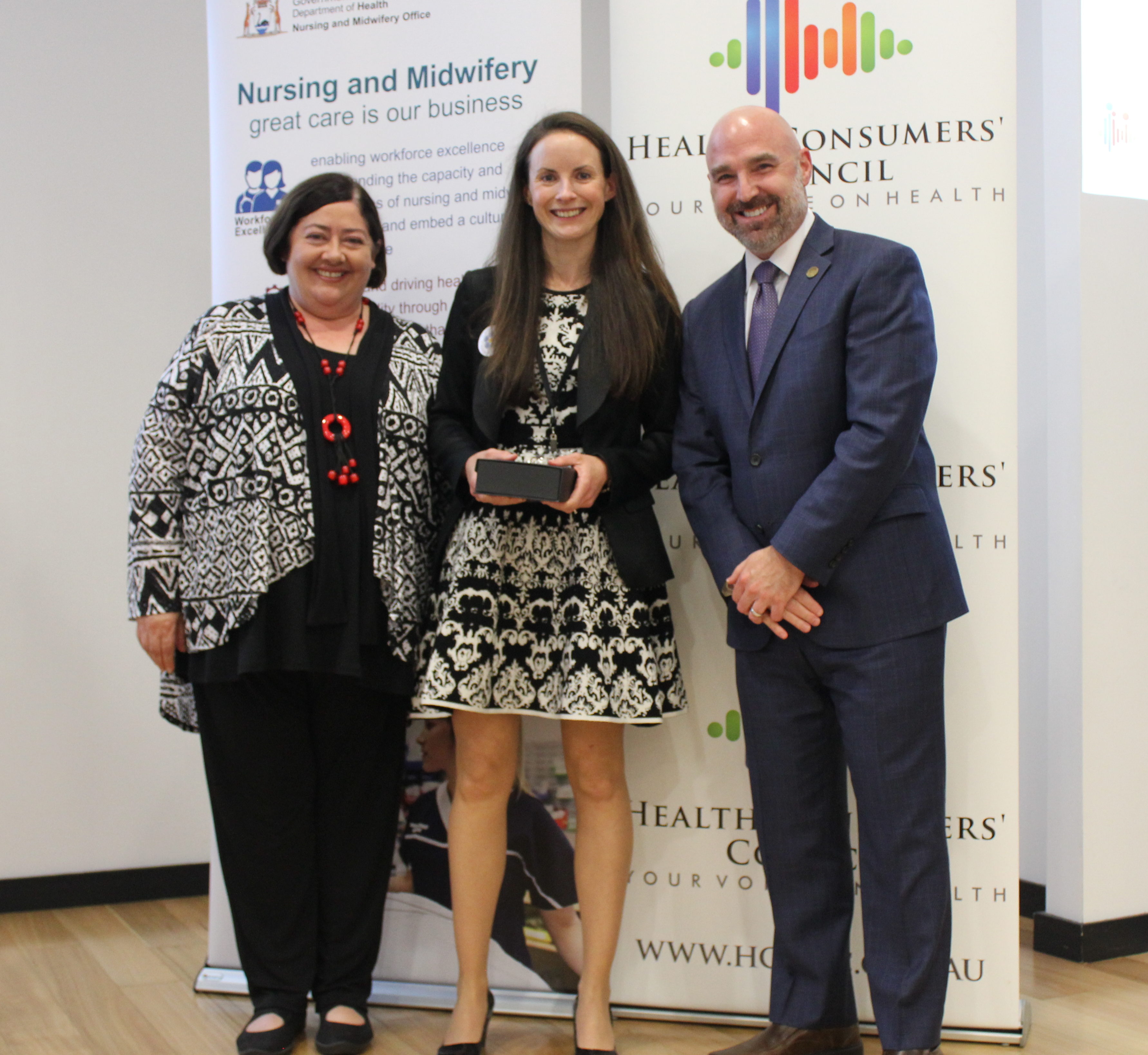
From left to right: Hon. Alanna Clohesy, Ellie Newman and Jason Wolf.

Elaine (Ellie) Newman

Ellie Newman is a Senior Medical & Aged Care Physiotherapist who has 12 years of specialist experience in Dementia care. She has worked extensively in the United Kingdom NHS system, as well as providing specialist Dementia consultation in private aged care facilities. Having moved to Perth, she is employed as a Senior Physiotherapist at Royal Perth Hospital. Currently, Ellie has been selected to lead and implement the Cognitive Impairment Project across the Royal Perth Bentley Group & East Metro Health Service, identifying a better way to care for patients with Dementia and Delirium through their healthcare journey.


Finalists are…

Clinical A/Professor Tim Bates

Clinical A/Professor Tim Bates graduated from UWA in 1996 and proceeded to complete internships and residences at Royal Perth Hospital. Thereafter he spent a year training in the United Kingdom, before completing physician training in Western Australia. As part of this training he undertook specialty training in the area of clinical lipidology with a special interest in genetic dyslipidemias and cardiac imaging. As a consultant he has held positions at Royal Perth and Swan District Hospitals before moving to the new St John Of God Midland Public and Private Hospital in 2015. Currently Clinical A/Professor Bates practises in the area of general medicine, stroke medicine and clinical lipidology. He has publications in all three areas. Outside of clinical medicine he holds adjunct status at UWA, is a member of the RACP training committee for general and acute medicine as well as the National Examination panel, as well as being the chair of basic Physician Training in WA.

 

Lorna Cook

Lorna Cook is a Registered Nurse with degrees in nursing and business. In 2013 Lorna together with Julie Adams, a specialist oncology pharmacist started an innovative company called chemo@home.  As a nurse, Lorna had seen the devastating impact cancer may have on patients and their families. She also experienced this firsthand when her mother died of a brain tumour, leaving a lasting impact on Lorna. Through these experiences, she identified the need for a more patient centred, holistic service for cancer patients.

So, when the opportunity arose to be part of a new and desperately needed service for providing chemotherapy in the patients’ own home, she jumped at the opportunity.  In just under 4 years Lorna and Julie have created a unique and highly professional health service which has helped hundreds of patients receive care in their own home and as a result have also received numerous business awards. Patients receiving their treatment at home report less side effects and readmissions to hospitals and enjoy not having to travel to hospital and having their own family close at hand. Lorna is undertaking a PhD at Edith Cowan University specifically in the care of patients receiving immunotherapy for cancer, hoping to implement new and better ways of managing side effects.

 

Dr Lee Jackson

After completing his training in general surgery, Lee Jackson then took up the position as Inaugural Breast Fellow at Royal Perth Hospital. He subsequently did oncoplastic and breast reconstructive training at the Nottingham Breast Unit in the UK. He is currently the Head of Breast services for South Metro Health service based at Fiona Stanley hospital, and is a Co-director and surgeon at Perth Specialist Breast Care based at St John of God hospital in Subiaco.
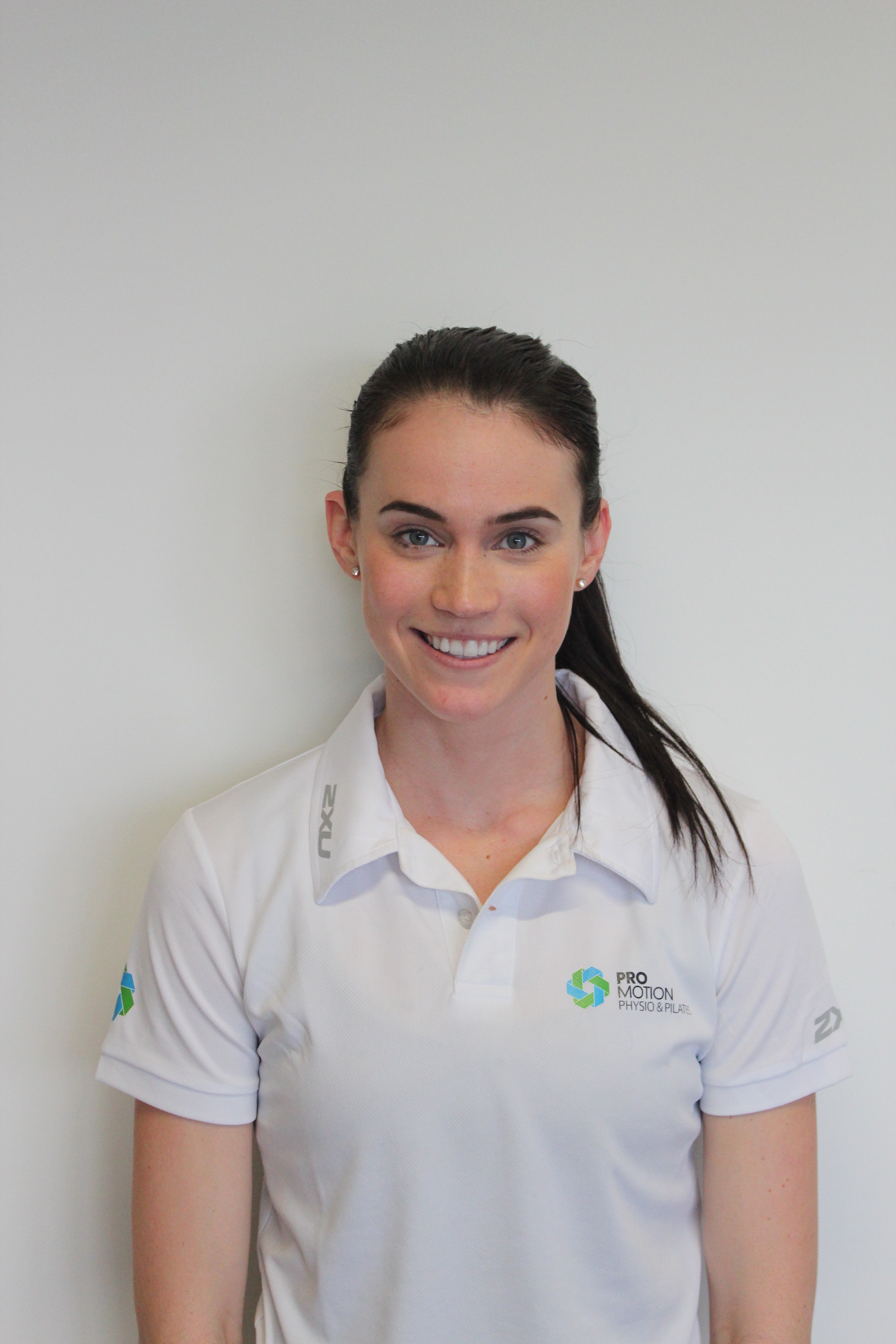
 

Meaghan Slattery

Meaghan Slattery graduated from the University of Notre Dame in 2011 with a degree in Physiotherapy and every year since, that she has spent treating people, she has fallen more and more in love with the profession. She loves the diversity of her career from Women’s Health, post-operative physio to overuse injuries and vestibular rehabilitation. Meaghan loves that she can help people for a living and this goal motivates her to learn as much as she can, from as many people as she can, so no matter who walks into her treatment room, there is a way she can assist.

She is extremely passionate about her job, the people she treats and being the best physiotherapist she can be. Meaghan is honoured by this nomination and, regardless of the outcome, this nomination makes her motivated to learn more, help more and change someone else’s life for the better.

 

Dr Aesen Thambiran

Dr Aesen Thambiran is Medical Director of the Humanitarian Entrant Health Service, North Metropolitan Health Service. He was born in South Africa and studied Medicine at UNSW. He completed postgraduate training in General Practice and worked as a GP for many years in Lockridge WA before moving into the field of refugee health.  He was previously a member of Amnesty International Australia’s National Refugee Team and was one of the founding members of the Refugee Health Network of Australia (RHeaNA). He is currently the Chair of the RACGP Refugee Health Special Interest Group and Vice-Chair of Hepatitis WA. His interests include improving health outcomes for Culturally and Linguistically Diverse (CaLD) communities, human rights and trans-cultural health care. Outside of work he enjoys spending time with his three children, cooking and listening to World music.

 

Clare Woodrow

Clare is an accredited pharmacist visiting patients in the comfort of their own home. She provides medication management, that includes; managing poly-pharmacy (multiple medications); the interpretation of pathology tests; and non-drug innovations which improve and prolong independence at home, reducing the risk of falls. In 2015 Clare recognised the need to provide referrals to support services for clients with ongoing chronic conditions, including mental health issues, to provide holistic health information. Over the past 18 months, Clare collaborated with ConnectGroups WA to set up a program for pharmacists to be able to link clients with support services. This program is now being introduced to an additional 29 Pharmacy 777 Stores.  She has completed two beginner courses in WA Auslan sign language hoping to provide better communication services to the deaf community and is very passionate about the importance of communication and accessibility of healthcare advice.
Health Organisation Award 2017

Health Organisation Award

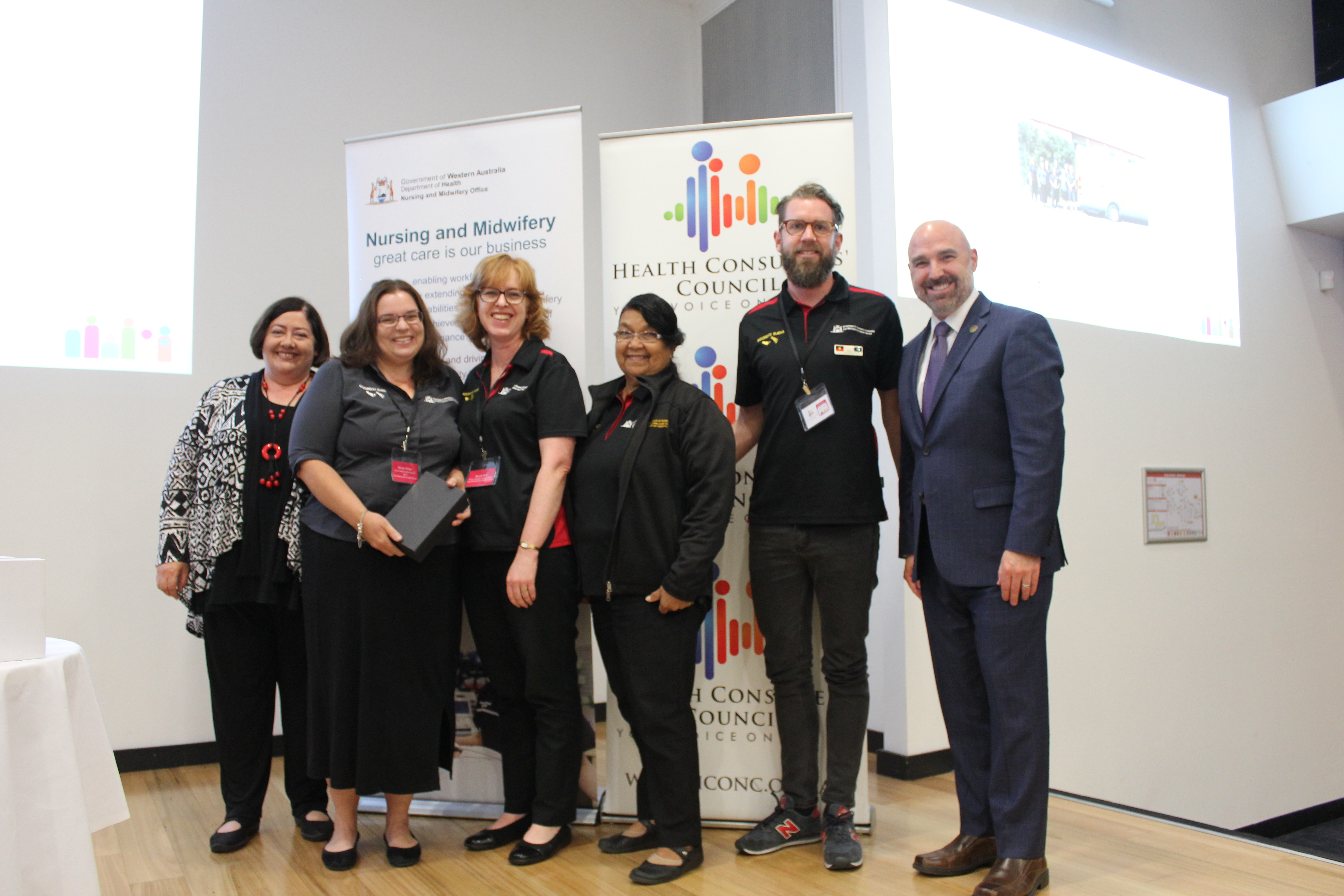
This category is for organisations working effectively with consumers to improve services. The Award recognises health organisations that demonstrate an ongoing partnership with health consumers to improve health outcomes.

And the Winner is…

Pictured from left to right: Hon. Alanna Clohesy MLC, Renae Hilder, Nicole Bell,  Susan Jetta, David Burns-Wallace and Jason Wolf.

Moorditj Djena

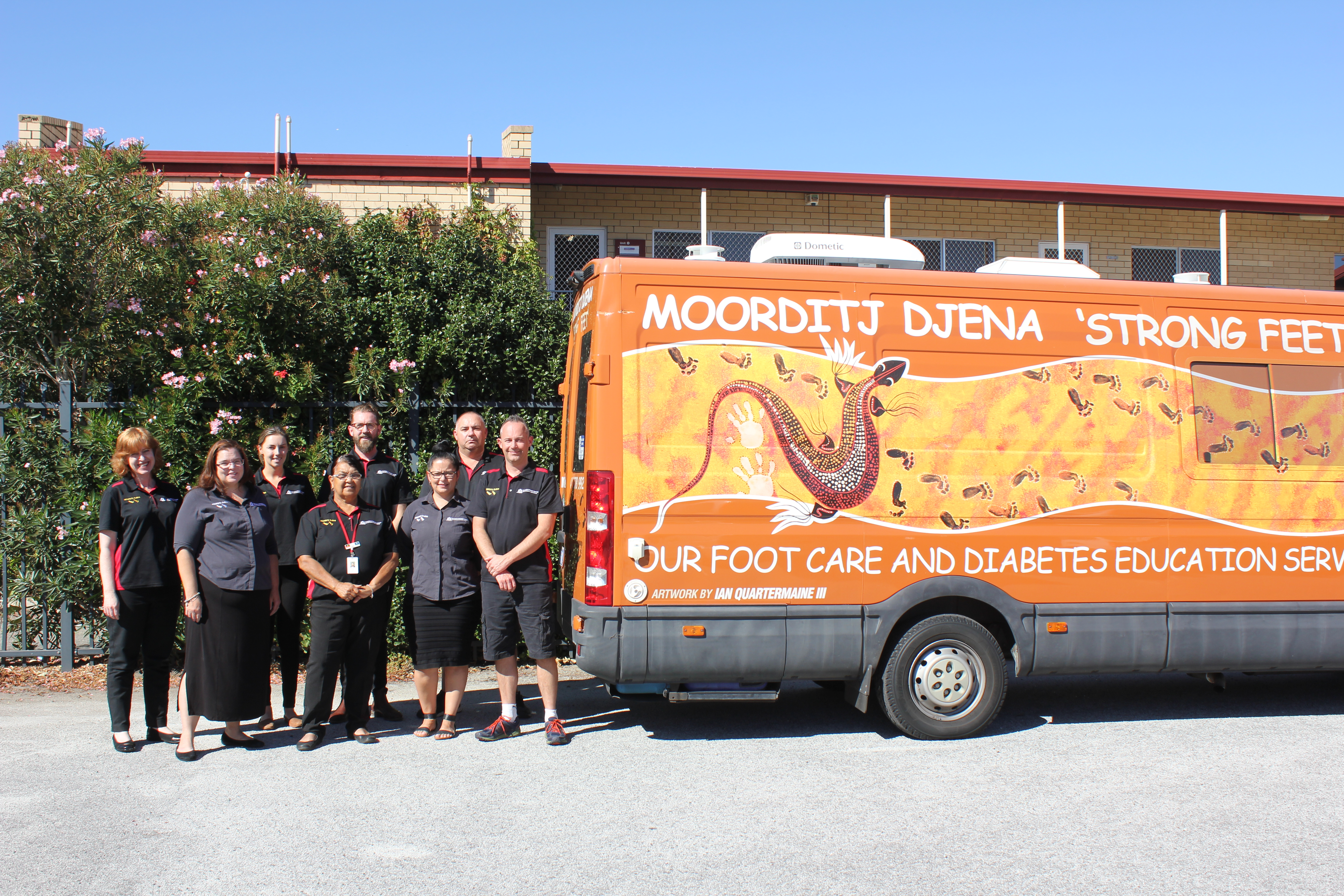
Moorditj Djena means ‘strong healthy feet’ in Noongar language.  The Moorditj Djena Program is a high-risk foot and diabetes education service for Aboriginal people which focuses on prevention and management of foot complications. Patients receive podiatry, diabetes and nutritional education services at various community clinics across the metropolitan area in a combination of community venues and using a customised mobile clinic van.  Many of the clinic locations are run in partnership with other agencies and stakeholders providing services to Aboriginal people, resulting in a shared care approach. The focus of the service is to identify and manage risk factors related to foot health and diabetes, initiate recall systems, and provide intervention and referrals relative to risk category.

The holistic model of care provides patients with the opportunity to talk to an Aboriginal Health Professional (AHP) as their first point of contact.  The AHP conducts an initial health assessment and engages with the patient about their specific health and social needs, providing culturally appropriate referrals to other specialist health and community services as required.  The patient is then referred to the Moorditj Djena Podiatrist, Diabetes Educator and/or Dietician as appropriate, for foot care treatment, diabetes education, nutrition and healthy lifestyle education and advice.  The patient participates in developing a care plan with clinicians that assists them to self-manage their chronic condition/s.

Pictured from left to right: Nicole Bell, Renae Hilder, Jessica Brimage, Susan Jetta, David Burns-Wallace,

Brooke Blore, Gerard Lockyer and Kevin Pennington. Absent: Michelle Brassington and Shanelle Marygold.

Finalists are…

  Pictured from left to right: Lorna Cook and Julie Adams

Chemo@home

In 2013, Lorna Cook and Julie Adams started an innovative company called chemo@home.

The company administers chemotherapy for cancer patients, and many other infusions patients may have to receive for chronic illnesses such as multiple sclerosis, inflammatory bowel disease and rheumatoid arthritis, in the patients’ own home.

Since opening their doors, their highly-trained chemotherapy nurses have administered in excess of 5000 treatments to patients throughout metropolitan Perth and most recently have opened their service to patients in Adelaide.  The treatments are covered by most health funds meaning no costs for private patients.

The company has received many business awards and accolades from grateful patients and their families and Lorna and Julie continue to lead the company’s growth and expansion.


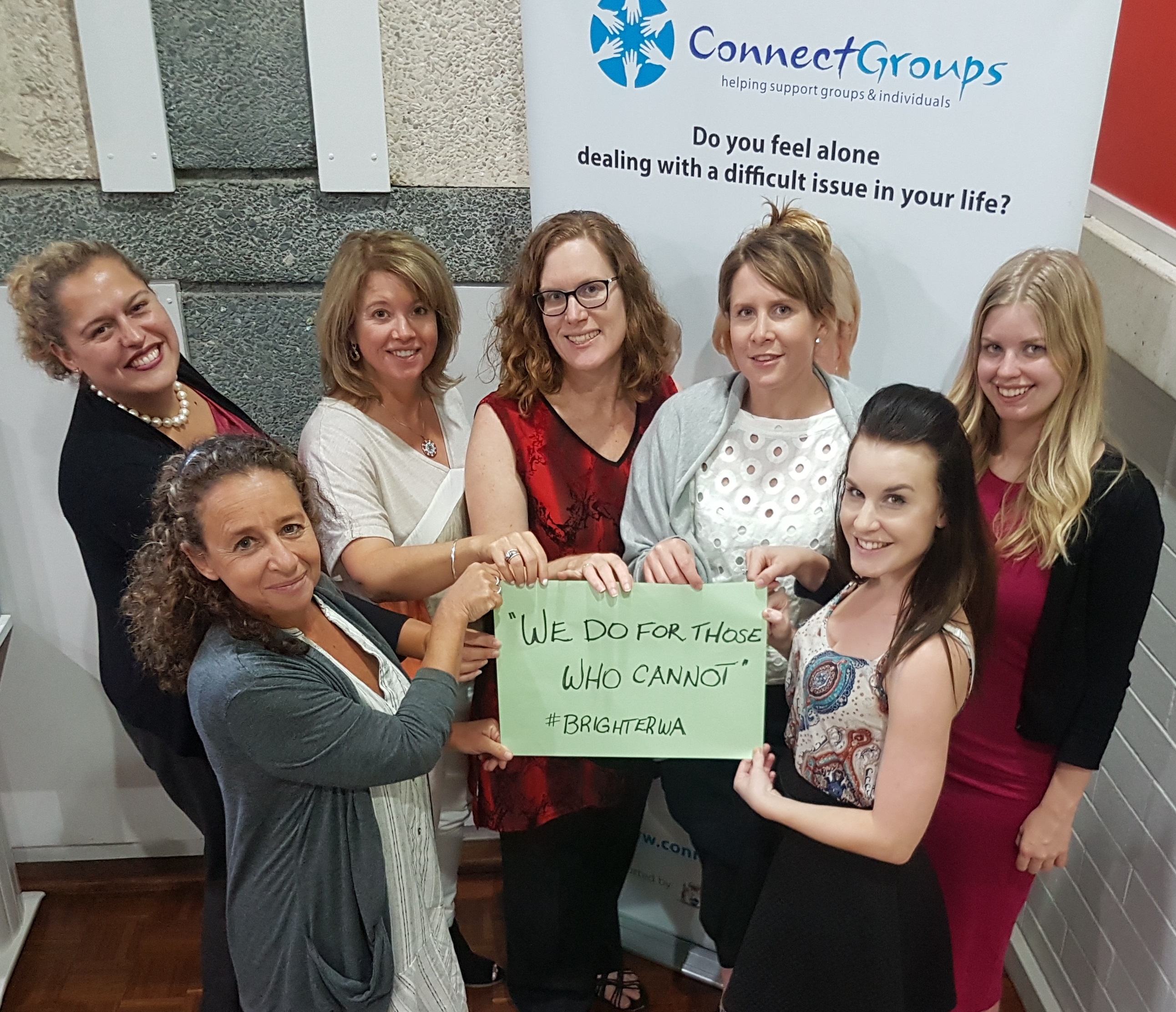
Pictured from left to right: Juanaili Hultzsch, CEO Antonella Segre, Christine Hendricks, Fiona Hughes, Georgia Booth, Amanda Muir and Danielle Kroonenburg.

ConnectGroups

ConnectGroups, established in 1983, is the peak body for peer Support Groups in WA, empowering and sustaining Self Help and Support Groups (SHSGs) through resourcing, education, training, and access to small grants. Programs are developed to advance the capacity of individuals, families and carers who are actively engaged with SHSGs. SHSGs provide peer support on a wide range of issues including chronic and genetic conditions, trauma, mental health and social challenge, and to provide a referral pathway to those individuals, families and caters as an integral part of their early intervention, prevention and recovery journey.

ConnectGroups’ ‘Live it Forward Together’ small grants program builds referral pathways and capacity-builds chronic conditions self-management Support Groups. The program provided funding to Support Groups and organisations for projects demonstrating sustainable chronic conditions self-management outcomes, and enabled SHSGs to provide better services, information, education and support to their members and to the wider community. An evaluation of the program demonstrated that over 2,000 individuals with chronic health conditions were impacted by the projects.

Pictured: Karen Stiles. Absent: Shannon Finucane.

Healthy, Well & Wise – Bentley Mental Health Services

The 12-week Healthy, Well and Wise program provides a combination of education, support and practical skills to Bentley clients. With cooking, exercise sessions and weight loss strategies all on the menu, the program is designed to encourage health living once clients return home.


Each week the program features a group leader, such as a dietitian, physiotherapist or psychologist, who cover different topics. The multi-disciplinary team approach ensures once the program is complete, each participant has the skills to be healthy, well and wise.

Health Matters Magazine

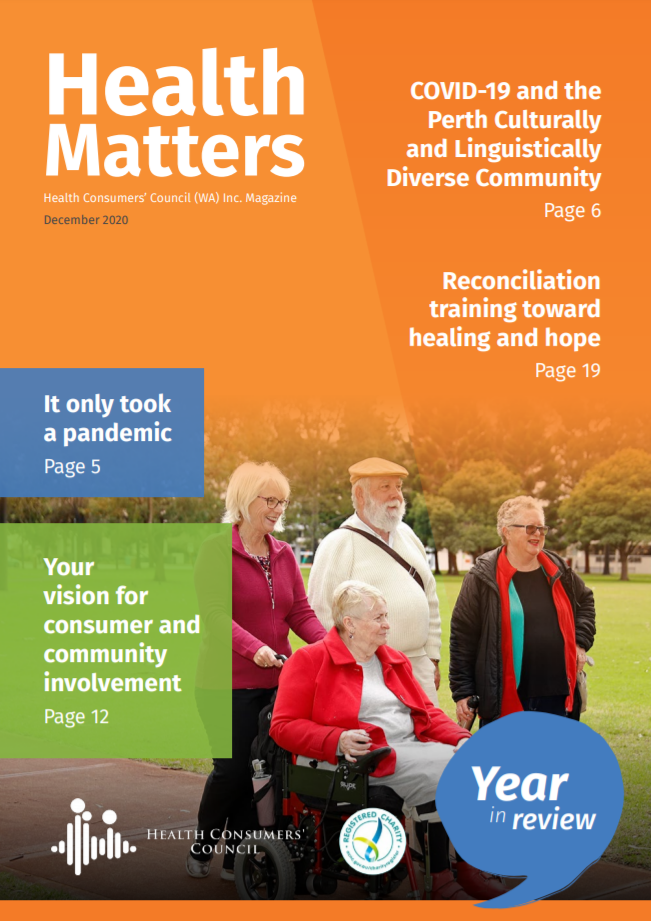
Final Edition Of Health Matters Magazine (December 2020):

The December 2020 edition of Health Matters takes a look back at the year that was, exploring some key projects and progress for 2020. Even before the global pandemic hit this was always going to be a busy year for HCC, so in this edition we also look at some of the impacts of COVID-19 on our team and our communities.

Previous Editions Of Health Matters Magazine:

Health Matters October 2020 – Engagement

Health Matters July 2020 – Self-Advocacy and Peer Support 

Health Matters March 2020 – Patient Experience

Health Matters December 2019 – Year in Review

Health Matters November 2019 – Engagement 

Health Matters August 2019 – Self Advocacy and Peer Support

Health Matters April 2019 – Patient Experience Week

Health Matters December 2018 – Celebrating People in Healthcare

Health Matters Issue 3 2018 – Culturally and Linguistically Diverse Edition

Health Matters Issue 2 2018 – Men’s Health

Health Matters Issue 1 2018 – Patient Experience Week Special Edition

Health Matters Issue 2_2017 – Womens Health

Health Matters Issue 1 2017 – Oral Health

Health Matters Issue 4 2016  – Mental Health

Health Matters Issue 3 2016 – Cancer Survivorship

Health Matters Issue 2 2016 – Your Health Information

Health Matters Summer 2016 – Patient Experience

Health Matters Spring 2015 – Outpatient Care

Health Matters Winter 2015 – Maternal & Child Health

Health Matters Autumn 2015 – End of Life Care

Health Matters Summer 2015

Health Matters Spring 2014

Health Matters Winter 2014

Health Matters Autumn 2014

Health Matters Summer 2014

Health Matters Spring 2013

Health Matters Winter 2013

(For older issues of Health Matters, please contact the Health Consumers’ Council on (08) 9221 3422 or email info@hconc.org.au.)