Healthcare should be a place where every person feels respected, listened to and involved in decisions about their care.
As Disability Pride Month wraps up, Health Consumers’ Council WA (HCCWA) celebrates the knowledge, leadership and lived experience of people with disability, and the vital role they play in creating a fairer, safer and more inclusive health system for all.
Disability Pride Month is celebrated internationally each July aiming to challenge stigma, celebrate disability identity and culture, and recognise disability as a natural part of human diversity.
For HCCWA, we also take the opportunity to reflect on an important question. How can we ensure consumer perspectives help build a healthcare system that works for everyone?
What is Disability Pride Month?
Disability Pride Month began in the United States in July 1990 to mark the passing of the Americans with Disabilities Act, landmark legislation that strengthened civil rights protections for people with disability.
One of the defining moments leading up to the legislation became known as the Capitol Crawl. In March 1990, disability activists left their wheelchairs and mobility aids to crawl up the steps of the United States Capitol, demonstrating the barriers created by inaccessible public spaces and demanding equal rights.
Since then, Disability Pride has grown into an international movement celebrating disability identity while recognising the ongoing work needed to remove barriers, challenge ableism and uphold the rights of people with disability.
Here in Western Australia, Disability Pride events continue to grow, providing opportunities for people with disability, families, allies and organisations to celebrate disability culture and advocate for a more inclusive community.
Disability is part of human diversity
For many people, disability has traditionally been viewed through a medical lens, as something that needs to be treated or fixed.
Disability Pride offers a different perspective, while some people may experience impairment, many of the challenges they face are created by barriers within society, including healthcare systems that are not designed to meet everyone’s needs.
Disability is not something to be hidden, it’s an important part of many people’s identity, culture and lived experience.
Like every community, people with disability make valuable contributions to our workplaces, families, neighbourhoods and our healthcare system.
Why Disability Pride matters in healthcare
Healthcare is one of the places where people with disability should feel safest, most respected and most empowered.
Yet many consumers continue to experience barriers that affect access to care, communication and participation in decisions about their own health.
These barriers are not always physical.
Consumers tell us they often experience:
- confusion about whether they can continue to access essential NDIS-funded supports while in hospital
- information that is difficult to understand
- appointments that are too short to meet their needs
- poor coordination between healthcare providers
- assumptions about their abilities or preferences
- communication barriers
- not being listened to or believed.
Accessible healthcare is about much more than ramps and accessible parking. It also means providing information in accessible formats, allowing enough time during appointments, offering communication supports when needed, coordinating care across services and recognising consumers as experts in their own lives.
When healthcare is designed with accessibility and inclusion in mind, everyone benefits.
Lived experience makes healthcare better
People with disability have unique knowledge about navigating the health system.
Their lived experience helps identify barriers that professionals may not see and highlights practical ways to improve healthcare.
The Disability Royal Commission reinforced the importance of listening to people with disability and removing barriers that limit participation, safety, inclusion and human rights across Australian society, including healthcare.
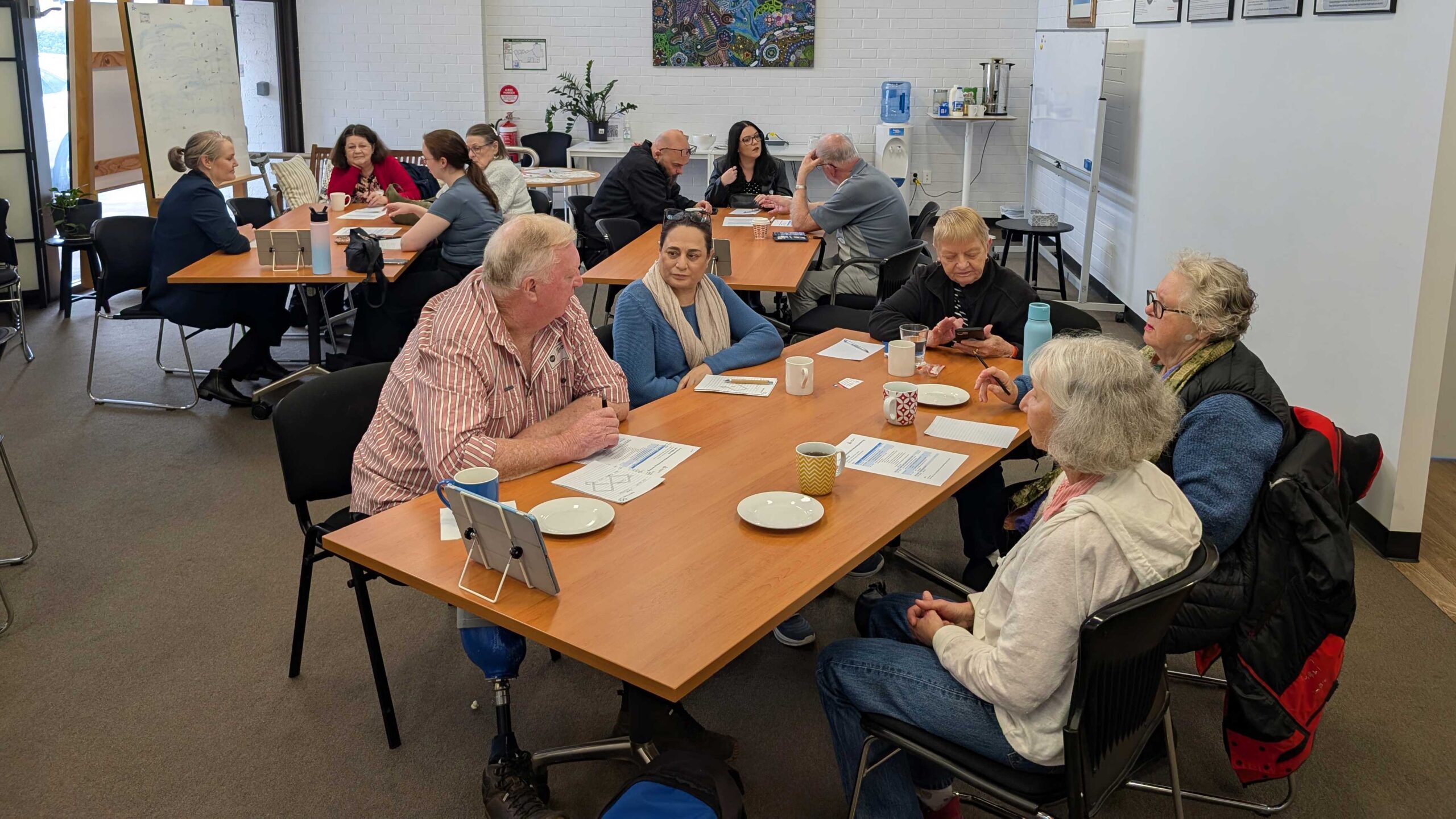
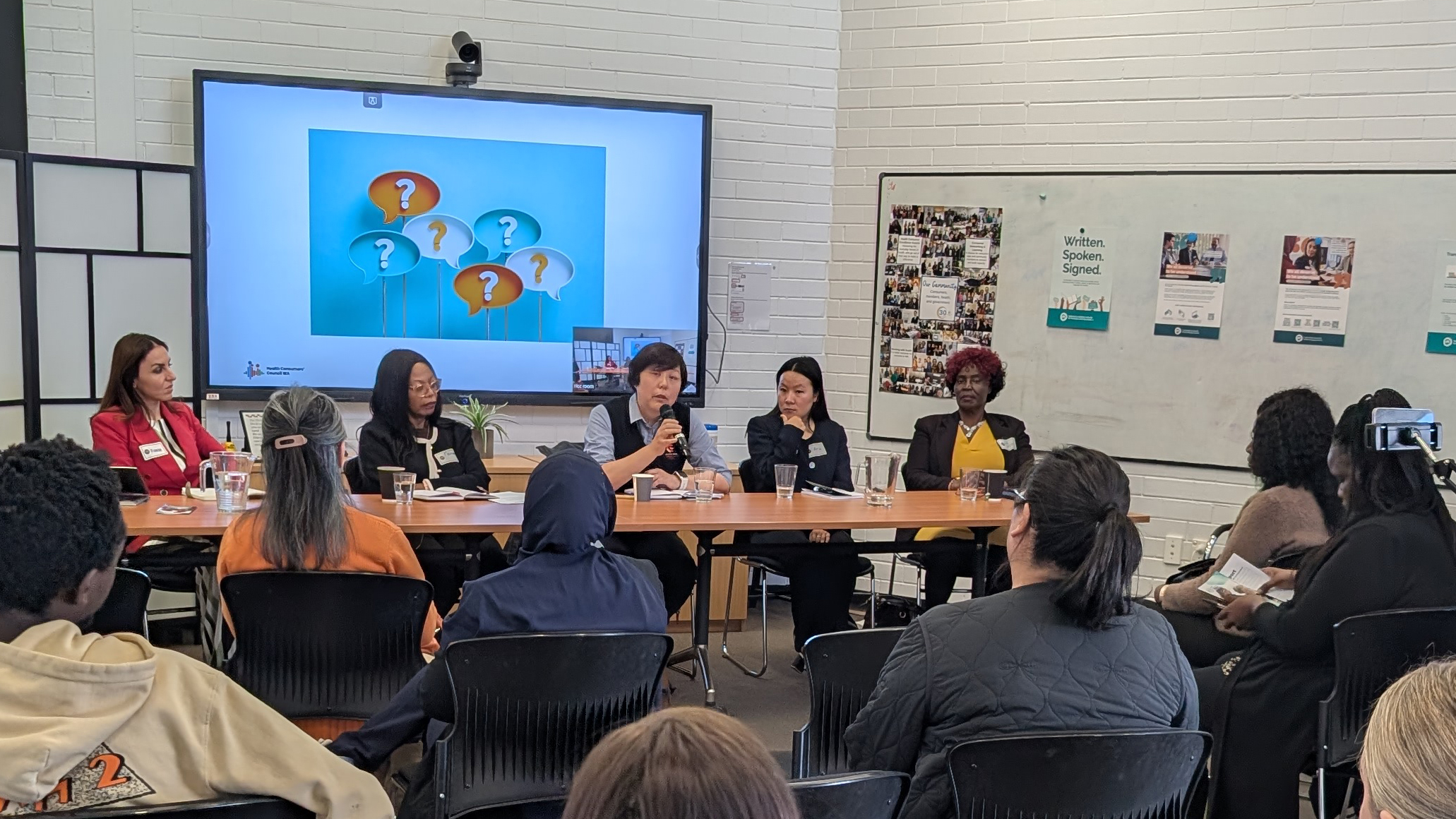
At HCCWA, we believe lived experience should inform and shape health policy, service design and quality improvement from the beginning. Consumers should not be passive recipients of healthcare, but partners in creating better healthcare.
Healthcare is a human right
Every person has the right to receive healthcare that is safe, respectful and person-centred.
The Australian Charter of Healthcare Rights states that everyone has the right to:
- be treated with dignity and respect
- receive information they can understand
- be involved in decisions about their care
- access healthcare without unnecessary barriers
- have their values, preferences and lived experience recognised.
These rights sit at the heart of HCCWA’s work.
Respecting rights means listening
Disability Pride Month comes at a time when many people with disability continue to express concerns about access to supports, participation in decision making and the protection of their rights.
While governments and policies may change, one principle should remain constant.
People with disability deserve to be respected, included and heard.
Their rights should be protected.
Their expertise should be valued.
Their voices should help shape the systems that affect their lives.
That includes healthcare.
How HCCWA works alongside people with disability
HCCWA works with people with disability to improve healthcare across Western Australia through:
- independent health advocacy
- consumer representation opportunities
- community engagement and consultation
- systemic advocacy to improve health services
- consumer training
- working with health services to improve accessibility, inclusion and person-centred care.
Our role is unique.
We support individual consumers to resolve healthcare concerns while also using lived experience to influence lasting improvements to health policy, services and decision making.
Every conversation helps identify opportunities to improve healthcare for future consumers.
How you can get involved
Disability Pride Month is an opportunity to celebrate disability, challenge barriers and support a more inclusive healthcare system.
You can:
- listen to and learn from the experiences of people with disability – including these stories of people’s experience in healthcare
- support accessible and inclusive healthcare
- encourage meaningful consumer participation
- share your lived experience if it feels safe to do so
- advocate for healthcare that respects every person’s rights.
Together, we can create a health system where people with disability are heard, believed and included as partners in their own care.
That is how we make healthcare fair for all.
Get involved with HCCWA
If you want to help improve healthcare in Western Australia, we’d love to hear from you.
You can:
- connect with our independent health advocacy service
- become a consumer representative
- join the Health Engagement Network
- participate in consultations and community engagement activities
- attend consumer training and events
- support our work to make healthcare fair for all.
Frequently asked questions
What is Disability Pride Month?
Disability Pride Month is celebrated each July. It recognises disability as a natural part of human diversity, celebrates the identity and contributions of people with disability, and challenges stigma and discrimination.
Why is Disability Pride Month important?
Disability Pride encourages society to move beyond stereotypes and recognise the rights, leadership and lived experience of people with disability. It promotes inclusion, accessibility and equal participation in all areas of life, including healthcare.
Why does Disability Pride matter in healthcare?
People with disability continue to experience barriers when accessing healthcare. Listening to lived experience helps health services improve communication, accessibility, safety and person-centred care for everyone.
What healthcare rights do people with disability have in Australia?
People with disability have the same rights as every health consumer. The Australian Charter of Healthcare Rights outlines every person's right to dignity, respect, information, partnership and participation in decisions about their healthcare.
How can people with disability improve healthcare in Western Australia?
People with disability can help shape healthcare by becoming consumer representatives, participating in consultations, sharing their lived experience, joining community engagement activities and working with organisations like HCCWA to improve health services.
Why does HCCWA support Disability Pride Month?
HCCWA believes the best healthcare is created with consumers, not just for consumers. Disability Pride Month recognises the knowledge and leadership of people with disability and highlights the importance of ensuring their voices are heard in healthcare policy, service design and decision making.