
Category: Media

Understanding Australia’s New Open Disclosure Framework: What It Means for WA Health Consumers

Everyone deserves honest, respectful communication when something goes wrong during healthcare.

By Health Consumers’ Council WA

The Australian Commission on Safety and Quality in Health Care released the updated Australian Open Disclosure Framework in June 2026. It replaces the 2014 framework and aims to support more consistent, person centred communication when a patient experiences harm or potential harm during their care.

For Health Consumers’ Council WA (HCCWA), this reflects what health consumers have consistently told us through our advocacy work. People often remember less about the clinical details of an incident than how they were treated afterwards. Being listened to, receiving a genuine apology where appropriate, and understanding what happens next can make a significant difference.

Key takeaways

  • Open disclosure is about honest, respectful communication when a patient experiences harm or potential harm during healthcare.
  • Australia’s updated Open Disclosure Framework places greater emphasis on person centred care, cultural safety and ongoing communication with patients and families.
  • Good open disclosure includes listening to the patient’s experience, explaining what happened, offering a genuine apology where appropriate, and discussing what happens next.
  • If something goes wrong during your healthcare, you should expect clear communication, opportunities to ask questions, and ongoing updates as more information becomes available.
  • HCCWA supports safer, more compassionate healthcare by advocating for consumers and working with health services to strengthen open disclosure practices.

What is open disclosure?

Open disclosure is the process of having honest, timely and respectful conversations with patients, families and carers when something goes wrong during healthcare.

It involves:

  • explaining what is known about what happened
  • acknowledging the impact of the event
  • offering an apology where appropriate
  • listening to the person’s experience and concerns
  • discussing what will happen next, including any investigations or ongoing care.

Open disclosure is based on the principle that people have a right to be informed about their healthcare. It supports safer care, helps maintain trust and encourages learning when things do not go as planned.

When should open disclosure happen?

Open disclosure should be considered whenever a patient experiences harm, or potential harm, during healthcare.

Harm is not limited to physical injury. The updated framework recognises that people may also experience psychological, emotional or social harm. Importantly, individuals may experience harm differently from how a health service defines or understands it.

This reinforces the importance of listening first, rather than assuming everyone shares the same perspective.

What has changed in the 2026 framework?

Open disclosure has been part of Australian healthcare for many years, but the updated framework places greater emphasis on:

  • person centred communication
  • cultural safety
  • restorative approaches that support healing and learning
  • recognising different experiences of harm
  • building trust through ongoing communication, rather than treating open disclosure as a single event.

The framework encourages health services to see open disclosure as more than a process to complete. It describes it as an opportunity to build respectful relationships with patients, families and carers, even during difficult circumstances.

Why this matters for consumers in Western Australia

At HCCWA, we regularly hear from people who have experienced harm during healthcare.

Through both our advocacy work and our open disclosure training with health services, we know these conversations can be challenging for everyone involved. Many clinicians may only participate in a small number of serious open disclosure conversations during their careers.

Our experience is that what matters most is not having the perfect words. It is listening carefully, responding honestly and creating space for people to ask questions, express concerns and be heard.

Open disclosure is not a one way conversation. While it involves sharing information, it is equally about understanding the patient’s experience.

People who are distressed may not remember every detail they are told. They are far more likely to remember whether they felt respected, listened to and treated with compassion.

A genuine apology can play an important role in rebuilding trust. It should be sincere, communicated in plain language and accompanied by meaningful follow up.

Trust is rarely rebuilt in a single meeting. It develops over time through ongoing communication, transparency and action.

Cultural safety must be part of the conversation

The updated framework recognises that open disclosure must be culturally safe for Aboriginal and Torres Strait Islander peoples.

It acknowledges that racism, discrimination and power imbalances can influence how people experience healthcare and whether they feel safe speaking openly.

Importantly, cultural safety is determined by the person, family or community receiving care, not by the health service.

This means services need to consider who should be involved in conversations, how information is shared and whether people feel respected, supported and safe throughout the process.

From HCCWA’s experience delivering open disclosure training, cultural safety cannot be added at the end. It needs to be considered from the beginning and embedded throughout every stage of open disclosure.

Putting these principles into practice

The updated framework provides clear principles. The challenge is putting those principles into everyday practice.

Through our work with health services, HCCWA focuses on practical skills that support meaningful open disclosure, including:

  • preparing for conversations
  • identifying who should be involved
  • communicating honestly without speculation
  • creating opportunities for patients and families to share their experience
  • providing clear follow up and updates as new information becomes available.

These practical actions often determine whether people feel genuinely supported or simply informed.

What should consumers expect after a healthcare incident?

If something goes wrong during your healthcare, you can reasonably expect:

  • honest and timely communication
  • an explanation of what is known
  • an opportunity to ask questions
  • respectful treatment throughout the process
  • ongoing updates if more information becomes available
  • information about the next steps in your care.

If you feel your concerns have not been heard, you can ask for further discussions or seek support from an independent organisation such as HCCWA.

The Australian Charter of Healthcare Rights also outlines your rights to access, safety, respect, partnership, information, privacy and the opportunity to provide feedback about your care.

What if open disclosure does not happen?

Not every healthcare incident is managed well.

If you believe open disclosure has not occurred, or you feel you have not received honest communication after an adverse event, you can:

  • ask whether an open disclosure process has been considered
  • request another meeting
  • bring a family member, friend or advocate to support you
  • write down your questions beforehand
  • ask for information in writing where appropriate
  • seek independent advice or advocacy if you need support navigating the process.

What this means for consumer representatives and advocates

The updated framework strengthens the role of consumer representatives and advocates in improving healthcare.

It provides a stronger foundation for asking whether open disclosure is being done well. This includes whether communication is timely, whether people feel listened to and whether health services follow through on their commitments.

For consumer representatives, the framework is another practical tool that can help keep the focus on people’s experiences and support improvements across the health system.

How HCCWA supports open disclosure

HCCWA has worked with health services across Western Australia to deliver open disclosure training that combines practical communication skills with the perspectives of health consumers.

Our training helps clinicians build confidence in having honest conversations after adverse events and supports organisations to strengthen their open disclosure practices.

If your organisation is looking to improve its approach to open disclosure, HCCWA can work with your service to deliver practical, consumer informed training tailored to your setting.

To learn more, contact HCCWA at tania.harris@hconc.org.au.

HCCWA advocates can also help consumers feel supported during an open disclosure process. For more information see our information for consumers: https://www.hconc.org.au/individual-advocacy/open-disclosure-when-things-go-wrong-in-healthcare/

Frequently asked questions

No. Open disclosure is about communicating openly and respectfully after something has gone wrong. Having an open disclosure conversation does not, by itself, determine legal liability.

Can I ask for open disclosure?

Yes. If you believe you have experienced harm during healthcare and open disclosure has not been offered, you can ask the health service whether an open disclosure process is appropriate.

Can I bring someone with me?

Yes. You can ask a family member, friend, carer or advocate to attend an open disclosure meeting with you for support.

Does open disclosure replace making a complaint?

No. Open disclosure and complaints are different processes. You can still make a complaint if you are unhappy with your care or with how an incident has been managed.

Learn more

Read the Australian Open Disclosure Framework on the Australian Commission on Safety and Quality in Health Care website.

You can also learn more about HCCWA’s advocacy services, consumer representation opportunities and training programs through our website.

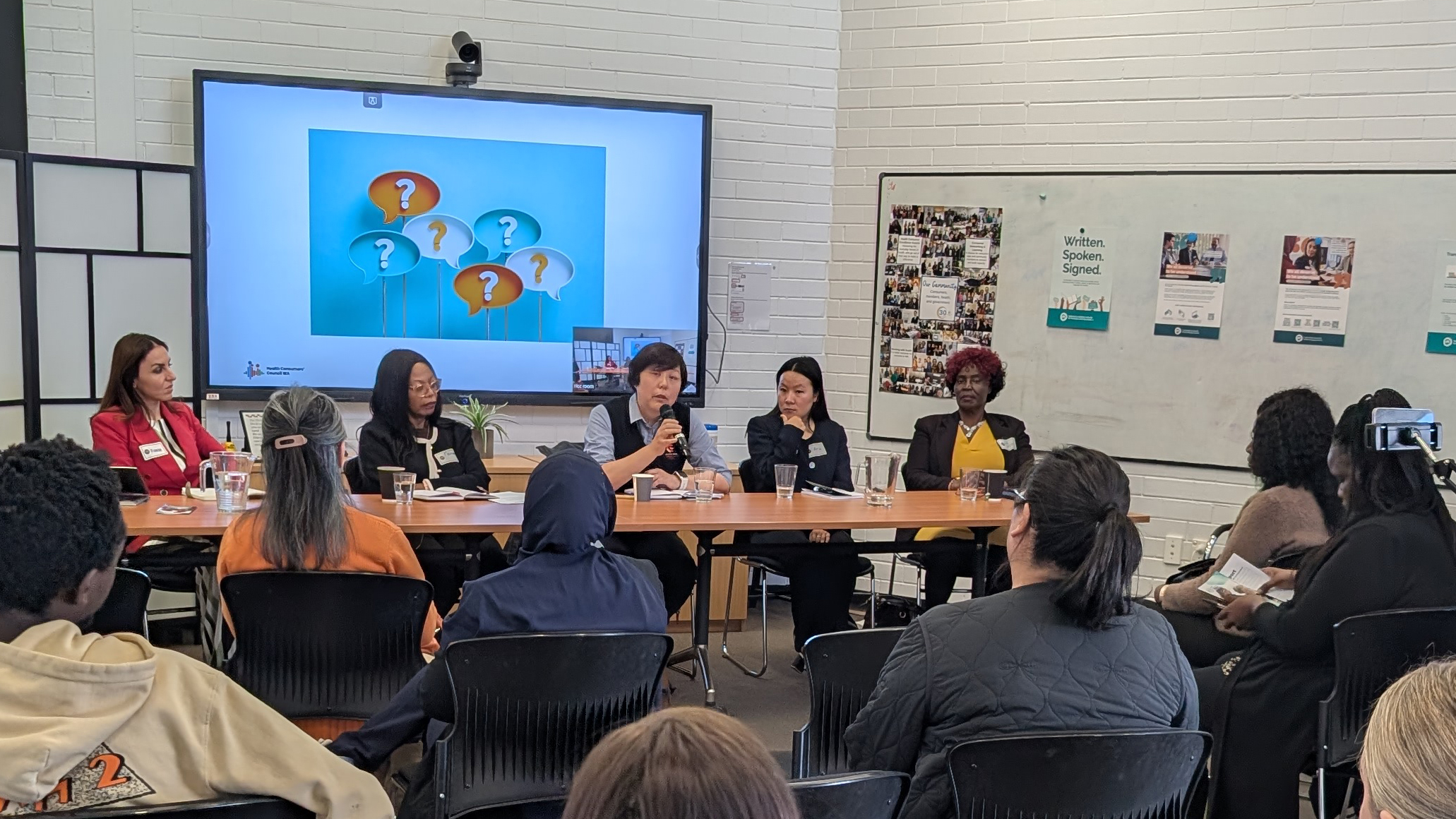
HCCWA’s Diversity Dialogues Forum 2026

Older people from multicultural communities and their access to, and experience of, healthcare

Older people from culturally and linguistically diverse communities can face significant barriers when accessing healthcare in Western Australia. These barriers extend beyond language differences and include difficulties navigating the health system, digital exclusion, transport, cultural understanding, trust, trauma, and limited awareness of available services.

To better understand these experiences, Health Consumers’ Council WA (HCCWA) convened a Diversity Dialogues forum bringing together community leaders, healthcare professionals, researchers, service providers and consumers. Participants shared lived experience, professional insights and practical examples of the challenges older people encounter when seeking healthcare and aged care.

Across diverse communities, participants consistently identified common issues. These included difficulties accessing information and services, limited cultural responsiveness within healthcare settings, challenges using digital systems such as MyGov and My Aged Care, and the importance of building trust through long-term community relationships.

The discussion also highlighted practical solutions already being implemented across Western Australia. Community-led navigation services, culturally responsive education, Care Finder programs and stronger partnerships between community organisations and health services were identified as important approaches to improving access and health outcomes.

The findings reinforce the importance of involving multicultural communities in the planning, design and delivery of healthcare services. They also demonstrate that improving equitable access requires both system-level change and ongoing collaboration with the communities most affected.

About Diversity Dialogues

Diversity Dialogues is an ongoing initiative of Health Consumers’ Council WA that brings together consumers, community organisations, healthcare providers and policymakers to explore issues affecting culturally and linguistically diverse communities.

The forums provide an opportunity to share lived experience, identify barriers to healthcare, and develop practical recommendations that can improve health services across Western Australia.

Key Findings

Read the in-depth report here.

1. Healthcare systems are often difficult to navigate

Participants described healthcare and aged care systems that can be difficult to understand, particularly for people who migrated to Australia later in life or who have limited English proficiency.

Common barriers included:

  • complex forms and eligibility processes
  • difficulty using MyGov and My Aged Care
  • limited awareness of available services
  • uncertainty about how to access support

Many participants emphasised that services may exist, but understanding how to access them remains a significant challenge.

2. Language and communication remain significant barriers

Participants discussed how language barriers affect every stage of healthcare.

Challenges included:

  • limited English proficiency
  • low literacy in any language
  • complex medical terminology
  • translated information that does not reflect cultural context
  • interpreter availability and quality

Some participants also described concerns about privacy when interpreters come from small local communities.

These communication barriers may contribute to misunderstanding, delayed care and reduced confidence in healthcare services.

3. Trust is essential for good healthcare

Many participants explained that trust strongly influences whether people seek healthcare.

Past experiences of conflict, displacement, trauma or negative interactions with institutions can influence how some older people engage with Australian healthcare services.

Participants noted that trust often develops through long-term relationships with healthcare professionals and trusted community organisations rather than through single appointments.

4. Cultural understanding influences healthcare experiences

Participants shared examples where cultural practices or expectations had been misunderstood within healthcare settings.

Examples included:

  • differing expectations about family involvement in care
  • culturally appropriate food during hospital stays
  • differing understandings of ageing and illness
  • differing expectations about consultation length

Participants suggested that greater cultural understanding could improve communication, person-centred care and consumer experience.

5. Digital exclusion is becoming a healthcare barrier

As healthcare increasingly relies on digital systems, many older consumers experience additional barriers.

Participants highlighted difficulties using:

  • MyGov
  • My Aged Care
  • online appointment systems
  • SMS verification
  • email-based communication

Without practical support, digital systems may unintentionally reduce access for older people with limited digital literacy.

6. Social isolation increases health risks

Participants described social isolation as an important contributor to poorer health outcomes.

Examples included:

  • delayed assistance following falls
  • reduced access to appointments
  • fewer opportunities to receive health information
  • increased loneliness

Community organisations highlighted the importance of regular outreach and trusted relationships to reduce isolation.

Community-led solutions

The forum highlighted several initiatives already improving access for multicultural communities across Western Australia.

These included:

  • Care Finder services
  • community health navigation
  • digital literacy programs
  • culturally responsive community education
  • seniors’ support programs
  • intergenerational community initiatives

Participants emphasised that community-led approaches help build trust and support people to navigate complex healthcare systems.

Recommendations

The discussions identified several opportunities to improve healthcare access for older people from multicultural communities.

These include:

  • Increase cultural responsiveness across health and aged care services.
  • Improve representation of culturally and linguistically diverse consumers in health service planning and decision-making.
  • Expand community-led navigation and Care Finder services.
  • Improve access to face-to-face assistance with digital health systems.
  • Increase awareness of available health and aged care services through trusted community organisations.
  • Strengthen partnerships between health services and multicultural communities.
  • Ensure culturally appropriate food, communication and care are recognised as components of quality healthcare.
  • Continue investing in community-led mental health education and culturally appropriate support.

What this means for Western Australia

The experiences shared during this forum demonstrate that improving healthcare access for older people from multicultural communities requires more than translation services alone.

Participants described the importance of trust, culturally responsive care, accessible information, community leadership and meaningful partnerships.

Many of the barriers identified are interconnected. Addressing them will require collaboration between consumers, community organisations, healthcare providers and government.

By listening to lived experience and working alongside multicultural communities, Western Australia has an opportunity to create a more equitable, accessible and person-centred health system.

It is also worthwhile considering that improvements to help older people from multicultural communities would benefit everyone in WA, for example trust, accessible information and meaningful partnerships make healthcare fair for all.

Acknowledgements

Health Consumers’ Council WA thanks the forum panellists, participants and community organisations who generously shared their knowledge, lived experience and practical insights.

The experiences documented in this report reflect the views shared during the forum and are intended to inform ongoing discussion, collaboration and continuous improvement across Western Australia’s health system.

About Health Consumers’ Council WA

Health Consumers’ Council WA is the independent peak body representing health consumers across Western Australia. HCCWA works alongside consumers, carers, communities, clinicians and policymakers to improve access, equity, safety and person-centred care across the health system.

Join our eNews and let’s make healthcare fair for all!

* indicates required

National recognition for HCCWA’s advocacy for Western Australian health consumers

Health Consumers’ Council WA recognised as a national nominated finalist for consumer advocacy

Health Consumers’ Council WA (HCCWA) is proud to have been recognised as a finalist in the 2026 Consumers’ Federation of Australia Consumer Advocacy Award.

The award recognises outstanding consumer advocacy that creates meaningful change for people across Australia. The 2026 award was presented during the Australian Competition and Consumer Commission’s National Consumer Congress in Sydney.

Congratulations to Super Consumers Australia, whose Take Your Super Back campaign received this year’s award for helping thousands of Australians affected by the Shield and First Guardian superannuation collapses understand their rights and seek compensation.

HCCWA was honoured to stand alongside nationally respected consumer organisations including CHOICE and the Owners Corporation Network and Australian Consumers Insurance Lobby.

While every organisation works in a different area of consumer advocacy, they share a common goal of ensuring people are heard, informed and treated fairly.

For HCCWA, this recognition reflects the importance of independent health consumer advocacy in Western Australia.

Every year we support people to navigate complex healthcare experiences, amplify consumer voices in policy and service design, and work alongside communities, clinicians and decision makers to improve the safety, quality and fairness of our health system.

Our advocacy is shaped by the experiences of Western Australians. Individual stories help identify broader patterns, which can lead to lasting improvements that benefit entire communities.

Being recognised alongside Australia’s leading consumer advocacy organisations reinforces the value of independent, consumer-led advocacy and encourages us to continue working towards a health system that is safe, equitable and centred on people.

We congratulate Super Consumers Australia on their well-deserved achievement and thank every consumer, carer, volunteer, consumer representative, member, partner and supporter who helps make our work possible.

Together, we can continue making healthcare fair for all.

Help shape fairer healthcare in WA

Whether you’ve shared your healthcare experience, volunteered as a consumer representative, attended one of our workshops, supported our advocacy or worked alongside us, you are part of this achievement.

If you would like to help improve healthcare in Western Australia, we’d love you to get involved.

Join our movement for fairer healthcare in WA.

Join our eNews and let’s make healthcare fair for all!

* indicates required

What Aboriginal and Torres Strait Islander consumers say makes GP care culturally safe

What is culturally safe GP care? New research from Aboriginal and Torres Strait Islander consumers

A new paper, “Towards assessment of culturally safe general practitioners: co-designing with Aboriginal and Torres Strait Islander peoples’ perspectives, the Calgary–Cambridge guide and clinical yarning”, published in the Australian Journal of Primary Health on 25 May 2026, puts Aboriginal and Torres Strait Islander consumer voices at the centre of the conversation about cultural safety in general practice.

The research was carried out in Queensland across four sites, including three Aboriginal Medical Services and one mainstream general practice, spanning regional, rural and very remote communities. A total of 131 Aboriginal and Torres Strait Islander people took part through surveys, interviews and group processes. The work was guided by an Aboriginal Community Reference Group to ensure the findings reflected community perspectives.

This research matters because cultural safety is often discussed in policy or training settings, but less often defined by consumers themselves.

What Aboriginal and Torres Strait Islander consumers said matters most

Participants were clear about what they expect from a GP consultation. The priorities people identified were not theoretical; they were grounded in what really helps people feel respected, understood and confident about their care.

The most important attributes were:

  • knowing how to diagnose and treat disease properly
  • explaining things clearly, using basic words
  • greeting people respectfully
  • not stereotyping Aboriginal people
  • listening carefully

Other highly ranked elements included recognising what matters to the patient, not interrupting, being polite and respectful, creating a welcoming environment, and providing enough time for the appointment.

These findings show that culturally safe care is not something separate from everyday practice but is built through how care is delivered and whether people feel heard and taken seriously.

What does culturally safe care look like in a GP appointment?

Consumers said they want GPs who get clinical care right, use plain language, listen without interrupting, speak respectfully and as an equal, and avoid assumptions.

Participants also described the importance of privacy, comfort, and having enough time in appointments. Cultural safety also sits in the environment, including how welcoming the service feels, whether privacy is maintained, and whether people feel comfortable in the space.

What consumers want to see change

Consumers are asking for consistent, high-quality clinical care, clear communication, genuine listening, respectful interactions, freedom from stereotyping, and adequate time, privacy and follow-up.

There was also a strong message about consent. Participants wanted control over who is involved in their care and how information is shared, including during consultations, procedures and examinations.

Participants also valued continuity of care. Seeing the same GP over time, not having to repeat their story, and having follow-up on results and referrals all contributed to feeling safe and supported.

Important findings about culture and identity

Participants had mixed views about being asked about Country, Mob or cultural identity. For some, this was helpful. For others, it was intrusive or distressing, particularly where identity had been questioned or where people were disconnected from family or community. The paper recommends allowing these conversations to develop over time, rather than making them a standard opening question.

The research also goes further in challenging routine identification processes in general practice. It highlights that asking people to identify as Aboriginal or Torres Strait Islander in a standard administrative way can create fear of stereotyping, mistrust and disengagement. It points to the need for safer systems, where identity can emerge over time through relationships and where access to supports does not depend on a process that can cause harm.

What this means for general practice

The authors recommend strengthening existing GP consultation approaches by embedding relational practices such as respectful greeting, listening and clear communication, and integrating elements of social yarning into standard practice.

The paper also challenges commonly taught approaches. It shows that practices such as asking about Country, using silence, or trying to find common ground should not be assumed to be culturally safe for everyone. These approaches need to be used carefully and in response to the individual.

Where to next

Suggested future work includes testing the proposed consultation model in real settings and developing tools to assess cultural safety from a consumer perspective. This research was conducted in specific Queensland communities, and further work is needed across different regions and communities.

Why this matters in Western Australia

This paper provides clear direction based on what Aboriginal and Torres Strait Islander consumers have said themselves.

The key message is straightforward, people want care that is clinically sound, clearly explained, respectful, and free from judgement or stereotyping.

For services, this means reviewing how care is delivered and making practical changes that reflect these expectations.

Further reading & reference

Training for healthcare professionals

The insights in this article reflect what Aboriginal and Torres Strait Islander consumers have shared with HCCWA over many years. They also inform the content of our Aboriginal Patient Advocacy Training, where we work with community workers, advocates and health professionals to turn these insights into practical skills. Visit our training and events page to register for our next training session, or contact us to find out more.

Further reading

Brumpton K, Evans R, Sen Gupta T, Ward R (2026) Towards assessment of culturally safe general practitioners: co-designing with Aboriginal and Torres Strait Islander peoples’ perspectives, the Calgary–Cambridge guide and clinical yarning. Australian Journal of Primary Health, 32, PY25245. doi:10.1071/PY25245

ABSTRACT
Background. Cultural safety is a key component of quality general practice for Aboriginal and Torres Strait Islander peoples; however, few tools exist to assess this from the patient’s perspective. This study aimed to explore the qualities of a general practitioner (GP) that support culturally safe consultations, as described by Aboriginal and Torres Strait Islander peoples, and to examine how these align with two consultation models: the Calgary–Cambridge Guide and clinical yarning. Methods. A mixed methods approach was used, including a survey, qualitative interviews and a modified nominal group technique (mNGT). Participants were Aboriginal and Torres Strait Islander peoples who had previously engaged with general practice care. Data were both described and analysed thematically. Results. In total, 131 Aboriginal and Torres Strait Islander peoples participated (70 in the survey and interview; 43 in mNGT to validate the findings; and 18 in three separate mNGTs to rate desirable attributes of a GP). Participants identified several qualities underpinning a safe GP consultation. Within the top five attributes in the mNGT were universal skills – clinical competence, avoidance of jargon and attentive listening – alongside welcoming patients with a greeting and avoiding stereotyping. Although there was strong emphasis on respectful, individualised care, preferences varied significantly, highlighting the limitations of a generic approach to consultation skills. Some findings challenged core assumptions regarding clinical yarning and elements of cultural safety training. Conclusion. We propose a refined, integrated consultation model that enhances the Calgary– Cambridge Guide with relational elements of the social yarn, particularly during initiation of the consultation. This integrated model, grounded in Aboriginal and Torres Strait Islander peoples’ perspectives yet familiar to GPs and academics, offers a promising foundation for culturally safe practice and assessment, with potential applicability across other diverse populations.

Keywords: Aboriginal and Torres Strait Islander health, Australia, Calgary–Cambridge guide, clinical yarning, cultural safety, equity, general practice, Indigenous health care.

Employment opportunities, join the team!

A great time to join HCCWA and play your part in improving health outcomes and strengthening the voice of health consumers in WA.

We have a number of opportunities to join the HCCWA team at the moment. Some of these jobs are open for recruitment now, others will come on board in the coming days. Please share these roles with people in your networks who might be great additions to the HCCWA team.

These roles have become available after some internal changes, and the availability of some fixed term funding from the WA Government.

To enquire about any of these roles, email jobs@hconc.org.au – to apply, follow the instructions for each of the jobs.

To see all the roles visit our employment page under the ‘About Us’ menu.

Individual Healthcare Advocacy Service (IHAS) Impact Update January to March 2026

Independent patient advocacy

An essential building block of clinical governance working under the radar.

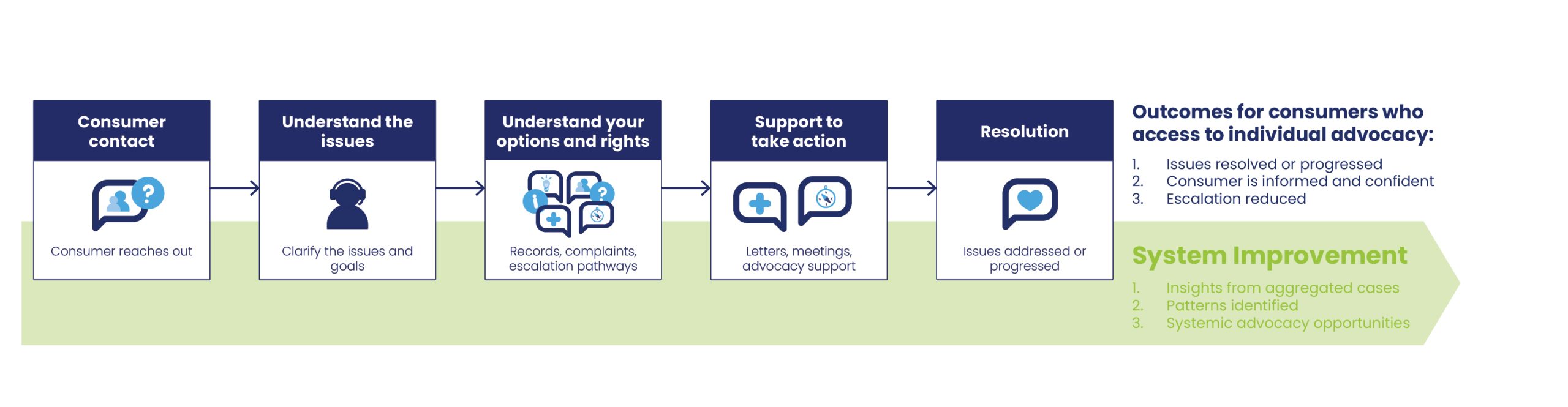
Individual health advocacy places the person at the centre of care and decision-making about their healthcare. In a busy and highly fragmented health system, independent health advocacy is a critical part of the safety and quality landscape. Health systems are stronger and safer when people are heard, respected and supported in decision-making. The ability to access independent individual advocacy support can help to restore people’s trust in the health system and rebuild their confidence to speak up in future.


Unprecedented increase in need

We are experiencing unprecedented levels of IHAS need for specifically ‘in-the-moment’ advocacy cases from Western Australians.

Category 1 cases aim to be attended to within 24 to 48 hours due to crisis or life altering impact.

January to March 2026 saw an 111% increase in Category 1 cases compared to January to March 2025.

111%

 category 1 cases


Our impact by the numbers

Enquiries to our free Individual Advocacy Service

357

Enquiries received from Western Australians Jan to Mar 2026

Increase in enquiries to our service

23%

Percent increase in enquiries Jan to Mar 2025 v.s. Jan to Mar 2026

Voluntary mental health advocacy need

63%

Increase in mental health cases Jan to Mar 2025 v.s. Jan to Mar 2026

CaLD Cases

36%

Increase in cases for CaLD cases Jan to Mar 2025 v.s. Jan to Mar 2026

Referrals from MHAS and HaDSCO Jan to Mar 2026

31%

Referrals from the the Mental HaDSCO and MHAS

Individual Advocate funding

4.8

We can currently fund only 4.8 F.T.E. Individual Healthcare Advocates.


WA leads Australia

Since the 1990s, the WA Government has demonstrated strong leadership by funding Health Consumers’ Council WA (HCCWA) to deliver a free, person-centred and rights-based service across all areas of health and healthcare. This longstanding investment reflects commitment to a community-led model that restores hope, confidence and power to consumers navigating a complex health.

What is independent individual health advocacy in WA?

Skilled independent patient advocates at HCCWA provide one to one support to a wide range of consumers who need support to have their voices heard, or to get answers when things have gone wrong.

HCCWA provides this support

  • across the state
  • across all areas of health and healthcare (including voluntary mental health patients)
  • across all healthcare settings (public, private, primary, hospital, community)

Individual advocacy impact

  • Upholds people’s health rights
  • Enables dialogue between patients and clinicians
  • Helps to repairs relationships between patients and caregivers where they’ve ruptured
  • Provides solidarity and encouragement
  • Restores power and confidence that has been diminished by a large and complex system
  • Enables redress where things have gone wrong
  • Saves lives

Independent advocacy provides hope to people at their most vulnerable moments.


HCCWA’s Individual Healthcare Advocacy Service Case Studies

Challenging an unjust $1 million medical bill for a family in distress and holding powerful companies to account

A family coming to Australia to live took out the appropriate level of private health insurance for their visa. Unfortunately, the family needed to access a high level of healthcare. While receiving treatment, the family received a call from their insurance company offering them a different policy with a lower premium, to which they agreed. English is not their first language, and no interpreter was offered. This new policy did not cover the care they were receiving, and so the family became liable for a very significant healthcare bill (over $1m). Our Advocate worked with the family and represented them to the insurance company with the result being that the insurance company agreed to pay the healthcare bill.

Advocate intervention addresses a case of unjust billing

An overseas student was billed for a long GP consultation after a brief visit that lasted around 10 to 12 minutes and included a same day referral to a specialist. The higher charge was more than $100 above a standard consultation and could not be claimed through Medicare due to the patient’s visa status, with private health cover already exhausted. After the patient’s attempts to dispute the charge were unsuccessful, our advocate intervened, referencing the correct billing item requirements. Following several communications, the practice acknowledged the error and rectified the account.

End-of-life choice upheld during fast changing circumstances

“HCCWA was contacted by a family who were concerned that their relative’s rapid health decline was not being adequately recognised and responded to during a hospital admission for abdominal pain. The consumer was subsequently diagnosed with a terminal illness. The consumer decided to access Voluntary Assisted Dying (VAD). Given the conditions that need to be met to remain eligible for VAD, and the consumer’s rapidly declining condition, this case was instantly escalated within our advocacy service. The advocate supported the consumer to seek appropriate and timely clinical reviews, clarify decision-making pathways, and uphold their right to seek and receive clear information. HCCWA’s ability to act quickly ensured the consumer’s preferences, rights, and capacity were prioritised at a critical time.

Restoring quality of life after insisting on surgery review and redress

young man in his early 20s with significant and lifelong disability contacted HCCWA after experiencing escalating pain from a complication following surgery. The procedure differed from what had been discussed and consented to, and post-operative follow up outpatient appointment was not provided. Several GP visits, 2 ED visits and four months later, he still had not received post operative follow up and so remained in severe pain; struggling to access appropriate pain management and unable to resume university study or daily life. HCCWA supported him to understand his rights, be heard within the system, and access urgent post operative review by the surgeon and consider complaint or redress pathways if he chooses. He was admitted for surgery 1 working day after our Advocate spoke with the surgeon.


Western Australians who have used Health Consumer’ Council WA’s FREE Individual Healthcare Advocacy Service (IHAS) say:

“She honestly went above and beyond to help me and make sure I understood everything. Also beautiful and caring as well. ”

“Thank you so much for talking with [clinical specialist] and for helping me prep for my consultation with my doctor and attending with me and writing and sending out the notes. I keep referring back to them as I am trying to fill out the paperwork and pay the fees as I get little blips of panic and they are calming and grounding me massively and that’s allowing me room to actually feel excitement about being on the other side of surgery.“

“Thank you so much for all your help and support in this matter. You truly are amazing and very helpful. It is not often these days you find people that go above and beyond to help you and you truly have so thank you so very much from the bottom of my heart.”

“My advocate was excellent in all areas from knowledge, communication and care to me at all times.”

“Thankyou so much for your time today, I called the right person and I appreciate your help and compassion in a free service too, makes me very grateful I’ve got you and your organisation to lean on for support if I need.”

“Many thanks for all of your support – It has been such a help for me as I was truly so overwhelmed I was unable to do anything and it was impacting my wellbeing tremendously. I cannot thank you enough!!”

“Not only did she guide me in the right direction, she also gave me words of moral support and definitely gave me the confidence to continue the tasks at hand.”


Community led, government funded

A powerful partnership that established Australia’s first independent health advocacy service
In 1993, the then Minister for Health offered health consumer leaders the opportunity to set up a non-profit organisation to act as an independent voice for health consumers on all aspects of health and healthcare. The intent had been to advocate at a systemic level for the rights and interests of health consumers, patients and families. Yet when this new organisation was featured in the media, the small team were inundated with requests for help from people who needed answers from the health system about individual issues. And so, those staff started to deliver individual health advocacy “because they couldn’t not”.

Increased investment is now required to ensure this “under the radar” service can continue to be there for every day West Aussies

We are in discussions with WA Health about the future of this ground-breaking initiative. After 3 decades, the investment in this service has not kept pace with demand, or with the increased complexity of people’s experiences in healthcare.

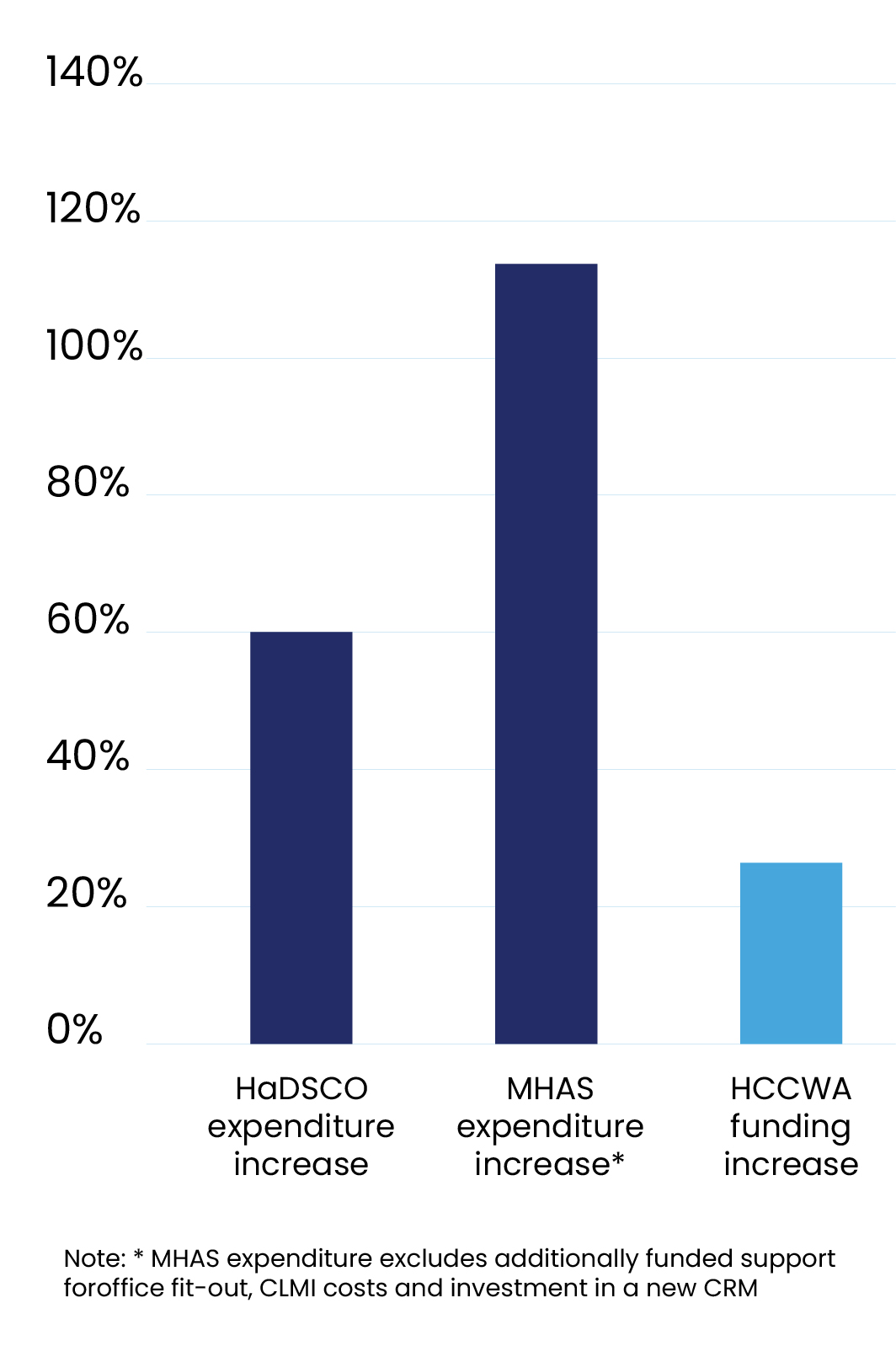
Since the HCCWA budget was last reviewed in 2014, WA Health’s budget has increased by 74%, MHAS expenditure has increased by over 110%, but investment in HCCWA’s capacity has only increased by CPI (27%).

We will be seeking support for a budget business case to ensure that this Australia-first program can continue to play its part in the continuous improvement of the health system, and ensure that Western Australians can continue to be heard, respected and supported.

As a minimum, we want to be able to be there for anyone who is involved in a serious clinical incident WA. We estimate that this requires an increased annual investment of $1.9m.

Shifting the dial on patient safety – on-site patient advocates, strengthening consumer voices

Internationally, evidence suggests that approximately 10% of healthcare causes harm. One contributor to this is patients and families being dismissed when raising concerns in a clinical setting.
In a busy healthcare setting, patient concerns can go unheard. We believe on-site patient advocates – independent of the WA Health system – would significantly strengthen patient and family voices, enabling their voices to be heard alongside the clinical experts.

This would require a significant phased investment and we would welcome the opportunity to be involved in shaping how this might look for WA.


For further information about this report please contact Health Consumers Council WA on 08 9221 3422 or info@hconc.og.au

To discuss any of the content, please contact Clare Mullen, Executive Director at CEO@hconc.org.au

Initial reaction to the WA State Budget

This week the WA State Budget was handed down, with the government identifying jobs, health, and housing as key priorities.

Health Consumers’ Council WA attended the annual State Budget lockup and briefing, where the Premier and Treasurer outlined the government’s plans for the year ahead.

Overall, this is a significant budget for health.

There is major investment in health infrastructure, continued funding linked to winter demand, and initiatives focused on helping people stay well, including immunisation measures.

We also welcome investment in the Mental Health Advocacy Service (MHAS), with funding expected to increase by around 30% next year alongside expanded responsibilities. However, there was no reference to funding for other health advocacy services – a missed opportunity to ensure patients are being listened to when it matters most.

At the same time, there are important questions about what this budget will mean for people actually using the health system.

One ongoing concern is the cost of accessing care.

While our public hospitals are free, many people continue to face significant out-of-pocket costs just to attend appointments or support loved ones in hospital. Hospital parking remains a major pressure point for consumers and carers, particularly for people attending regularly or over long periods of time.

We were disappointed to see no cost-of-living relief measures related to hospital parking included in this budget.

Another major issue is outpatient wait times.

Official figures presented in the budget papers indicate that some consumers are continuing to wait beyond recommended clinical timeframes for outpatient appointments:

  • around 10% of Category 3 outpatient referrals are waiting more than one year
  • around 20% of Category 1 referrals are waiting beyond recommended timeframes

According to WA Health the category definitions are:

  • Category 1 – Urgent: Within 30 days (potential to deteriorate quickly)
  • Category 2 – Semi-urgent: Within 90 days (causes pain/dysfunction, low risk of rapid deterioration)
  • Category 3 – Non-urgent: Within 365 days (causes pain/dysfunction, unlikely to deteriorate)

These categories reflect clinical urgency, but lower urgency categories may still involve significant pain, reduced quality of life, or functional impacts for consumers while waiting for care.

While there is some additional funding for outpatient services, the increase in outpatient staffing appears relatively small.

These numbers matter because being referred as a lower category does not mean a condition is unimportant or that people are not suffering while they wait.

As recent media reporting has highlighted, delays can have a significant impact on people’s health, wellbeing, finances, and quality of life.

We will continue to review the budget in detail over the coming days and share further analysis focused on what these investments mean for health consumers across WA.


Video Transcript 1: Clare Mullen fronts the Press outside of Dumas House

Hello, I’m Clare Mullen from Health Consumers’ Council WA.

We’re the peak body for people who use health services, the patients, the families, the carers.

I’ll start by saying it’s obviously a great budget for health and we’re going to be watching and seeing what that means for the people who use healthcare.

So first up, obviously, the significant investment in health infrastructure very welcome as the state grows.

Some questions remain, however, about the experience of people when they’re in those hospitals.

2 fronts. 1 is a great opportunity missed, I think, which is the opportunity to really address cost of living and health infrastructure by, for example, a bold move that could have been done, which would be to make hospital parking free or low cost.

We know that that is a huge impost on people who are using health services everyday.

The second area is that the budget figures say that people who are referred to hospital for outpatients.

At the moment, 10% of people are waiting over a year for their appointment and 20% of people who have been referred for urgent referrals are waiting longer than they should.

And yet the investment in outpatients seems to be very small.

And so for most people, when they use hospitals, it will be outpatients that they use.

So we’d like to perhaps have seen a greater investment there.

And the third area, which we’d love to see more, more and more people are using health services.

That’s why we’re seeing a huge investment.

But unfortunately, all too often we know that when people speak up about their health care, when they’ve got concerns or questions, they go unheard.

And what we know is that that can sometimes have catastrophic consequences.

We would love to have seen an investment in individual advocacy services that can support people’s voices to be heard and to be part of their healthcare journey so that we can avoid people having experiences where, had they been listened to, they would have had a more positive outcome.

So overall a great budget for health and we’re looking forward to seeing how that will translate into an experience for people on the ground.

Is it enough given so much of its long term, is it enough to make a difference this winter?

I would say that it is great to see the investment in the winter strategy and we have been doing a survey of consumers about what they intend to do and it’s really interesting to see that most people do intend to get vaccinated, most people do intend to do take action to stay well.

So I think it is encouraging to have seen the investment in increasing immunisation, in increasing access to other parts of the health services.

But time will tell.

And I think the opportunity that potentially is there is to involve the community in conversations about how to get the message out.

We can all do things as community members to stay well.

And I think that there’s more that can be done to help get that message into community.

Thank you. Thanks.

Video Transcript 2: Clare Mullen, Executive Director

“So I have just left the annual state budget lockup, which is where you hear from the Premier and the Treasurer and then you get locked in a room for a number of hours.

So headlines obviously as had already been trailed, this is a really big budget for health.

The priorities that were being restated are jobs, health and housing.

In terms of great things, obviously a lot of investment in health infrastructure, some known investment again in the winter strategy.

So there’s a bit in there about helping people stay well, immunisation, that sort of thing.

In terms of missed opportunities, there’s no reference in there to cost of living relief around the cost of hospital parking.

So there’s a lot of investment in infrastructure.

But unfortunately, as many of us know, going to the hospital on a regular basis can pretty much have you out of pocket hundreds of dollars.

So we raised that point and we’d hope to see something like that in future years.

Great to see investment in the mental health advocacy service.

So the cost there are going to go up by about 30% next year.

Some of that related to them also taking on new services.

But again a missed opportunity is the rest of WAS individual health advocacy service, no mention of that and so we can only assume that it’s not covered.

Finally, there was some official statistics in there that say that if you’re referred for an outpatient’s appointment at the moment, you can expect 10% of people are waiting over a year for a category 3 and 20% of people are waiting beyond the recommended wait times for the most serious of referrals. That’s the CAT1.

Unfortunately, while there’s a small increase in the budget for outpatients, only a really small increase in outpatient staffing.

So it’ll be really interesting to see what the government’s plans are to make a significant difference to that because as recent media has shown, even if you’re referred for a category three, it doesn’t mean that it’s not serious, it doesn’t mean that it’s not important.

And we really want to see those numbers improve dramatically.

So overall, a good budget for health and the impact on the consumers experiencing the health system, We will wait and see.

Health Consumers’ Council WA Systemic Advocacy Report

Systemic Update January to March 2026

Health Consumers’ Council WA’s latest Systemic Advocacy Report highlights how consumer and community voices are helping shape health policy, services, and system reform across Western Australia. Covering January to March 2026, the report outlines HCCWA’s work across preventative health, referral pathways, consumer engagement, rural access, Aboriginal health, mental health, and informed decision making.

During this period, HCCWA contributed to policy submissions, Ministerial roundtables, committee governance reviews, and national reform discussions, while continuing to bring lived experience perspectives into high level decision making. The report also highlights advocacy on outpatient access, informed financial consent, consumer rights, and the need for more inclusive and community-led approaches across the health system.

The report reflects HCCWA’s ongoing commitment to ensuring healthcare policy and reform are shaped by the experiences of patients, carers, families, and communities across WA.

Acknowledgements

We acknowledge Aboriginal and Torres Strait Islander peoples and communities as the Traditional Custodians of the land we work on, specifically the Whadjuk people of the Noongar nation, and pay our respects to Elders past, present, and emerging. Australia always was and always will be Aboriginal land.

Health Consumers’ Council acknowledges the unique insights and strength of those who navigate the complexities of the health system as consumers and thank them for sharing their lived experience and wisdom to help make healthcare fair for everyone.


Contents


Introduction

In this report we provide our members, friends and stakeholders with an update on how we’re amplifying and championing diverse consumer and community interests to help drive positive change across the health and social care sectors in WA.

Systemic advocacy at a glance – Q1 2026

During this period, HCCWA continued to influence policy, strengthen partnerships, and elevate consumer and community voices across the health system.

Our reach and engagement

  • Contributed to 5+ policy submissions and strategic consultations
  • Engaged with state and national government agencies, Ministers and MPs
  • Participated in 10+ committees, advisory groups, and sector forums
  • Delivered 3 sector presentations and panel contributions
  • Contributed to media coverage on key consumer health issues

Key areas of influence

  • Preventative health policy and whole-of-government approaches
  • Access to care, including referral pathways and rural primary care
  • Consumer engagement and lived experience in system design and governance
  • Equity in health care, including Aboriginal health and community-led approaches
  • Transparency and informed decision making for consumers

Highlights from this period

  • Provided strategic input to the WA Department of Health Capability Review, strengthening the focus on consumer and community partnership
  • Contributed to national policy discussions on modernising referral pathways, advocating for improved access, transparency, and informed choice
  • Supported Ministerial roundtables on preventative health, bringing forward consumer priorities including early years, social determinants, and community-led approaches
  • Facilitated engagement between Aboriginal Elders and the Minister for Health and Mental Health, elevating community perspectives on research and program design
  • Shared insights across sectors, including presentations to the WA Country Health Service and the Community Relief and Resilience Network

This work reflects HCCWA’s ongoing role in ensuring that consumer and community voices inform policy, shape services and contribute to a more equitable and responsive health system.

How systemic advocacy is organised at HCCWA

This period we said farewell to Bronwyn Ife, HCCWA’s Systemic Advocacy Lead, who returned to a role in local government. As the fixed term funding that covered the Systemic Advocacy Lead role is not ongoing we will not be replacing that role. Due to funding constraints, HCCWA’s systemic advocacy work is undertaken by members of the Leadership team alongside their other responsibilities.

Do you find this information valuable?

This is a new publication for us, and we’d welcome feedback – what is helpful/interesting? What is not?! Let us know by emailing us at engagement@hconc.org.au

Key meetings and engagements this period

This period we took part in 75 meetings and engagement activities promoting health consumer interests.

System influence and policy engagement

  • Provided advice to WA Health on consumer engagement in women’s health service commissioning
  • Attended five preventative health Ministerial roundtables
  • Engaged with MPs and Ministers and their teams to contribute to policy discussions

Partnerships and sector collaboration

  • Met with Healthway’s new Executive Director
  • Connected with national health consumer peak organisations to share insights and approaches
  • Met with Health Consumers Queensland to inform advocacy on prison health

Community engagement

  • Supported consultation with Aboriginal families on the Thriving Kids initiative

Priority advocacy areas

  • Worked with sector partners to address rural access to affordable primary care
  • Participated in the AHPRA Community Advisory Council visit to WA

Submissions and strategic policy advice

Department of Health Agency Capability Review

Public Sector Commission

HCCWA was approached as a key stakeholder to provide input to inform the Capability Review of the WA Department of Health. These reviews are carried out by the WA Public Sector Commission as “a permanent, ongoing mechanism to lift the capability of the public sector and drive performance improvement”. HCCWA’s feedback covered WA Health’s approach to partnering with consumers and the community.

Dental Board of Australia – Specialist titles

Dental Board of Australia (Ahpra)

HCCWA was approached for preliminary feedback about proposals to review specialist titles in dentistry. HCCWA’s feedback was:

  • The language and formatting of these consultation materials is very complicated and likely to be challenging for most consumers/community members – unless they’re very experienced consumer representatives, or work for a consumer organisation.
  • This is a very important topic – we know that some of the harm that’s been experienced by consumers in recent high profile cases is due to the lack of clarity about the different abilities of general dentists and prosthodontists
  • Ahpra and the Dental Board should seek targeted input from consumers across the country
  • Attention should also be paid to how consumers are informed about these distinctions, how consumers can be sure they’re being treated by someone with the appropriate skill level and qualifications, and how they can make informed choices about which health professional they choose to be treated by.

Palliative Care WA Budget Submission

  • We highlighted the benefits of hospices and the important role they can play in supporting patients and families both in the community as people live with life-limiting conditions, and at end of life.
  • We highlighted the importance and value of the Compassionate Communities approach, including the evidence about their value in reducing hospital use from the South West: research from 2023 showed lower hospitalisations, less hospital days/month, and less emergency presentations https://journals.sagepub.com/doi/epub/10.1177/26323524231205323)

Modernising Referral Pathways

Australian Department of Health, Disability and Ageing

This consultation sought the views of patients, medical providers and other interested parties on whether current Medicare referral arrangements are effectively supporting access to specialist care. It also seeks views on suggestions for reform.

HCCWA provided this feedback:

  • The current referral process does not make it easy for patients to access specialist care
  • Including cost information and links to Medical Costs Finder on referrals would help patients make more informed financial decisions
  • Patients should be able to switch specialists under the same referral without needing a new referral
  • Our GPs should be kept informed about our treatment with the specialist throughout the duration of the referral – if that is what we want
  • The lack of information available to consumers to make truly informed decisions about their preferred referral options could be a barrier to the take up of an Australia-wide digital referral process.
  • There is almost no information consumers can use to determine the quality of care they might receive for any particular clinicians. For communities who are often served by overseas trained doctors, their treating doctor may not have any knowledge or pre-existing relationships with other clinicians to inform their recommendation.
  • This could be addressed by requiring clinicians to publish information about any complaints they receive (noting that not all consumers have the emotional energy to go through the administratively heavy Ahpra notification process). Or to strengthen the Ahpra annual registration process to require evidence of consumer feedback in some way. While google reviews may be inadequate, they are sometimes the only publicly available information for consumers to use as they try to make an informed decision.
  • It is important that consumers are able to access neutral information about things to consider when looking for a specialist. The “service” is highly technical, and the “market” is diffuse and confusing to navigate. There’s a risk that “good bedside manner” could become the standard for decision making in the absence of consumers being able to access other information about other quality measures they could consider.
  • That any policy should be supported by significant investment in ensuring consumers are supported to make fully informed decisions. For example, all referrals could be required to include mandatory wording directing consumers to online information about how to make a decision, and what questions to ask about their options.
  • Information about making informed decisions should be co-designed by consumers, and could be included in consumer-led training delivered by consumer organisations.
  • Recent media accounts – Four Corners – have made it very clear that our healthcare system cannot be based on doctors policing themselves. While many are trustworthy people who deliver high quality care, it is clear that where this is not the case, the consumer has little hope of receiving honest feedback about colleagues from their own doctors.
  • Mandating the provision of information in plain language that has been written by consumers for consumers that outlines the process, their rights, and what they can expect – i.e. informed financial consent – and where to go if they have questions could improve patient understanding of referral arrangements. This could be on a website – similar to the Choosing Wisely program.
  • The ability for patients to seek a second opinion from a new specialist under the same referral would be enormously beneficial for patients. In the current “market” consumers are significantly disadvantaged and disempowered by limited access to information on which to base their decisions. Being able to access a second opinion is likely to have a significantly positive impact.
  • If were to be coupled with powerful AI-powered consumer healthcare decision tools, this will be a game-changer in terms of re-empowering consumers.

Update on the review of the Mental Health Act 2014 (WA)

Minister for Health and Mental Health

HCCWA was one of the signatories to a letter seeking an update on the implementation of the recommendations from the Statutory Review of the Mental Health Act 2014 (WA) that was completed in 2024.

As background, HCCWA contributed to the Review in 2021 by hosting consumer consultations on the experiences of people accessing mental health services on a voluntary basis. We look forward to being able to share how these recommendations are being implemented with our community.

Review of WA Health committee governance guidelines

WA Health

HCCWA was asked to review draft guidelines for WA Health staff on establishing and running committees.

Our feedback related to how to ensure that including consumer, community and lived experience voices in WA Health committees was a valuable experience for everyone.

Presentations

WA Country Health Service  Leadership Discussion Circle

HCCWA’s Executive Director, Clare Mullen, took part in a Leadership Discussion Circle with a group of WA Country Health Service leaders, sharing HCCWA perspectives on partnering with consumers at all levels of decision making.

Community Relief and Resilience Network

WA Council of Social Services

Clare Mullen presented to the Community Relief and Resilience Network on key health consumer issues, contributing a consumer perspective to discussions across the emergency relief sector.

The Community Relief and Resilience Program provides policy representation and sector support to Western Australia’s emergency relief sector. These services support individuals and families experiencing poverty or financial stress through food and material aid, financial assistance and referrals to other support services.

There are more than 300 agencies across WA delivering community relief, ranging from small volunteer-run services to large multi-program organisations.

Translating diabetes innovation into equitable care

Diabetes Australia Summit

Tania Harris, HCCWA’s Engagement Manager, Aboriginal and Torres Strait Islander Lead and Disability Lead, took part in a panel discussion that brought together perspectives from research, consumer advocacy, clinical practice, innovation and policy.

The panel explored whether current policy, funding and service delivery frameworks are fit for purpose and effective in translating diabetes innovation into equitable care with HCCWA contributing a consumer and lived experience perspective to support more inclusive and responsive approaches.

Committees and forums attended

  • State Oral Health Advisory Group
  • Collaborative Commissioning Project – looking at opportunities to connect commissioning between Federal and State Governments
    • Implementation Oversight Committee
    • Working Group 1: Planning, Funding and Governance
  • Electronic Medical Record Clinical Council
  • Participated in the Clinical Senate Debate on Innovation
  • Clinical Senate Executive
  • Patient Related Outcome Measures (PROMs) and Patient Related Experience Measures (PREMs) working group
  • Participated in the Department of Health, Disability and Ageing WA Branch Aged Care Collaborative
  • Presented insights from HCC’s individual advocacy program to the Mental Health Commission
  • Co-Chaired the Sustainable Health Review Recommendation 4 Steering Committee

Media

HCCWA contributed to media coverage on key consumer health issues, supporting public awareness and informed discussion:

  • The West Australian – contributed a comment to an article about patients with chronic pain and complex MH needs being dismissed by doctors
  • The Age – contributed background information for a story on medical devices
  • The Western Independent – approached for a comment about Victoria’s decision to allow the purchase of the contraceptive pill from a pharmacy

Political engagement highlights

Ministerial Roundtables on Preventative Health

The Hon Sabine Winton MLA, Minister for Preventative Health

HCCWA attended four preventative health roundtables at the start of 2026:

  • Mental Health and Early Years Wellbeing
  • Health Promotion
  • Screening and Genomics
  • Immunisation

Across all of these sessions we shared what we hear from consumers, carers, family and community members:

  • Need to address the social determinants of health, particularly poverty/low-income
  • A focus on first 1,000 days and healthy families is essential – particularly preventing and addressing early childhood trauma
  • A lot of prevention takes place outside the “health system”; Government needs to be joined up in its approach
  • There is a need for more community-driven/community-led health promotion activities at a place level
  • Need much more involvement of a wide range of consumers, carers, families and people with lived experience in all scoping, planning, delivery and evaluation of initiatives
  • Targeted work should be done to include the voices of people who may not engage in traditional “consultations”, including people experiencing homelessness, people with intellectual disability, and people where English is not their first language
  • The value of peer-led approaches across all areas of health and mental health – including in health promotion activities within and outside clinical settings

Aboriginal Elders advocate for healthy lifestyle initiatives

The Hon Meredith Hammat MLA, Minister for Health and Mental Health

HCCWA supports the Healthy Lifestyle Program’s consumer engagement and directly supports and facilitates the Healthy Lifestyle Program Cultural Advisory Group and its members (the Elders). The group is made up of respected Aboriginal Elders who have decades of experience supporting researchers and research projects.

The Elders were concerned about the impact of short-term research pilots on their families and communities. They requested the opportunity to meet with senior decision makers to share their and their communities’ perspectives and experience with the research pilot pathways.

Minister Hammat and her team met with the Elders in March 2026 and welcomed the opportunity to hear about the program and their experience.

About Health Consumers’ Council WA

Since 1994, Health Consumers’ Council WA has been advocating for the interests of the WA community, health consumers, patients, carers, and families when it comes to health and healthcare.

HCCWA will continue to work across government, the health system, and the community to ensure that consumer voices shape policy, services, and system reform. This work remains critical to building a more equitable, responsive, and person-centred health system in Western Australia.

For further information about this report please contact Health Consumers Council WA on 08 9221 3422 or info@hconc.og.au

To discuss any of the content, please contact Clare Mullen, Executive Director at CEO@hconc.org.au

What the 2025 Consumer Sentiment Survey means for people in WA: we trust the system, but too many are locked out by cost

New national data confirms a system under pressure, where cost is now the biggest barrier to care.

  • 81.6% satisfied with quality
  • 49.8% missed needed care
  • only 32.3% confident they can afford care

New findings from the Consumers Health Forum of Australia’s 2025 National Consumer Sentiment Survey show a clear pattern. People trust the quality of care, 81.6% report being satisfied. Cost is now the defining barrier, from dental care to prescriptions to treatment, with 49.8% surveyed not getting the care they needed in the past year.

Nearly 49.8% missed out on care they needed and for these consumers, cost was the
main barrier. This was especially the case for dental care (67.0%), prescriptions (54.2%), and treatments
(48.7%)

CHF National Consumer Sentiment Survey 2025

This aligns with what we see every day at the Health Consumers’ Council WA. Patients, carers, people making difficult choices about their care be that delaying appointments, skipping follow-ups, going without treatment.

When cost becomes a barrier, access is no longer fair. People on lower incomes, those with ongoing health needs, chronic conditions, older people, and people living outside metro areas are often affected first and hit the hardest. Considering the report states 61.7% reported living with at least one chronic condition, this is no small issue.

This has flow-on effects. When primary care is harder to access, people wait longer, conditions worsen, pressure builds elsewhere in the system. The report identifies financial stress as the strongest predictor of poorer health outcomes.

We are alert to the possibility of a snowball effect that may be coming – when we consider our communities facing rising costs across the board, petrol, groceries, insurance. In the current economic climate there is little relief on the horizon for the average patient, carer, health consumer.

Affordability is also not just about price. It is about being able to make informed decisions – and that includes decisions about how much we will be spending.

HCCWA’s current policy positions align strongly with the CHF findings as we advocate for

  • pricing transparency and educate patients, carers and consumers on informed financial consent
  • healthcare access and equity centred in all we do
  • consumer voices in healthcare policy decisions

We welcome yesterday’s announcement of the inquiry into access and affordability of medical specialists to examine how the system is working, where barriers exist, and what reforms or new models of care could improve access and affordability for patients across Australia.

We call on WA politicians and decision makers to focus efforts on making healthcare fair and make change on three fronts:

  1. Listen to consumer experiences and understand their importance as early warning signs of system pressure
  2. Help Western Australians access and understand informed financial consent and information about the cost of their care
  3. Provide access to independent healthcare advocates to ensure no Western Australian is left to feel lost in the system

If we want a health system that works for everyone, we need to make sure people can afford to use it. Right now, too many cannot.

From the Desk of HCCWA Executive Director

While January is sometimes thought of as a time for rest and leisure, that has not been the case here at HCCWA HQ.

High demand for independent individual advocacy

In January alone, enquiries to our service increased by 25% compared with the same time last year. We remain a small team, we do not advertise, and we are still the only service in Australia offering free, independent advocacy across all areas of healthcare. The rising demand we see is echoed in conversations with partner organisations, including COMHWA.

We know that independent advocacy saves lives, improves health outcomes, and strengthens patient experiences. That is why we are working hard to build a compelling case to Government for investment that matches the real level of community need—so that people are supported when navigating some of the most difficult moments of their lives.

Consumer interests influencing health system reform

I’m delighted to share the second of our Systemic Advocacy Report. Speaking up for consumers at the highest levels of decision making has always been central to HCCWA’s work – these reports are simply a new way of sharing it with members and networks so you can clearly see where consumer voices are influencing change. Please let us know what you think.

As many in our networks will know, there is a lot of reform underway across the health system. And those reforms must be shaped by strong consumer leadership and representation. One major opportunity is the Electronic Medical Record Program, which will fundamentally shape how people receive and experience care. We encourage consumers who want to ensure lived experience remains front and centre to consider getting involved here.

Another major reform is to support older people to be able to access care in different settings and we welcome news of the first integrated aged care hub opening. HCCWA and our partners at COTAWA have been putting forward consumer interests on this work for sometime and we look forward to seeing how these innovative services evolve.

This month, HCCWA also represented consumer interests in four preventative health roundtables hosted by Minister Sabine Winton. We sensed deep listening and genuine commitment, and we look forward to the development of Western Australia’s first Preventative Health Strategy. Public consultation opportunities are expected—watch this space.

The HCCWA team

We are delighted to welcome back a familiar face, Louise Ford, who will be working with us in cultural diversity engagement over the coming months. You’ll see her at community events and delivering our popular course, Supporting Cultural Diversity in Healthcare, next month. It regularly sells out, so book early if you’re interested.

In our recent staff meeting, each of us reflected on what brought us to, and keeps us at, HCCWA. A recurring theme was a desire to help address the injustice and disempowerment that too many people experience in healthcare. Whether that’s in a clinical encounter where someone’s concerns have been dismissed, or when trying to make sense of the complicated world of private healthcare and health insurance. Everyone at HCCWA is dedicated to ensuring that people who use health services – patients, families, significant others – have their healthcare rights met and their voices heard.

As a small team dealing with the enormous demand for this support from the community, it is this purpose that maintains our energy for this important work.

Build your knowledge, connect with peers

We say this often because it remains true: health consumers and families are the only people who experience the entire care pathway. As major changes unfold across aged care, disability, primary care, hospitals, and private health services, the presence of informed consumer leaders in every conversation has never been more important to ensure that these reforms deliver a joined up system. In this month’s e-news, you’ll find ways to begin—or deepen—your consumer representative journey.

Finally, to everyone across Western Australia who champions consumer voices—members of community advisory councils, District Health Advisory Councils, lived experience and Aboriginal cultural advisory groups, Standard 2 committees, and the many other forums where truth is spoken to power—thank you.
And to the staff across the system who open doors, listen with intent, and act with purpose on what consumers share: thank you. Your work makes better health outcomes possible for us all.

Clare Mullen | Executive Director