
Month: March 2026

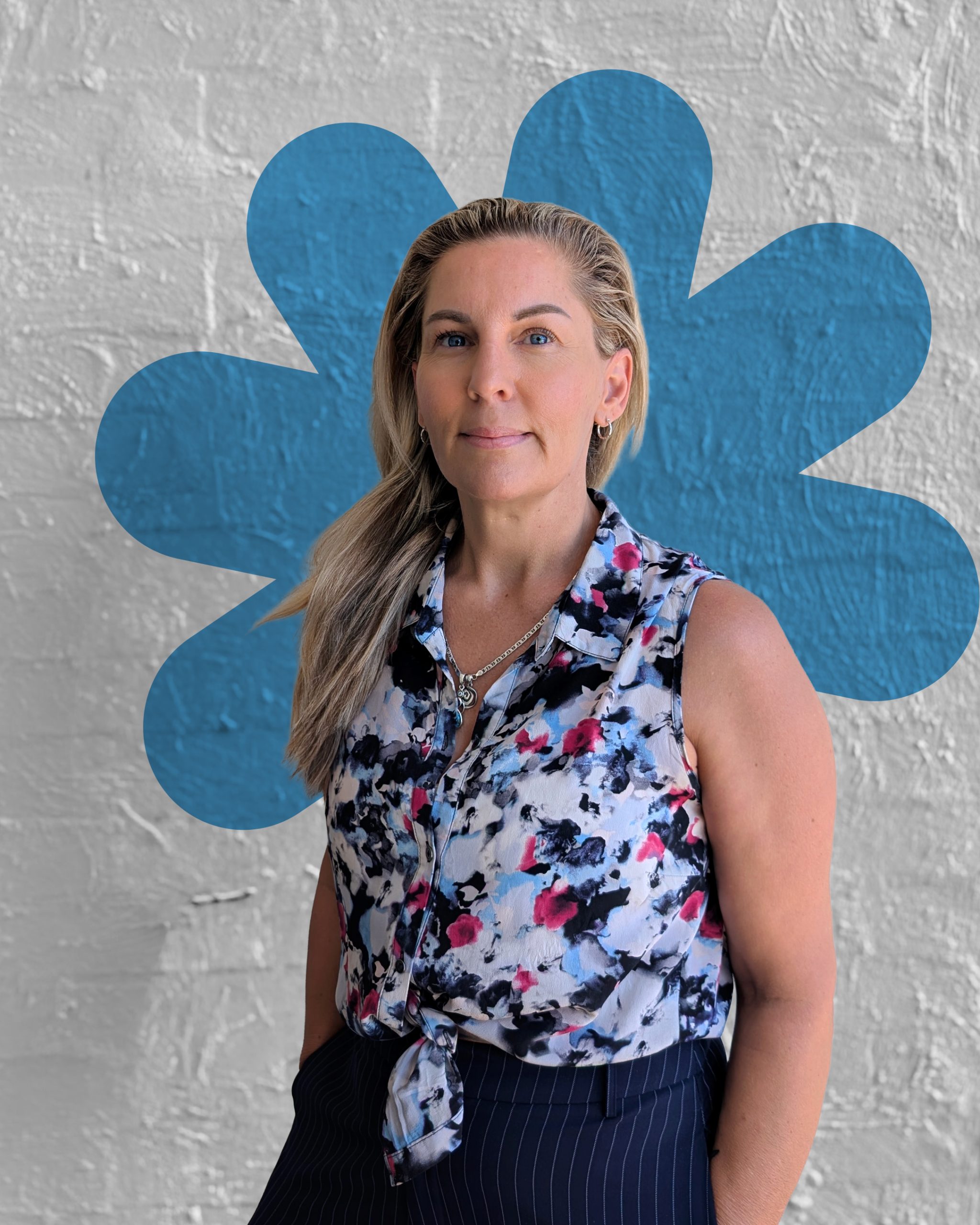
Meet your HCCWA Team: Clare

Our team works hard for the people of WA, we’re passionate about making a difference in the lives of West Aussies and working hard to make patients, carers, loved ones – all health consumers – are at the centre of our healthcare system to make healthcare fair.

We’d like you to meet Clare Mullen, Executive Director of HCCWA

How long have you worked at HCCWA

Since September 2018, so seven and a half years now.

What inspired you to work at HCCWA?

I had the chance to work on a project which led to setting up the Health Engagement Network. In the course of that work, I came to the realisation that the next wave of transformation in health and healthcare will be – and needs to be – consumer and community-led. When a job in the Engagement Team was advertised, I applied and was successful.

I’m so grateful that the founders of HCC – both consumer leaders and community members, as well as the politicians and public servants of the day – recognised the need for, and committed to, establishing HCC as an independent voice for the community on all aspects of health and healthcare.

Describe what you do at HCCWA

I’m now privileged to be the Executive Director – in that role I take care of the organisation, making sure we have the resources to do what the community requires of us; I take care of the team, making sure everyone has the conditions and the support they need to do the great work they do with and alongside the community; and I play a part in championing and amplifying consumer perspectives on every aspect of health and healthcare. I also spend time building and nurturing relationships with consumer reps and leaders, as well as the many organisations and stakeholders that we work with to achieve a more compassionate, equitable and safe health system for all.

What do you think about HCCWA and the work we do?

I feel so lucky to work in an organisation where everyone works so hard and passionately every day to deliver better health outcomes and experiences for everyone across WA. I’m also inspired and energised by the efforts of the thousands of people in our community who show up to speak up for consumers on committees, working groups, as well as in clinics and hospitals to make sure that more people have a fairer and safe experience in WA health services.

I love the commitment to improving equity – that is, recognising that some people have a different experience in the health system because they either belong to a particular group, or have particular characteristics. Everyone at HCC is committed to making healthcare fair in WA.

How do you see your work helping to improve outcomes and experiences for everyone in WA?

At HCC we’re all working hard to make sure that consumer perspectives are heard in every room where decisions are made about health or healthcare. Be that in your appointment with a doctor where you’re deciding on a treatment plan, or at a Board meeting deciding on a health service’s budget, or informing statewide policy on safe high quality care.

Ever met anyone famous?

Yes! In one year I met Dr Patch Adams, Germaine Greer, and UK Prime Minister Tony Blair when I was organising a health conference in the UK. I was awestruck 🙂

When you need care, speaking up matters

Quick Read: Healthcare can move quickly. Information can be hard to process in the moment. Speaking up helps us understand our care, make informed decisions, and reduce risk.

When you need care, speaking up matters

Appointments are often short, information can come at us very quickly. It is a common feeling to leave an appointment and realise later there were questions we didn’t ask because we didn’t feel confident in the moment, we don’t want to be seen as being difficult or a bother. But speaking up is one of the most practical ways to protect our health.

Why active participation matters

When we ask questions, we improve our understanding of what is happening, and
clear understanding supports informed decision making. This is also known as self-advocacy.
Self-advocacy and being active and engaged in our care can be:

  • asking for the information in plain language, printed out or re-explained
  • checking what happens next in the sequence of care
  • raising concerns when something doesn’t feel right

Healthcare works best when we, the ‘healthcare consumers’, and our clinicians share information clearly and make decisions together.

This does not mean the responsibility sits only with us. Health services and clinicians also have a duty to communicate clearly, support informed decisions, and respond to concerns.

What self-advocacy can look like

Self-advocacy does not need to be confrontational, often it’s just simple, direct questions, such as:

  • What is this test for?
  • What are my options?
  • What happens next?
  • What side effects could this have?
  • Who do I contact if the symptoms change?
  • Can what is happening to me be explained another way?

Remember, it is also totally ok to bring a support person to an appointment if you need one. A family member, friend, or carer can help us remember information and ask follow-up questions.

Another practical step to make sure you understand everything is to repeat the information back for clarity. You can say something like:

“I want to check I understand. You are asking me to do X, then Y, then come back in two weeks. Is that correct?”

This is an easy way to reduce confusion and catch any misunderstandings early.

When to speak up and how to prepare

Speaking up can feel difficult, especially when we’re unwell or stressed, however it is important to speak up during an appointment or after an appointment when:

  • we don’t understand what we have been told
  • symptoms change or get worse
  • something does not seem right
  • we feel pressured to agree to something and we may not feel ready
  • we feel like we’re not being truly heard
  • we need an interpreter, support person, or more accessible information

Here are some easy actions for the next conversation with a doctor, physio, pharmacist or other healthcare professional:

  • Before an appointment write down the top three questions or concerns
  • During the appointment
    • ask for plain language if something is unclear ‘explain it like I’m 5’
    • take notes or bring someone to support you and help understand and remember the conversation
    • repeat back key information to check our understanding is correct
  • After an appointment
    • write down next steps, including tests, referrals, and follow-up dates
  • If something does not feel right:
    • raise it clearly and calmly
    • seek a second opinion if needed
    • contact a consumer advocacy or support service if you need system navigation

Self-advocacy matters aka stronger voices = better care!

Many of us have had to advocate for ourselves or someone we care for, this is common. We shouldn’t have to do everything alone; health services have responsibilities to ensure you understand what is happening and what your healthcare rights are.

Our voice remains one of the most effective tools in our healthcare. Speaking up helps us stay informed, reduce risk, and take part in decisions about our care.

ICYMI: Three Exciting Events Coming Up with Dr Margaret Faux! 

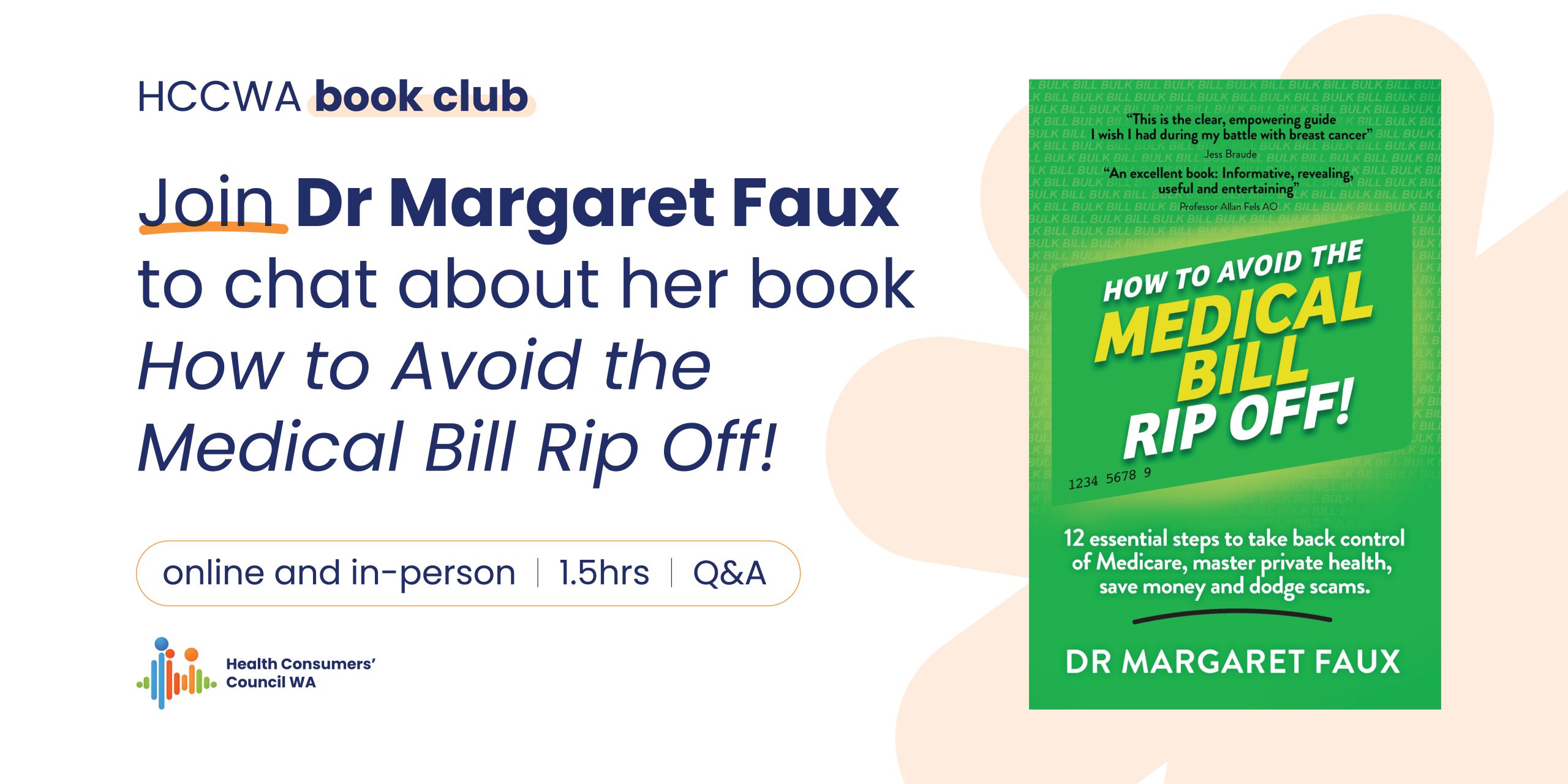
We’re excited to share that we have three special events coming up in April with Dr Margaret Faux, Australia’s leading expert in medical billing and author of the newly released How to Avoid the Medical Bill Rip Off

Book Club with Dr Margaret Faux – Tuesday 7 April 

Join us for a Q&A with Margaret, hear about her new publication, and learn more about the rules and realities of medical billing, Medicare charges, rebates, bulk billing and private specialist fees and more! 
 
Free – Find out more and register: https://events.humanitix.com/hccwa-book-club-how-to-avoid-the-medical-bill-rip-off 

Consumer SelfAdvocacy Workshop – Tuesday 7 April 

Margaret has also generously offered her time to run a workshop for our consumer network!  

This session will help consumers and carers increase their confidence in understanding all things medical billing, navigating Medicare, understanding private healthcare costs, and how to identify if Medicare has been billed for services that did not take place.  

This is a supportive, practical space to build skills for making informed decisions and asking clearer questions.  
 
Free – Find out more and register: https://events.humanitix.com/consumer-complaints-clinic-medical-billing-with-margaret-faux 

AND A SPECIAL ANNOUNCEMENT…… 

Workshop for Staff Supporting Consumers – Wednesday 8 April 

To complement our consumer workshop, we’re also hosting a specialised session for staff who support people with questions or concerns about healthcare costs and billing. 

Ideal for advocates, community workers and financial counsellors supporting people at risk of being overcharged, confused by fees, or facing unexpected medical bills. 
 
There is a $25 charge to assist with the costs of hosting this event; however, we don’t want cost to be an issue! Please email engagement@hconc.org.au if cost will be a barrier to attending.  

Find out more and register: https://events.humanitix.com/making-sense-of-medical-billing-insights-for-advocacy-professionals

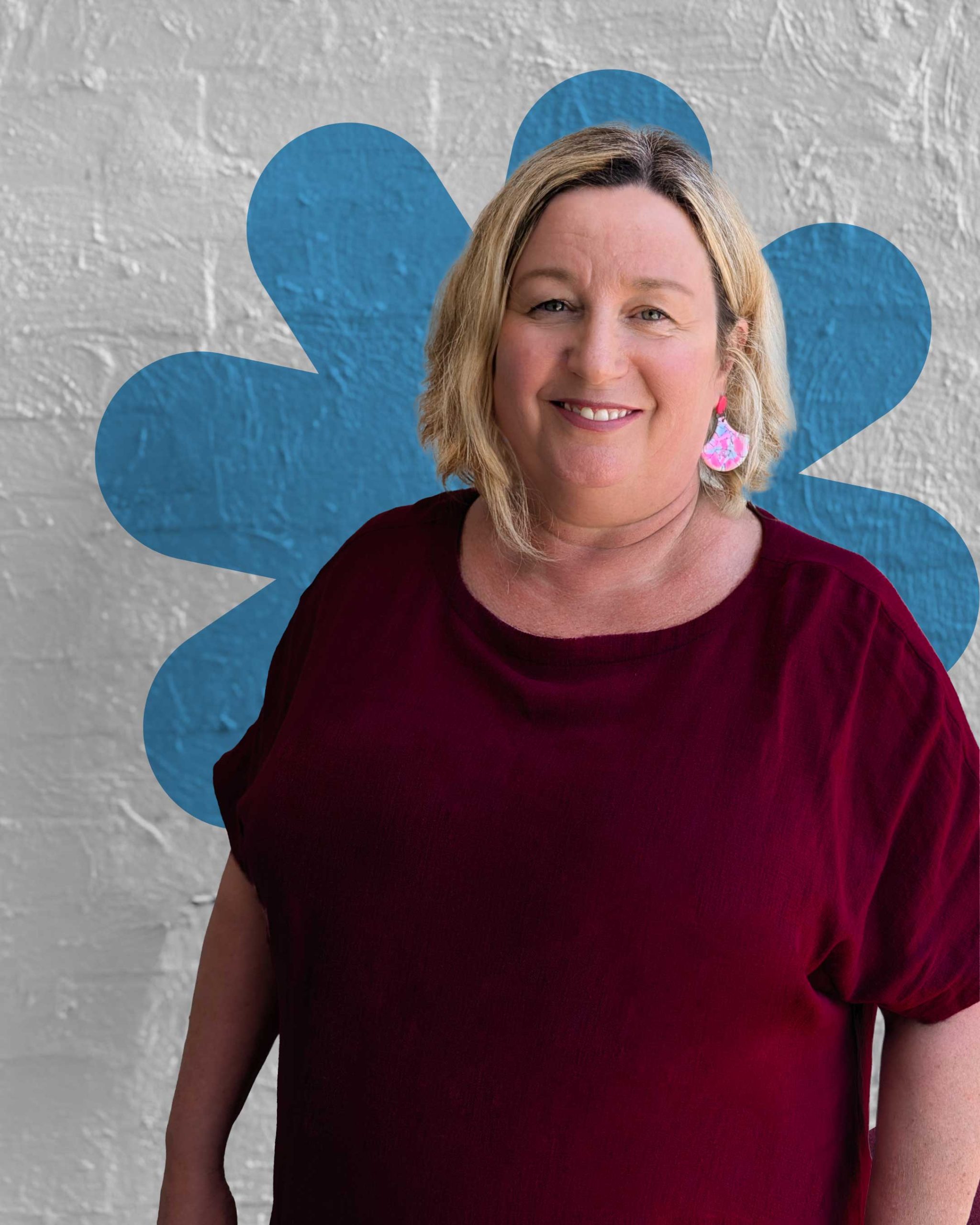
Meet your HCCWA Team: Kerrie

Our team works hard for the people of WA, we’re passionate about making a difference in the lives of West Aussies and working hard to make patients, carers, loved ones – all health consumers – are at the centre of our healthcare system to make healthcare fair.

We’d like you to meet Kerrie, Senior Advocate

How long have you worked at HCCWA

I started working at HCCWA in August, 2017.

What inspired you to work at HCCWA?

I spent a decade working in biological science within a hospital system, and while I valued the work, I felt drawn to a profession where I could support people more directly. After completing a Bachelor of Social Science (Counselling), I moved into counselling and worked in private practice, and for a charity organisation, passionate to be starting a new career working alongside people in human services.

When a part-time Advocate role became available at HSA, Advocacy—especially in health—felt like the perfect blend of my curiosity for health science and my commitment to helping others. I quickly realised this was where my skills and values truly aligned. The work has let me build strong, respectful relationships and has allowed me the privilege to advocate for fair outcomes for consumers. It’s an organisation grounded in justice for equitable health outcomes, and I am proud to make advocacy at HSA my sole focus over the years

Describe what you do at HCCWA

I am an Individual Advocate who supports consumers of the WA health system to ensure their rights under the Australian Charter of Healthcare Rights are upheld, their voices are heard, and barriers or inequities are addressed. I also guide and empower people to advocate for themselves by providing tailored advice, clear information, system navigation support, and appropriate referrals, while constructively reminding services of their person-centred care obligations when needed.

What do you think about HCCWA and the work we do?

HCCWA is a great place to work and we do, great work!! We play a vital role in paving the way towards a fair and equitable health care system in WA. At HCCWA, we believe this is something that can be brought about and we are working hard to achieve it.

There are no other services providing free, individual advocacy across the entire state health system and our scope is wide and varied. Our service is both unique and essential, and it has contributed to meaningful improvements in health outcomes for many of the consumers we’ve supported.

How do you see your work helping to improve outcomes and experiences for everyone in WA?

I see my role as an Individual Advocate as helping people understand their healthcare rights and how to confidently exercise them. Many have shared that they felt genuinely heard—sometimes for the first time. We prioritise a truly person-centred, pure-advocacy approach, taking the time to ensure each individual feels supported and respected. My aim is that each person leaves our service feeling more informed, empowered, and capable than when they first engaged with us.

Ever met anyone famous?

I had a great long chat with John Farnham over the phone, when I donated to telethon back in the late 80’s. Before that, my biggest brush with fame was meeting Fat Cat when I was presented with an award for the “Best decorated bike”!