



We really enjoyed reading this article this week Not “Just a GP”: The Paradox of the Specialist Generalist and thought our readers would enjoy it too. GPs are specialists who undertake training in General Practice after they have qualified as a medical practitioner and worked in the hospital system. Just like all other specialties, it requires specific training and on the job learning.
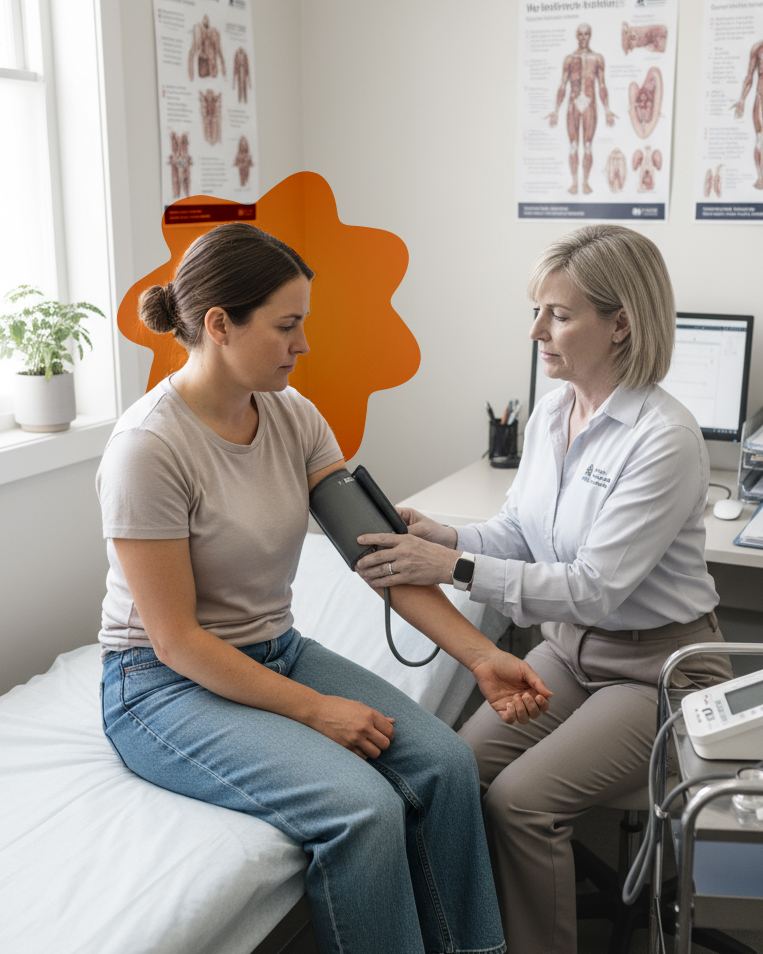
The provision of primary care is crucial to all consumers and having good GPs in our communities is essential for our wellbeing. We expect a GP to be able to tell us if a mole looks strange, if our runny nose and cough will clear up by the weekend, if our recurring Urinary Tract Infections are anything to worry about and if they think we should see a psychologist because we can’t find the same joy in every day life that we used to. They will see a baby who won’t stop coughing in one appointment, an elderly patient who is showing signs of confusion in the next, a teenager with a suspected broken arm, another teenager who has stopped eating and started self harming, then a woman struggling with perimenopause. This takes training, vast amounts of knowledge, compassion and excellent interpersonal skills. They’re not “Just a GP”, they are primary care specialists who are often the first person we open up to without concerns.