



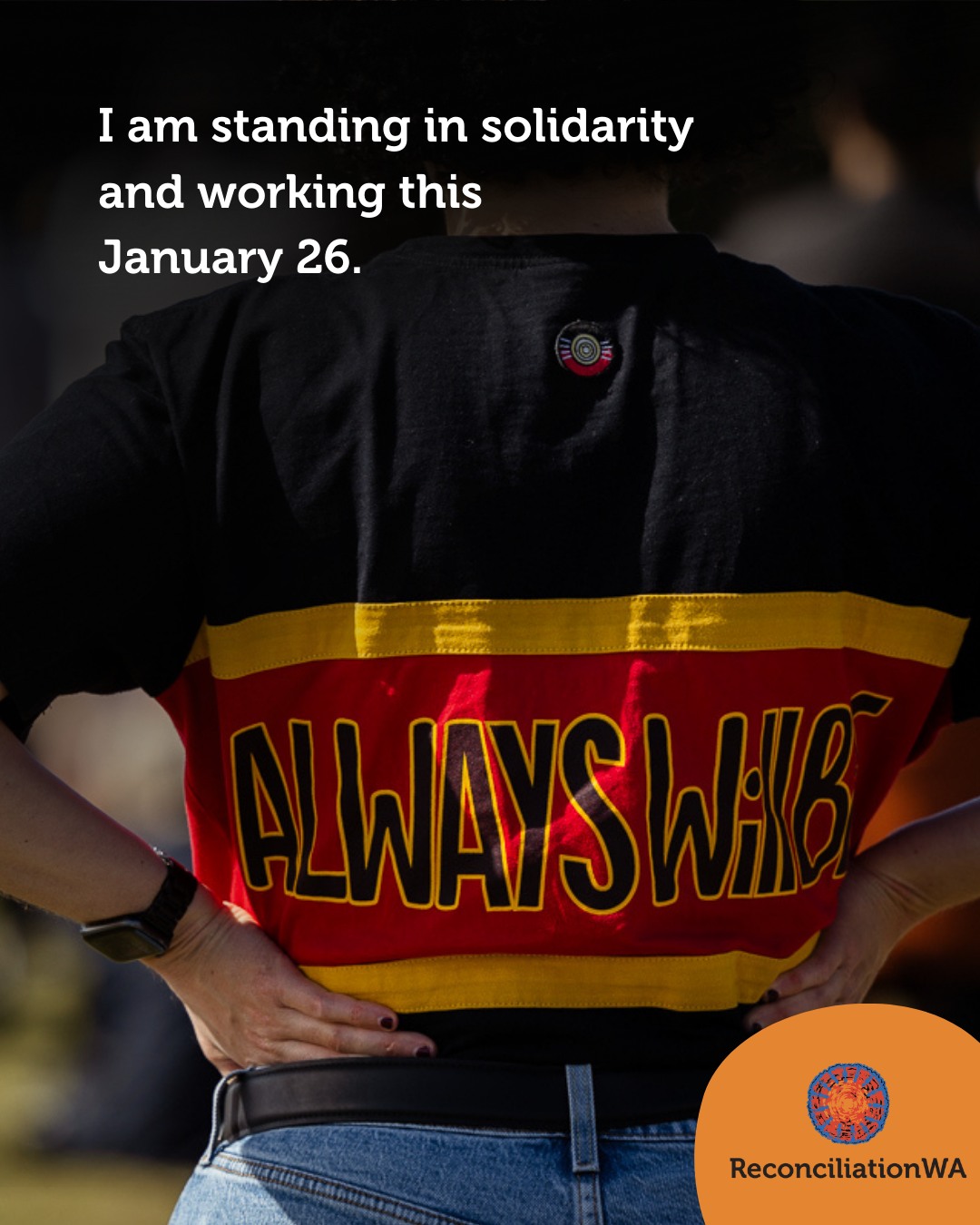
We will, as we have for many years, keep our office open on the Australia Day public holiday.
The current date of Australia Day carries different meanings for different people. For many Aboriginal and Torres Strait Islander peoples, January 26 marks invasion, dispossession, and ongoing harm. That harm still shapes health outcomes, trust in systems, and lived experience today. We recognise this reality and we choose to act in this small way and work on January 26.
On the Australia Day public holiday, our office remains open. Staff can choose to work and take another day off, or take the public holiday if they prefer. This approach has been in place for several years and staff feedback has been positive.
We make this choice as an act of solidarity.
We acknowledge Australia’s achievements; we count ourselves lucky to live, work and play here.
And so we know that two things can be true at once: gratitude for all there is to celebrate about Australia, including being the home of the world’s oldest living culture. And recognising the pain of being expected to celebrate on a day that marks dispossession and colonisation.
Our role as healthcare advocates
As advocates for health consumers and a fair healthcare system across Western Australia, we see every day the discrimination and exclusion that Aboriginal people experience in our health system. As an organisation that was established to provide a voice for the community on all aspects of health, we take our responsibility to support Aboriginal leadership and to listen and amplify Aboriginal voices on an issue that impacts the health and wellbeing of Aboriginal people.
Our decision about January 26 reflects our broader commitment to equity, cultural safety, and truth telling. It aligns with the work we do every day.
Why we talk about this publicly
We share this decision to encourage reflection and discussion. We believe organisations – particularly organisations grounded in lived experience can help to shape culture through everyday choices and actions.
This small act does not replace deeper action but sits alongside our advocacy, partnerships, and support for Aboriginal health consumers throughout the year.
Key dates and concepts for context
- Aboriginal and Torres Strait Islander peoples have lived on this continent for more than 65,000 years supported by current archaeological evidence.
- 1606. Dutch explorers recorded the first known European landfall.
- 1788. The British flag was raised at Sydney Cove on January 26.
- 1938. Aboriginal leaders marked January 26 as a Day of Mourning to protest dispossession and exclusion.
- 1988. Large-scale protests during the Bicentenary drew national attention to Aboriginal rights and land justice.
- 1994. January 26 became a national public holiday across all states and territories.
Something to think about on Australia day, wherever you may be, however you choose to mark the day, it always was, always will be Aboriginal land.