Search Results for: health information

Position statement – Roe vs Wade decision in the US

The Health Consumers’ Council of WA unequivocally stands for the rights of all people to access legal, safe, timely and compassionate abortion care as essential healthcare.

Today we join many people and organisations across Australia and add our signature to the Australia position statement on the Roe v Wade decision in the US published by Children by Choice.

We welcome the statement by the WA Minister for Health in support of reproductive rights and equitable access to abortion for women and people with uteruses across Australia. We support the WA safe access zone legislation that protects the rights of people accessing abortions to do so safely and free from harassment or intimidation.

However, we know that accessing free, high quality, comprehensive abortion care in WA can be difficult for some people. Factors including where someone lives, their financial situation, the availability of clear, accessible and culturally appropriate health information, and the availability and affordability of healthcare, can all impact on someone’s ability to access the care they need. We also know from MSI Australia that First Nations’ peoples, trans and gender diverse peoples, members of migrant and refugee communities, people on temporary visas, and people with disabilities can face additional barriers to abortion care that are further impacted by age, economic status, stigma and discrimination.

We will continue to speak up – alongside our partners in WA – for improved, ongoing, timely and affordable access to these vital health services for all.

Health Consumers’ Council WA provides advocacy support to people accessing health services in WA. See https://www.hconc.org.au/individual-advocacy/


Recordings

Here are links to recordings, talks and Q&A sessions.


Health Consumers’ Council 30th Anniversary

Digital Health Series – Electronic Medical Record

2025

2024

  • Data Security and Trust with an EMR
    The number one consumer issue. Watch an interview with Keith Donohoe (Consumer Advocate) and Robyn Gillies (Chief Medical Information Officer, EMR Royal Melbourne) about what data is captured in an EMR and why, how this information is managed and accessed, and what safeguards are often put in place to protect information from ‘bad agents’. You can watch the webinar replay here.
  • Interoperability – stitching our health system together. In March of 2024 we interviewed Harry Iles-Mann (Consumer Leader and Digital Health Expert) and Peter Sprivulis (Chief Clinical Information Officer, WA DoH). WA Health’s EMR Program is focused within WA hospital walls, and we are doing what we can to advocate for how a provider portal might connect with private hospitals, GPs, aged care facilities and others. Click here to read our blog summarising the issue, where you can find the webinar replay, a summary and a webinar transcript.
  • Data Use – who gets to use our data? How can we ensure our data is used appropriately and that it helps improve services? Our Consumer Charter expresses that we do want our data to be used to help improve health care for ourselves and others, but consent and transparency is important. At one of our meetings, we spoke to Giles Nunnis from WA Primary Health Alliance and Merilee Needham from South Metro Health on the topic of data in our hospitals and GP services. Unfortunately the video didn’t work, but you can read a summary here or read the full transcript here
  • Patient Portal – Click on this Patient Portal link to find out what a patient portal is, what we need to think about for WA’s EMR patient portal and watch the replay.
  • Standardisation – or rather “harmonisation” of the forms, which reflect the guidelines embedded in an EMR are  the “guard rails” within an EMR help keep us safe – but how might we contribute to these? We spoke with EMR Program member Sarah Pearson on this topic – you can watch the replay here or read the transcript here. This is the work we are seeking consumer involvement in 2026.
  • Patient Reported Outcome Measures or PROMS offer a real opportunity to drive patient centred care because they are an opportunity for us communicate how we are feeling as a whole person, how our quality of life is faring as we access health care services. Having PROMs as part of an EMR hugely improves their completion rate and therefore their potential. We interviewed We interviewed Dr Aron Chakera (SCGH Physician, Renal Specialist, Fellow of the RACP) and Dr Christine Georges (Senior Research Fellow, Professor of Surgery at Cabrini Health) to dig into the topic of how PROMs can be developed and implemented. You can watch the replay here or read the transcript here.
  • Implementation of an EMR – road bumps and opportunities – what do consumers need to think about? Health Care Consumers ACT staff members shared their experiences and insights on what they learned in relation to their EMR – the DHR as it is known in ACT, and we are keeping them in mind as we move forward in WA to implement ours. A summary of key learnings is available here.

Fireside Chats

Our Fireside Chat series gives you the chance to hear from medical experts and have your questions about COVID-19 answered.

Director of Clinical Services, Royal Perth Bentley Group, Area Director of Clinical Services, East Metropolitan Health Service and Professor of Medicine, University of Western Australia, Professor Grant Waterer and Manager

After very positive feedback from our first chat with Prof. Waterer, we asked him back to provide another clinical update including information on antivirals to treat COVID-19, second generation vaccines long COVID and the latest on testing for COVID-19.

Recorded on Monday 12 September  2022.

Click here to view the recording of Prof. Waterer.


Perth Children’s Hospital clinicians:

  • Dr Andrew Martin – Head of Department for Perth Children’s Hospital (PCH) General Paediatrics

  • Chris Blyth – Paediatric Infectious Diseases Physician at PCH and former Co-Chair of the Australian Technical Advisory Group on Immunisation

  • Dr Michael Baker – Head of Department for PCH Emergency Department

  • Dr Nick Gottardo – leading clinician in Haematology and Oncology

Top Perth Children’s Hospital discuss COVID and kids in the context of the current (Omicron) outbreak and take consumer questions on the topic.  Discussion includes current picture, vaccination, when to get help or present to the Emergency Department, COVID Care at Home and the Specialist Paediatric and Adolescent Remote Care (SPARC) service for very vulnerable children and COVID and immunocompromised children.

Click here to view the COVID and kids recording.

Director of Clinical Services, Royal Perth Bentley Group, Area Director of Clinical Services, East Metropolitan Health Service and Professor of Medicine, University of Western Australia, Professor Grant Waterer and Manager – Social Support, COVID Care Assistance Team (COVID CAT), Department of Health, Selena West.  

Professor Waterer provides a clinical update on COVID-19, as well as sharing his best tips on preparing for living with COVID, in the home and in the community. This will include advice on how to care for yourself, your family, or someone you care for, if you get COVID-19. 

Ms West provides an overview of COVIDCAT, the public health service designed to address the needs of people in the WA community who require additional support should they get COVID-19 or are required to isolate due to being a close contact.  Overview includes how service can help, who can access it, and how.

Recorded on Tuesday 8 March 2022.

Click here to view the recording of Prof. Waterer. Click here to view the recording of Ms West.


Assistant Director General, Clinical Strategy and Planning, Dr Robyn Lawrence

Dr Robyn Lawrence gives an overview of WA COVID Care at Home.  She also answers consumer questions on the new remote monitoring service for high risk COVID positive patients in their homes.

Recorded on 18 February 2022.

Click here to view the recording.


Incident Commander at the State Health Incident Coordination Centre, Dr Tudor Codreanu

Dr Tudor Codreanu, Incident Commander at the State Health Incident Coordination Centre at Department of Health, discussed WA’s readiness for the next stage of living with Covid-19. Dr Codreanu works alongside the Chief Health Officer and public health team in the State Health Incident Control Centre, providing advice and support around WA’s response to COVID-19. This session explored the next stage of living with COVID-19, WA’s readiness, how the system has or is preparing, how consumers can prepare, vaccination, variants, modelling and everything in between.

Recorded on 14 December 2021.

The recording of this session will be available soon. 


Co-Chair of the Australian Technical Advisory Group on Immunisation, Dr Chris Blyth

Dr Chris Blyth, clinical academic at Telethon Kids Institute and Co-Chair of the Australian Technical Advisory Group on Immunisation (ATAGI), Australia’s peak immunisation advisory group to Government answered consumer questions on the vaccine(s).  Dr Blyth was able to talk to some of the main side effects of concern and clearly explain some of ATAGI’s key considerations when deciding who is eligible for which vaccine and vaccine strategy.

Recorded on 5 August 2021.

Click here to view the recording.


Chief Health Officer, Andy Robertson

After a break from our Fireside Chats, we’re bringing the Q&A session back to talk to Chief Health Officer, Andy Robertson. WA’s hard borders are softening – now what?

Recorded on 18 December 2021.

Click here to view the recording.


Pathwest Chief Executive, Joe Boyle

For our sixth Fireside Chat we were joined by the Chief Executive of Pathwest, Joe Boyle.

We discussed COVID testing processes in WA and the role testing plays in ongoing vigilance in avoiding community spread.

Recorded on 27 August 2020


Click here to view the recording.


Director General of WA Health, Dr David Russell-Weisz

This was the second time the Director General of WA Health joined us for a Fireside chat, this time on Thursday 23rd July.

We discussed “COVID-19: What’s next for Western Australians”.

Recorded on 23 July 2020.

Click here to view the recording of this webinar (45m35s)


Aboriginal Health with Wendy Casey

This 45 minute session addressed questions about how the WA health system has prioritised responding rapidly to the risks posed to, and the needs of, Aboriginal communities in Western Australia during COVID-19. You can find some of the work reflected on this webpage. Also discussed was the Journey of Health and Wellbeing Video developed in partnership with WA Health, Danny Ford and Tim Muirhead as part of the cultural competency training work, Mary G’s Telehealth video, and the Aboriginal Health and Wellbeing Framework

Recorded on 25 June 2020.

Click here to view the recording of this webinar (41m30s)


Staying Well in a Pandemic, Dr Denise Sullivan

The third in our series of Fireside Chats was held on Thursday 11th June with Dr Denise Sullivan. It tackled your questions about how to minimise the risk of infection, how the impact of the pandemic is being tracked and preparation for recovery. It also explored what it’s been like for Public Health staff during this unprecedented time.

Recorded on 11 June 2020.

Click here to view the recording of this webinar (44m35s)


WA Health Assistant Director General, James Williamson

The second in our series of Fireside Chats was with James Williamson, WA Health Assistant Director General, Clinical Excellence Division. Health Consumers’ Council Executive Director Pip Brennan put your COVID-19 research-related questions to James Williamson in this informal, virtual event.

Recorded on 28 May 2020.

Click here to watch the video (58 minutes)


Director General of WA Health, Dr David Russell-Weisz

The first Fireside Chat was with the Director General of WA Health, Dr David Russell-Weisz.

Recorded on 14 May 2020.

Click here for the video replay of the event (55 minutes)


Other recordings

Audio Recording: Implementing Care Opinion in the health and social care sectors – lessons from Scotland 2021 Audio Recording – AGM Panel Discussion – Roger Cook, Zak Kirkup, Rachel Siewert 2020 How consumers shaped the Healthy Weight Action Plan and what’s next Consumer and carer Involvement in COVID-19 Research Engaging consumers, carers and community in primary care Engaging Consumers Carers and Community  in Advance Care Planning Choosing Wisely – reducing unnecessary tests and treatments


Past Diversity Dialogues

2021

Barriers and Enablers to CaLD population blood borne virus and sexually transmitted disease diagnosis and treatment

In partnership with the Community of Practice for Action on HIV and Mobility (CoPAHM) this panel discussion focused on the challenges around diagnosis and treatment of sexually transmitted infections (STIs) and blood-borne viruses (BBVs) in culturally and linguistically diverse (particularly migrant) populations.  The conversation touched on barriers such as language (including the challenge of using interpreters), low perception of risk, stigma and taboo and enablers mainly in the form of community peer led education programs as well as not generalising people from a CaLD background or certain continent plus universal testing.  You can read the report here and watch the recording hereYou can also see a summary of our 2021 sexual health events here.

Promoting sexual and reproductive health for CaLD youth 

Together with the Multicultural Youth Advisory Network of Western Australia (MYAN WA) we delivered a panel discussion on the unique challenges faced by youth from culturally and linguistically diverse (CaLD) backgrounds with a panel of largely lived experience speakers.  Youth and one professional speaker talked about gaining sex education and navigating access to contraception and reproductive health education and treatment in the backdrop of taboo, little to no education at home and diverse and often mixed cultural perspectives.  You can read the report here and also see a summary of our 2021 sexual health events here

2020

Exploring Challenges Around CaLD youth mental health

We partnered with Consumers’ of Mental Health WA (CoMHWA) on this event.  Our  panel discussed some of the complex and unique challenges faced by multicultural youth in Australia in regards to facing mental health issues and navigating diagnosis and treatment.  Some of the opportunities to overcome barriers were also explored with a panel of youth workers and youth with lived experience. Read the full report here.

Quality care from a physical distance: Delivering quality and culturally responsive telehealth services

This webinar was delivered in partnership with the  Digital Health Cooperative Research Centre.  The focus of this  webinar was delivering quality and culturally responsive telehealth services to people from culturally and linguistically diverse (CaLD) backgrounds, through the Covid-19 pandemic and beyond.  The panel was made up of advocates providing a lived experience perspective as well as health and interpreting professionals.  Note the clarifications of matters discussed below, read the report here and Watch the recording here.

Clarifications on matters around interpreters discussed in the webinar (correct at time of writing)

  • Free interpreting through TIS is available for GPs but not allied health professionals.
  • Video interpreting with TIS is now available.
  • GPs cannot charge for using an interpreter (there is no MBS item number).  If consultation time is extended, then it may be suitable to charge for a longer consultation if clinically justified.

2019

Creating Connections: Engaging effectively with Culturally and Linguistically Diverse (CaLD) community members in regional WA  

This diversity dialogue session was done in partnership with WA Country Health Services. It focused on the sharing of lived experiences in engaging cross-culturally to enhance the patient experience, including discussions of strategies in working cross-culturally. Read the full report here. 

2018

Delivering health information to people from CaLD background

This Diversity Dialogue forum was held in partnership with Department of Health’s Cultural Diversity Unit and Ishar Multicultural Women’s Services. The forum allowed us to gain insight around how community members access health information, seek various perspectives on useful health education materials, and explore effective ways of delivering health information. Read the full report here.

Difficult Conversations – Talking about Advance Care Planning (ACP) with people from culturally and linguistically diverse backgrounds

This Diversity Dialogue forum was conducted in collaboration with the Department of Health through the Health Networks Clinical Leadership and Reform, Clinical Excellence Division and the Cultural Diversity Unit, Public and Aboriginal Health Division. The panel of consumers and service providers have knowledge and experience in ACP and/or cultural understanding of their communities. Attendees had the opportunity to engage with the panel of Community Leaders, to share  thoughts and ideas and be part of the changes that will ensure difficult end of life conversations occur in a culturally sensitive and effective manner. Read the full report here.

The Use of Interpreters in healthcare settings

This session was a  joint venture between the Health Consumers’ Council (HCC) and the Multicultural Youth Advocacy Network WA (MYAN WA). The specific focus of the session was the use of interpreters in medical settings. The aim of the session was to bring health service providers, practitioners, youth and settlement sector workers and young people together to build knowledge and awareness and to develop strategies and recommendations on this topic. The first half of the forum included a panel of professionals that work in the area and young people who shared their knowledge and experiences on this topic. Read the full report here.

2017

What is equal opportunity & how does it support equity & diversity in healthcare provision?

This Diversity Dialogues explored ‘what does the inverse care law look like in Western Australia and how does it link with equal opportunity and equity?’ Attendees heard more about equity and diversity in healthcare and participated in discussions regarding this at the Diversity Dialogues Forum. Download the report here. 

2016

Effective mental health practices when working cross culturally

This Diversity Dialogues was held in partnership with Fremantle Hospital and focused on engaging with communities, the impact of funding and staffing cuts on service provision,  the ability to offer equitable service, how to be more inclusive of diversity in a mental health setting and how to create an environment that celebrates and welcomes diversity. Download the report here. 

2015

Diversity Dialogues | Developing a culturally aware hospital

This Diversity Dialogues was held in partnership with Fiona Stanley Hospital (FSH). FSH staff, healthcare and other service providers and health consumers attended this free forum to explore ways to develop hospital services and patient care strategies that respond to cultural diversity. The outcome of this forum was to formulate recommendations regarding best practice at FSH.  The panellists from a range of cultural backgrounds, shared their knowledge and experience around culturally aware practice, building culturally inclusive services and discussing the importance of cultural awareness in best practice. The forum was co-facilitated by Louise Ford, Consumer & Community Engagement Manager, HCC and Michelle John, Customer Liaison Service Manager, FSH.

A multicultural perspective on pregnancy, childbirth & postnatal care

This forum was held in partnership with Department of Nursing & Midwifery Education and Research at KEMH and was co-facilitated by Louise Ford (HCC) and Jenny Owen (Midwifery Educator – KEMH). This Diversity Dialogues forum was held to explore ways to work effectively with women and families, from CaLD backgrounds, throughout pregnancy, birth and postnatal care. There were opportunities to ask questions of the Panel members as well as networking. The Panel was made up of people from various cultural backgrounds shared their knowledge of beliefs and practices. Download the report here. 

2014

Cultural interpretations of, & thoughts around Mental Health

This Diversity Dialogues was presented in partnership with Community West.  This Diversity Dialogues focused on exploring concepts, cultural interpretations of and thoughts around mental health. The aim of the forum was to establish how these can be used to inform practice with regard to treatment, adherence to treatment and encouraging and supporting patient/client engagement, including those who have experienced torture/trauma i.e. refugees. Download the report here. 

Dementia

This Diversity Dialogues forum was in partnership with Alzheimer’s Australia WA  with a focus on dementia. It explored what dementia means in different cultures, including looking at beliefs and values around this condition and how people are treated culturally, medicinally, and by their family and community. Following the formal part of the forum a discussion took place about the impact of culture on people’s experiences as healthcare consumers/carers in WA. Download the report here. 

Men’s Health

This Diversity Dialogues forum focused on men’s access to healthcare e.g. are men from new and emerging communities accessing adequate health care, if not, why not; what are barriers for men accessing health care in WA, are men aware of services that are available to them? Download the report here. 

2013

Health, healthcare & culture

This Diversity Dialogues forum focused on barriers to healthcare for people from new and emerging communities. The forum was a Q and A session with Stan, Safi, Joansy and others. Download the report here. 


Position Statements

Health Consumers’ Council has created these position statements to communicate our position on key issues affecting people and communities in WA.

If you have any questions about our position on these issues, please contact us on 9221 3422 or info@hconc.org.au


The Health Consumers’ Council Management Committee have confirmed their support for the Voice to Parliament and constitutional recognition of Aboriginal and Torres Strait Islander peoples.

Read our full statement here.


We stand in solidarity with the Black Lives Matter movement.

Read our full statement here.


Abortion/Termination of Pregnancy

Abortion/termination of pregnancy is a procedure that should be prescribed and undertaken by a doctor in a medical setting according to accepted protocols where the health and well-being of the women is protected. Access to termination of pregnancy should be guaranteed by statute and available in state/public health facilities. HCC welcomes WA’s adoption of safe zones ensuring protesting outside abortion clinics will no longer be allowed. WA was the final Australian jurisdiction to adopt safe zones legislation, in August 2021.

See our 2022 position statement on Roe vs Wade here

See our 2022 position statement on WA’s Abortion Reform Consultation here

Emergency Departments

Emergency Departments need to have the capacity to meet internationally agreed benchmarks for assessing and managing patients in accordance with their clinical need. Hospital systems should allow for the prompt movement of patients out of ED when it has been determined that admission is required. Emergency Departments should not hold patients for lengthy periods, without access to the comfort of family and provision for basic human needs for food, drink, access to the toilet, bed-covering and some degree of privacy.

Pain and distress for patients, and worry for family and friends, may lead to some level of agitation and aggression. This needs to be managed with understanding and compassion.

Voluntary Assisted Dying

HCC welcomes the adoption of the Voluntary Assisted Dying Act, and has been following the implementation of this Act. Individual choice, expressed through Advanced Health Directives and appointed Enduring Guardians, is a vital aspect of care of the dying.

Health data bases

The Western Australian Department of Health holds extensive data bases of health information of WA citizens. The Health Consumer’s Council acknowledges the significant resource such data bases provide for researchers into health and health service planning, in turn providing government with solid data upon which to plan for the future and respond to areas of unmet need.

The Health Consumers’ Council is of the view that the holding of this information should be conditional on:

  • The disclosure to the public of the fact that these stores of health information exist
  • Proper and rigorous scrutiny of all requests for access to the data
  • The entitlement to opt out of inclusion in a data base
  • Strong penalties for misuse and optimal security protection for the data
  • The identification of all data and respect for an individual’s privacy

Vaccination

The Health Consumers’ Council accepts that vaccination is a public good that demands some inconvenience and possible discomfort and risk for individuals, including parents and children. Ideally, all vaccination programs must be found on voluntary enlistment from the public and good information, choice and affordability. Program aspects that feature coercion or penalties should be avoided. However we recognise that in the context of the COVID-19 pandemic, especially with the advent of the Delta variant, there has been a need to mandate vaccines for certain professions. Ideally aged care and disability support workers would have been prioritised to protect this vulnerable population. HCC also asserts that there should be no fault compensation readily available where there is reasonable evidence of an adverse consequence for a person who has participated in a state-sponsored vaccination program.

Industrial Action by Health Care Workers

Any industrial action by a health professional group likely to interfere with patient care will potentially compromise the safety and quality of that care. HCC insists it is the duty of health service managers, government and representatives of workers to tell the community honestly the extent of disruptions to patient care and to make recommendations for patients and families to follow to safeguard against possible errors and oversights due to industrial action. HCC rejects the general response of managers to declare there are no risks to patient safety where direct carers are involved in industrial action. HCC would assume the role of independent rapporteur to the community on the implications for patient care during episodes of industrial action.

Patients Assisted Travel Scheme

The provision of travel and transport options and accommodation for health care purposes is a government responsibility. It is the obligation of government, where private services, public transport or community services do not provide a transport solution, to make provision for consumer access to the means to attend medical appointments. The PATS program provides some cost relief for some health consumers outside the metropolitan area; however this subsidy scheme has limited application to the diversity of needs across the state. The PATS program needs to have the capacity to assist:

  • Private patients accessing health care funded by private insurance
  • With the seeking of second opinions
  • The exercise of choice where only one clinician is available
  • With meeting a greater degree of the real cost of travel and accommodation for health care

Private Health Insurance

The Health Consumer’s Council supports private health insurance as a public good that should distribute the burden of risk and cost across the community through the current community rating system (where individuals cannot have premiums set according to their level of individual risk).

The Health Consumers’ Council recognises the enormous amount of information held by insurance companies on performance of individual clinicians, facilities and procedures and supports great disclosure and use of this information for member and community benefit.

Public to private contracting of health services

The Health Consumers’ Council believes that consumers need accessible and safe services, regardless of how these are funded. When government contracts services to private, for-profit entities, consumers as citizens have an interest in knowing that these services are being operated in a safe and cost effective way. Cost effectiveness is important because wasted funds could pay for additional services. Safety is critical and requires particular contracting provisions to ensure good clinical governance of services run for government under contract. The Health Consumers’ Council is critical of health service contracting to private-for-profit entities where the standards of reporting and disclosure of error and harm are less than those required of state services. Government contract managers must address risks inherent in private for-profit contracting and make explicit arrangements to counter these.

Retention of Royal Perth Hospital (RPH)

HCC accepts there is both community support and opposition to the retention of RPH. The decision to retain RPH conflicts with considered and deliberative long-term planning for health services in the state. The community resources and workforce required to continue operation of RPH as a tertiary facility compete directly wit those needed for the southern tertiary hospital and all other critical areas of growth in Perth. HCC supports the reversal of the decision to retain RPH as a tertiary hospital and the scaling down of the facility to provide other discrete health care services including urgent care services, a CBD primary care service and possibly an elective surgery facility.

Consumer and Community Participation in Health and Medical Research

The Health Consumers’ Council is strongly committed to the active participation of consumers, carers and community members at all stages and every level of health and medical research.

‘As the end users of health and medical research, consumers can provide valuable input to decisions about research policies and practices. If such research is to continue to provide high quality outcomes, it is important that consumer and community involvement in research and its ongoing development is facilitated. This includes participation by consumers as partners in the development of research goals, questions, strategies, methodologies and information dissemination. Research methods and results that are open to informed public scrutiny, and debate also help to ensure the integrity of research and accountability to the community for the quality of the research. Consumer and community participation in research brings with it responsibilities for consumers, community members and researchers – the responsibility to be respectful of each other’s knowledge, to share information with each other about research issues, and to be open about potential interests in the outcomes of research (such as a consumer’s individual health or the researcher’s financial benefits from a funder). The shared responsibility of consumers, community members and researchers is to ensure that ethical requirements are met and that there is value to the research.’

National Health and Medical Research Council Consumer and Community Participation Resource December 2004 Adopted: February 2011

Resources

This page links you to key resources HCC have developed or partnered to develop.

HCC WA  eNews

Brochures

Blog

Recordings

Information about the WA Health System

Patient First

Care Opinion FAQs

My Health Record

Procedure Specific information Sheets

Self-managing your chronic condition

People living with disabilities (Empowering Consumers Living with a Disability)

Engagement in the Alcohol and Other Drugs Sector

My Baby WA Pregnancy App

Health Matters Magazine (discontinued Dec 2020)

Systemic Advocacy Report

Western Australia Health Systemic Advocacy October to December 2025

We acknowledge Aboriginal and Torres Strait Islander peoples and communities as the Traditional Custodians of the land we work on, specifically the Whadjuk people of the Noongar nation, and pay our respects to Elders past, present, and emerging. Australia always was and always will be Aboriginal land.

Health Consumers’ Council acknowledges the unique insights and strength of those who navigate the complexities of the health system as consumers and thank them for sharing their lived experience and wisdom to help make healthcare fair for everyone.

Contents

Introduction.. 4

Key meetings to promote consumer interests. 4

Submissions. 5

Land Development Inquiry.. 5

Private Health Consultations for Prison Patients. 6

Pregnancy Testing, Management of Pregnancy and Care of Residential Children Policy.. 6

Deaths in Custody Policy.. 7

Presentations. 8

Committees and forums we’ve attended this period.. 9

Key media.. 9

Introduction

Since 1994, Health Consumers’ Council WA has been advocating for the interests of the WA community, health consumers, patients carers, and families when it comes to health and healthcare. That work involves maintaining productive relationships with a wide range of people across health and social care so that consumer interests influence every level of decision making. Much of this work is done on a daily basis behind the scenes. We want to provide our members, friends and stakeholders with a regular update on how we’re amplifying and championing diverse consumer interests to help drive positive change.

This is a new publication for us, and we’d welcome feedback – what is helpful/interesting? What is not?! Let us know by emailing us at engagement@hconc.org.au

Key meetings to promote consumer interests

  • Met with the Network of Consumer Representatives across WA Health Services and discussed the systemic advocacy program with them
  • Attended the launch of the WA Council of Social Services (WACOSS) budget submission and AGM
  • Attended the launch of the Justice Through Our Eyes, 100 Voices for Change report
  • Met with WA Health Department staff to discuss consumer involvement in health infrastructure projects
  • Discussions with WA Health Senior staff on increasing access to individual advocacy
  • Met with WA Health to discuss the contracts in place around hospital parking costs
  • Discussed the refreshed Outpatients Strategy with Department of Health Staff
  • Attended the launch of the St John Ambulance Impact report
  • Attended two meetings with the team from Care Opinion while they were in Perth, and discussed an upcoming event
  • Met with Frank Paolino, member for Mt Lawley, to introduce HCCWA and our work
  • Met with Dan Bull, member for Bayswater, to introduce HCCWA and our work
  • Attended the Behind Bars Beyond Care panel event hosted by the WA Justice Association to hear stories of the prison health system and how it impacts the lives of incarcerated people
  • Attended the Joint Commissioning statewide forum, hosted by the Commonwealth Department of Health, WA Primary Health Alliance, the State Department of Health and the Aboriginal Health Council of WA to discuss opportunities for collaborative commissioning projects across the health sector
  • Quarterly meeting with the Director General of the Department of Health
  • Met with staff from the Department of Health to discuss progress on the consumer involvement on the new Women’s and Babies’ hospital. Raised the issue of affordable parking access among other things.
  • Met with the DOH staff member involved in the management of the state dialysis services contract to discuss contract KPIs and consumer concerns
  • Met with the CEO of the RRR Network – network of Regional, Rural and Remote women, to discuss shared interests and ensure they know how to promote regional interests through HCCWA’s work.

Submissions

Land Development Inquiry

WA Parliament

While this inquiry was initially inspired by the public response to building the motor racing track at Burswood Park, the Terms of Reference were broad and included the ability to discuss planning laws broadly. We’re always on the lookout for opportunities to raise community concerns with key decision-makers, so we grabbed this chance to talk about Fast Food restaurants in planning laws.

We shared the following:

  • Currently there is no consistency in planning laws around the classification of fast food restaurants. Some Local Governments classify them as a “restaurant” while others classify them as “takeaway facility with drive through”.
  • Having a separate category for fast food/junk food venues would allow Local Governments to prevent fast food vendors from operating in certain areas, such as near primary schools.
  • The current categorisation as “restaurant” means that in some locations there are fast food establishments close to schools and close to other restaurants that offer fresh and healthier food options that may be more expensive than fast food.
  • This contributes to children being exposed to fast food advertising, and research tells us that children are heavily influenced in this way, and that exposure to fast food establishments and advertising contribute to unhealthy eating and rising obesity rates.
  • Having a category in planning law specifically for fast food establishments would provide Local Governments with the statutory framework they need to ensure that these establishments are only approved in more appropriate areas, away from schools and away from healthier food options.

Private Health Consultations for Prison Patients

Department of Justice

The Department of Justice Clinical Governance Advisory Group considers policies within the justice system that relate to health care. This policy allows for prisoners to make private Medicare appointments in some circumstances where the services that they require are not available to them in the prison system. The policy focused heavily on the practicalities of making appointments and transporting patients to and from those appointments. We felt that there were some gaps in the policy that needed to be clearer.

We shared the following:

  • There was no indication of what criteria are used when approving requests for private appointments. We recommended that these be clearly stated.
  • There was no clarity around the sort of appointments that might be sought by patients. For example, there might be circumstances where an appointment is available in the justice system but the patient would prefer a specific practitioner, and is able to pay for such an appointment. We asked that the policy make it clear on whether these private appointments do allow patient choice or if they are only to be used for services that are clinically necessary but unavailable in the justice system.
  • We also asked for clarity on what happens when a patient needs treatment that is not available in the justice system but is unable to afford a private appointment.
  • There was no information in the policy about patients appealing a decision made under that policy. We argued that this should be included.

Pregnancy Testing, Management of Pregnancy and Care of Residential Children Policy

Department of Justice

This matter came to our attention when we attended a forum on healthcare in the prison system. We heard a social worker speak who told us that when women who are in the justice system deliver babies who are either pre term or need special care for other reason, they are then separated from those babies for extended periods of time once the mother is well enough to be discharged. The baby remains in the care of the hospital while the mother returns to the prison system and the capacity for the baby and mother to spend time together is heavily restricted. This is a human rights issue, and also surprising in the context of the recent focus on the first 1000 days of the life of a baby.  This policy was not yet scheduled for review by the committee, but we asked to provide some thoughts.

We shared:

  • The current policy that covers pregnancy is missing any information on what happens immediately after the birth of the baby
  • The policy seems to assume that the baby will be well enough to be discharged at the same time as the mother, but even then there is no information given about the expected procedures to follow with where the mother and baby will be accommodated.
  • We asked what arrangements are able to be made and what policy considerations can be put in place for a mother and baby to spend crucial time together when the mother is well enough to be discharged but the baby is not.
  • There are studies that confirm that women in the prison system are more likely to give birth to pre term babies, due to a combination of factors. Given that pre term birth is a specific risk for the population served by this policy, it is important that the policy addressed those circumstances.
  • We also noted that the policy is silent on high risk pregnancies, such as those where a mother needs to on extended bed rest or is at an elevated risk of pre eclampsia.

Deaths in Custody Policy

Department of Justice

The Department of Justice shared their Deaths in Custody policy for feedback. This policy was mostly focused on managing the scene following a death in custody.

We shared:

  • That such a policy should also include information about informing and supporting families following a death in custody
  • We asked if the partner policy which applied to Youth Detention Centres, which we had not viewed, was the policy that covered Unit 18 at Casuarina Prison as well.
  • The policy has a section on what occurs when a patient dies outside of a custodial facility. We asked if this section could also include information about how it is determined if the patient’s status as a prisoner had contributed to their death – for example were restraints used that may have meant that their experience was different to the experience of a patient who is not a prisoner.
  • The policy did not elaborate on the training, resources, capacity and medication available to staff to undertake a full resuscitation, so we were unable to learn from the policy if staff are able to resuscitate a patient or rather continue to provide CPR until an ambulance arrives.

Presentations

The McCusker Centre for Citizenship at UWA runs a program where students undertake internships with organisations as part of a their university studies. We have hosted a number of McCusker interns who have undertaken a variety of projects for us. We were invited to sit on a panel at a McCusker Alumni event to talk about the health system in WA. This was a great opportunity to speak to students who were mostly studying degrees in health and to help them understand the health sector through a consumer lens. We discussed workforce issues in rural and remote areas, health rights, preventative health and programs that help people stay well, in their communities and out of hospital. We talked about how your postcode can influence how healthy you are and how long you live. For some of these students this was a whole new experience and a new lens through which to understand their chosen field of study.

Committees and forums we’ve attended this period

  • Monthly meetings with Systemic Health Advisory Collective – a group of systemic health and policy staff from WA Based consumer organisations in the Mental Health space.
  • Monthly Fair Food WA https://www.wacoss.org.au/projects/fair-food-wa/
  • Dental Workforce working group
  • Goals of patient care working group
  • State Oral Health Advisory Group
  • Consumer Health Forum members policy network
  • Collaborative Commissioning Project – looking at opportunities to connect commissioning between Federal and State Governments
  • Patient Related Outcome Measures (PROMs) and Patient Related Experience Measures (PREMs) working group
  • Attended the Preventative Health and Positive Ageing Summit
  • WA Peaks Forum
  • WA Clinical Senate
  • The Australian New Zealand Obesity Society Conference
  • Workshop on General Practice Provision in Rural and Remote areas
  • WA Health Safety and Quality Summit
  • International Forum on Quality and Safety in Healthcare
  • WA Aged Care Collaboration Group     

Key media

  • Interview with Seven West media about the HaDSCO Annual Report data – highlighting the limitations of the health complaints process, and the role that independent advocates play to support consumers
  • Interview with Choice Magazine on issues around early release of superannuation and upfront payments for costly dental treatment
  • ABC Perth Radio and ABC news – interview on the State Government’s $1.5 billion investment in hospital infrastructure, welcoming the investment and reiterating the need for investment in preventative health.

For further information about this report please contact Health Consumers Council WA on 08 9221 3422 or info@hconc.og.au

Employment Opportunity | Systemic Advocacy Engagement Lead

Part-time to Dec 2026 with possible extension

Can you help us build a social movement in health?

Are you passionate about improving equity and participation in health? Do you love all types of data – including first person stories, other qualitative information and quantitative data – and are skilled at weaving these together to craft compelling cases for change that prompt action? Then this might be your perfect role.

Systemic Advocacy Engagement Lead, part-time (4 days/week), fixed term to December 2026 with the possibility of extension

At Health Consumers’ Council, we believe in people power. Through our engagement and partnerships work, we are building a social movement in health – where the people who use health and healthcare services, and the people who work in them, can work together to identify priorities for improvement and make positive and lasting change.

Health Consumers’ Council WA

Health Consumers’ Council WA (HCCWA) is an independent community-based organisation which was established in 1994, representing the consumer’s voice in health policy, planning, research, and service delivery. We stand for equitable, person-centred, quality healthcare and improved health outcomes and experiences for everyone in Western Australia.

About the role

This role reports to the Executive Director. You will work with people across the HCCWA team who work on Aboriginal engagement, cultural diversity engagement, consumer representation and consultation, and individual advocacy.

This role is 0.8 FTE (4 days or 22.5 hours/week) based in our offices in Mount Lawley with the possibility of working from home for up to 50% of the time.

The role is initially offered to the end of December 2026, with the possibility of extension subject to funding.

The role offers

  • The opportunity to ensure diverse consumer perspectives are represented at the highest levels of decision making in health
  • The opportunity to work on a wide range of projects and with people from a wide range of backgrounds
  • The opportunity to be part of a consumer-first organisation with a focus on improving health equity and championing health rights
  • A friendly and supportive team that’s making a tangible difference in the community
  • A competitive not-for-profit annual base salary – Level 6 Social Community Home care and Disability Award $55.72/hour + super
  • Salary packaging up to $15,900 per annum
  • Flexible working with the opportunity to work from home up to 50% of the time when settled in to the role

About you

  • You’re looking for a role where you can apply your strong analysis and writing skills to advance social justice
  • You’re interested in the health system and care about people’s experiences of it
  • You’re comfortable advocating for diverse consumer perspectives to senior decision makers – and just as happy to roll your sleeves up and tidy up after an event along with your colleagues

What you’ll be doing

This position synthesises consumer insights and other literature and evidence to write submissions to public consultations and respond to opportunities to promote HCC’s systemic advocacy agenda as they arise. You will gather insights from health consumers, carers, community members and people with lived experience to inform and create submissions and engaging informative content that is distributed across a number of platforms including social media, email, web and online and hard copy publications and materials. You will also participate in a number of high level committees across WA Health representing diverse consumer views.

A typical week might see you:

  • Hosting a focus group with consumers on a specific topic to inform HCC’s submission to a national consultation
  • Preparing a submission to a Parliamentary enquiry
  • Attending a number of Project Control Group meetings for high profile systemwide reform programs ensuring that diverse consumer perspectives are represented and understood
  • Collecting and reviewing a wide range of information – including first person stories, government policies and publications, social media content, data relating to HCC’s individual advocacy and engagement activities – and using this to produce reports using everyday language, for consumers and community members
  • Updating the HCC website to inform our members and others about our systemic advocacy activities
  • Staying across current issues relating to health and social care, ensuring timely and evidence-based position papers and information is available as needed
  • Meeting with counterparts in other health consumer advocacy groups to collaborate for maximum impact

See the job description for a full outline of responsibilities for the role.

What you’ll need to succeed in this role

Essential 

  1. 3+ years’ experience in a similar role
  2. Well-developed analytical skills including the ability to work with and analyse quantitative and qualitative data and present these in a format that is accessible to non-expert audiences
  3. Excellent English literacy, writing, editing and proofing skills, able to succinctly and quickly synthesise and present a wide range of information on systemic advocacy issues for a range of audiences including formal policy submissions
  4. Ability to quickly synthesise information from a range of sources into accessible engaging content for a range of media including but not limited to social media, media releases, blogs, briefings and articles
  5. Knowledge of the Australian health and health system context including the levers for change
  6. A belief in the importance of the role of health consumers as partners in the planning, design, monitoring and evaluation of health services
  7. Able to confidently and effectively express a diverse range of consumer perspectives in a range of settings including in meetings with senior decision makers, public forums and in written form
  8. Able to use a range of software programs including (but not limited to) WordPress, Canva (or other graphic design program), Survey Monkey, Mailchimp, Zoom and Microsoft Office (or the ability to quickly become proficient in these)
  9. Experience in organising meetings, workshops or events to gather feedback and insights from consumers and other stakeholders
  10. Collaborative working style with an ability and willingness to muck in with other team activities as required
  11. The ability to work autonomously and within deadlines, including managing a number of projects at the same time
  12. Proactive, reliable and flexible attitude and comfortable working in a fast-paced adaptive environment

 Desirable

  1. Strong networks in political circles
  2. Experience in campaigning on social issues

But if you have other skills and experience that you think makes you a great fit for this role, please tell about those too!

Diversity and inclusion

At Health Consumers’ Council we know that strength comes from diverse perspectives being at the table. We particularly encourage applications from Aboriginal and Torres Strait Islander people, people from culturally diverse backgrounds and identities, and people with disability.

To apply for the position

Send a cover letter of no more than two pages addressing the selection criteria in the job description, along with a current resume outlining your work experience, skills and any relevant education or training to jobs@hconc.org.au. Applications that do not address the criteria may not be considered.

  • The closing date for applications is 8am on Thursday 29 January 2026

But, we will be assessing applications as they come in and reserve the right to appoint before this deadline, so if this is your dream job, submit your application promptly

If you require any adjustments to submit your application or wish to have a confidential discussion about the role, please contact Clare Mullen, Executive Director on (08) 9221 3422 or email ceo@hconc.org.au

Culturally informed cancer resources in six languages

Videos and factsheets for every stage of the cancer journey

Cancer Council WA and Health Consumers’ Council WA collaborated with consumer advisory groups to co design culturally informed cancer resources across six languages. These resources support people at five stages of a cancer journey, each stage includes a short video and a factsheet.

Purpose of the resources

The resources aim to support people after a cancer diagnosis. They provide clear and evidence based information for people who do not speak English as a first language. The goal is to help multicultural communities in Western Australia understand their options and take part in decisions about their care. This supports fair access to cancer services across the state.

How the content was developed

A consumer advisory group guided the content. Members spoke six languages as their first language. Each member had lived experience of cancer or had cared for someone with cancer. They reviewed early drafts and helped shape the final versions.

Cancer Council WA staff led the project alongside Nadeen Laljee-Curran, HCCWA’s Cultural Diversity Engagement Lead. The team worked closely with the advisory group to make sure the resources were useful and culturally appropriate. This covered language choices, topics and images.

A second advisory group provided further input. This group included medical specialists, CaLD community organisations and consumers.

Commitment to CaLD communities

All language versions were released at the same time and CaLD consumers were involved from the start. Their input shaped each stage of the content development, and aimed to ensure the resources reflected the needs of diverse communities in Western Australia.

Partnership and funding

The resources were developed by Cancer Council WA and Health Consumers Council. The WA Department of Health funded the work.

Arabic | العربية | Finding out about having cancer: diagnosis – التعرُّف على الإصابة بالسرطان: التشخيص

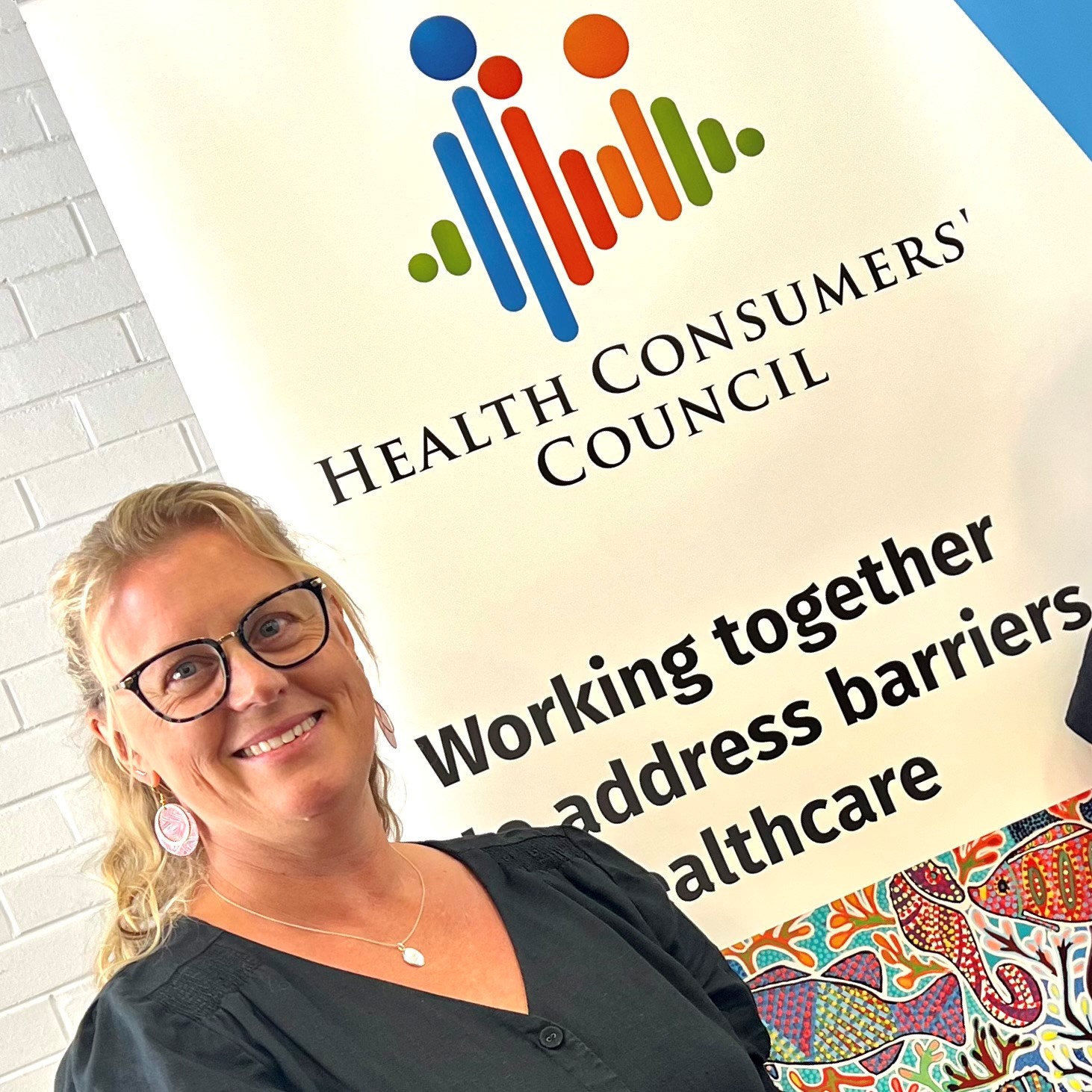
Meet your HCCWA team: Jen Rawson

Our team works hard for the people of WA, we’re passionate about making a difference in the lives of West Aussies and working hard to make patients, carers, loved ones – all health consumers – are at the centre of our healthcare system to make healthcare fair.

We’d like you to meet Jen, Information and Advocacy Officer – Individual Advocacy.

How long have you worked at HCCWA

I completed my placement at HCCWA in 2023 and have been employed since late 2023

What inspired you to work at HCCWA?

While I was on my final social work placement, I found that HCCWA aligned well with my personal and professional values of social justice, fairness and respect for persons. I was attracted by the passionate and caring team environment and feel extremely grateful to have been offered employment when my placement ended.

Describe what you do at HCCWA

I work in the individual advocacy team. My role is to provide advocacy to people who are experiencing an issue, inequity or barrier in the WA health system by supporting them to exercise their rights. I also work to amplify consumer voices to ensure their wishes and experiences are heard and respected. This can involve providing information or self-advocacy resources, supporting people to navigate the complaints process, writing letters on their behalf or attending appointments to undertake specific advocacy actions.

What do you think about HCCWA and the work we do?

I think that HCCWA is a passionate and fierce defender of health rights and I’m proud to be a small part of that.

How do you see your work helping to improve outcomes and experiences for everyone in WA?

I hope that the work I do advocating for fairness and change for individuals leads to small lasting changes in approach and attitude from health care providers that will spill over to the next consumers accessing a service.

Ever met anyone famous?

A very long time ago I sold Georgie Parker an Easter egg when I worked at Darrell Lea!

Dental issues, quality and cost – update on advocacy Oct 2025

This year many of us have been shocked by news reports of consumers having paid up front for extensive and costly dental treatment (often implants) and then before the work is completed their practitioner has stopped practicing, died or been deregistered, leaving consumers out of pocket, in pain and with nowhere to turn.

Making this more devastating, a number of consumers have withdrawn a substantial sum of money from their superannuation to afford the up-front cost for treatment. With the treatment being left unfinished they are left high and dry, and out of pocket.

What we heard

When these issues came to our attention – raised by consumers directly to our individual advocacy service, and through the media coverage in The Sunday Times – we looked into what had gone wrong and we found:

  • High costs of dental treatment meaning people need to request access to their Super to help cover the cost
  • Practitioners requiring payment upfront but those payments not always being protected or returned to consumers if practitioners are unable to complete the work
  • The system that’s supposed to protect consumers having a number of gaps:
    • Predatory advertising of costly dental treatment and encouragement to access Super without financial advice being promoted via social media with highly emotive imagery
    • Limitations of information being provided to consumers to enable them to make truly informed consent and being clear about the future impact of accessing Super to pay for treatment
    • The request for Compassionate Release of Super being signed off by the same health practitioner who will be benefit financially from that request. In many cases, this may not be a cause for concern. However, it allows for unscrupulous practitioners to encourage the transfer of funds from  someone’s future financial security, to their own income with little/few checks and balances to ensure fully informed consent.
  • Quality issues – people paying for expensive treatment and then learning their treatment was not of the expected standard
  • Practitioners with a history of concerning practice being able to continue to practice – and information not being available to consumers about past history

What we’ve done so far

It’s clear that the regulation and protection of consumer rights in the area of dental treatment is ripe for reform. Some of the gaps in protection for consumers will take a long time to resolve.

Having collected information about people’s experiences and identified the gaps in consumer protection, we’ve reached out to a number of the agencies that can play a role in addressing these. These include:

  • The Australian Health Practitioner Regulation Agency (AHPRA) and the Australian Dental Board
  • The WA Chief Dental Officer
  • The WA branch of the Australian Dental Association
  • The WA Commissioner for Consumer Protection
  • CHOICE, the national consumer advocacy group

We also reached out through our networks to find out about other consumer concerns on this area. Using that feedback, we’ve contributed to a number of media articles and raised consumer concerns regularly and consistently, as well as speaking up on consumer perspectives at this year’s Dental Board conference. We are making these points:

  • people making the decision to access Super to pay for dental treatment need to be provided with clear information about what they are paying – $10,000 today may actually be worth a lot more if it had been left to accumulate interest in your Super fund
  • if someone is paying up front for treatment, those funds should be held in a trust account – similar to when you pay a deposit for a rental property – that can’t be accessed by the health professional until the work has been completed
  • that regulators – like Ahpra – need to put the interests of consumers front and centre when designing and applying systems of regulation. And acknowledge that financial harm is a risk to consumers, and that regulation systems need to protect against that alongside health harm.

About compassionate release of super

The early release of superannuation – known as Compassionate Release of Super – is meant to only be used if other funding options such as savings or a loan are not available. It’s a last resort mechanism that’s in place to enable people to pay for  essential treatment that cannot be paid for any other way to:

  • treat a life-threatening illness or injury
  • alleviate acute or chronic pain
  • alleviate acute or chronic mental illness.

We are not arguing that the ability to access superannuation for compassionate reasons should cease. We are calling for some tighter checks and scrutiny to ensure that the release is only available when the treatment does meet the above criteria. And that consumers understand the full implications of accessing their funds this way.

The data that the Australian Tax Office provides is alarming.  A majority of superannuation released for compassionate grounds is being spent on medical care, with $1 billion released for medical treatment in 2023-24.

The largest category for medical release of superannuation is dentistry, with $526 million of the above $1 billion being released to pay for dental treatment. This has increased from $66 million in 2018-19, a nearly 700% increase in six years.

Many practices include references to accessing superannuation on their websites when they are referring to payment options. Some others mention accessing superannuation on the front page of their website and some even include it in their online advertising that is pushed as sponsored posts on social media and other websites. We have also seen the emergence of businesses who can complete your superannuation paperwork for you and help you access your super. These are not medical practices but rather an agency who charges patients to help them complete a fairly simple form, and can refer people to their “partner” practitioners if they are having a hard time getting a dentist to sign off on the release of superannuation.

We hope that the ATO can use their data to identify and track practitioners who are the recipients of a larger than usual proportion of superannuation releases and take appropriate actions to ensure that any unusual charging practices are closely scrutinised.

If you have concerns about the financial practices of a health practitioner, you can submit a notification to Ahpra at https://www.ahpra.gov.au/Notifications/Concerned-about-a-health-practitioner.aspx

Registration of practitioners who have a history of disciplinary issues

It became clear that one of the practitioners who had attracted media attention had previously been deregistered in another country. We have raised this with AHPRA as it was unclear to us how this practitioner came to be registered in Australia. While we were unable to obtain specific detail about an individual dentist we did have extensive discussions on this topic and are hopeful that AHPRA will in the future be approaching such registrations in a different way.

Where to next?

Sadly, many of the patients who have been left out of pocket with unfinished work by David Hurst are still stranded. We are aware that a class action has commenced and we hope that this process is helpful for those consumers.

We will be continuing our advocacy with the agencies outlined above to advocate for long-term systemic change. We will continue to share updates through our e-news.

If you have any comments on any of this, please reach out to us at info@hconc.org.au


Dental costs in WA. Consumer FAQ

Updated October 2025. Health Consumers’ Council WA.

Why are we talking about dental costs

Some people in WA paid large sums upfront for dental work. When a dentist stopped practising or was deregistered, the work was left unfinished. Patients lost money and often had health impacts.

Why do people use their superannuation for dental

Dental care is expensive. Many cannot afford it. Some dentists and third party services promote using superannuation as a payment option.

What is the risk

  • If treatment is not finished, your money may be lost.
  • Upfront payments are rarely protected.
  • Some dentists continue working despite past problems.
  • Advertising can be misleading about cost and outcomes.

How much superannuation is being used

In 2023 to 2024 Australians accessed 1 billion dollars through compassionate release of superannuation. Dentistry accounted for 526 million dollars, up from 66 million dollars in 2018 to 2019.

What should I do if I am considering dental work

  • Ask for a written cost estimate with item codes and timeframes.
  • Avoid paying the full cost upfront. Request staged payments.
  • Check the dentist’s registration on AHPRA and the Dental Board.
  • Be cautious of advertising that pushes superannuation access.
  • Contact HCCWA if you are unsure of your rights.

What is HCCWA doing

  • Collecting consumer stories and evidence.
  • Raising issues with AHPRA, the Dental Board, WA Chief Dental Officer, ADA WA, and Consumer Protection WA.
  • Partnering with consumer groups.
  • Pushing for protection of upfront payments and clearer disclosures.

Need advice

Contact Health Consumers’ Council WA. Visit hconc.org.au or call 08 9221 3422.